Gujarat rains: CM Bhupendra Patel reviews SEOC at midnight; 16,500+ evacuated
Synopsis
With red alerts forecast across 10 Gujarat districts, CM Bhupendra Patel skipped sleep to personally review disaster readiness at midnight — a signal of how seriously the state is treating this monsoon surge. Over 16,500 people have already been moved to safety, Army columns are pre-positioned in three cities, and IAF helicopters are on standby at four bases. Saturday will be the real test.
Key Takeaways
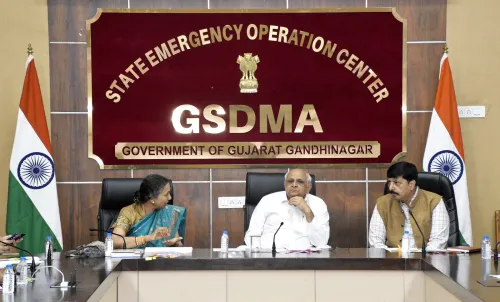
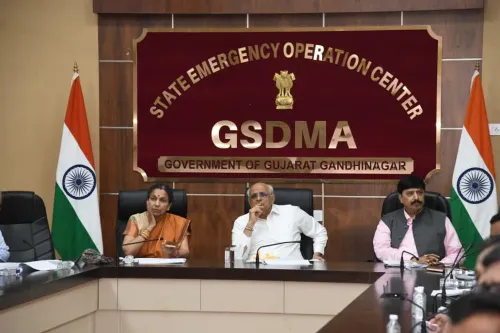
CM Bhupendra Patel made a surprise late-night visit to the SEOC in Gandhinagar on 31 July to review monsoon preparedness.
A red alert has been forecast for 10 districts of Gujarat for Saturday.
More than 16,500 residents have been evacuated from vulnerable areas as a precaution.
41 people have been rescued during weather-related incidents so far.
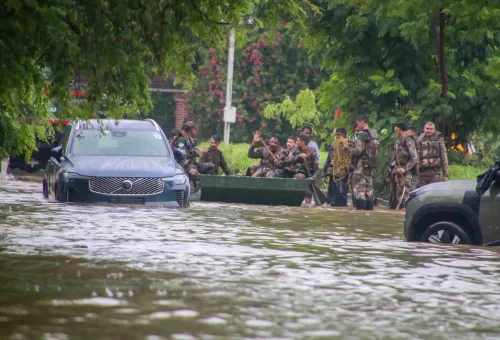
Two Army columns each are on standby in Ahmedabad , Navsari , and Surat ; IAF helicopters are ready at Jamnagar , Jodhpur , Vadodara , and Pune .
Rainfall was recorded in 201 talukas on Friday; Gujarat has received 61.5% of its seasonal rainfall.
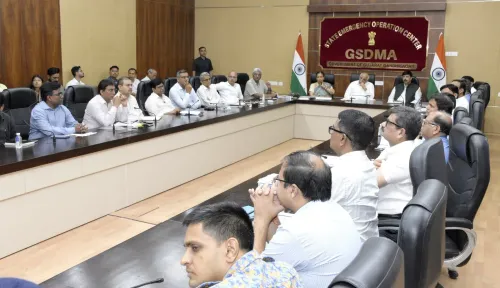
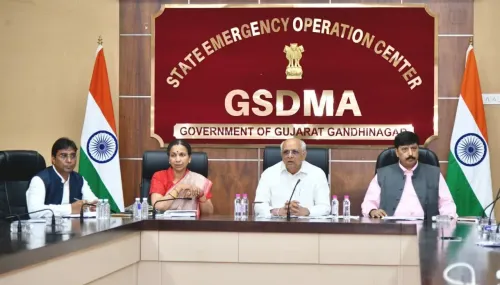
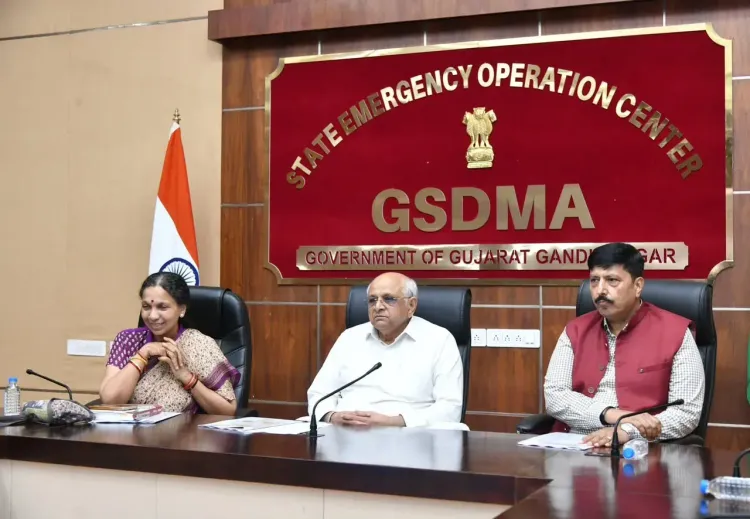
Gujarat Chief Minister Bhupendra Patel made a surprise late-night visit to the State Emergency Operations Centre (SEOC) in Gandhinagar on Friday, 31 July, as weather forecasts projected a red alert across 10 districts for Saturday. The visit came amid a rapidly intensifying monsoon system that had already prompted the evacuation of more than 16,500 residents from vulnerable areas across the state.
What the Review Covered
Chief Minister Patel assessed the rainfall situation district by district and directed collectors in the worst-affected areas to maintain round-the-clock vigilance ahead of forecast heavy to extremely heavy rainfall. He instructed all district administrations likely to face severe weather to ensure emergency arrangements remain fully operational.
Senior officials present at the late-night briefing included Chief Secretary M. K. Das, Additional Chief Secretary of the Revenue Department Dr Jayanti Ravi, Gujarat State Disaster Management Authority (GSDMA) CEO Dhaval Patel, and Relief Commissioner Gaurang Makwana.
Armed Forces on Standby
The state government has positioned two Army columns each on standby in Ahmedabad, Navsari, and Surat to support civil administration if conditions deteriorate. Indian Air Force helicopters have been kept ready at Jamnagar, Jodhpur, Vadodara, and Pune for rescue and relief operations should the situation escalate further.
Scale of the Monsoon Impact
Rainfall was recorded across 201 talukas in Gujarat on Friday alone, reflecting the breadth of the active monsoon system. A total of 41 people have been rescued during weather-related incidents so far. The state has received 61.5 per cent of its seasonal rainfall quota to date.
What Happens Next
Disaster response agencies, armed forces, and civil authorities remain on standby as the administration intensifies monitoring ahead of the forecast deterioration. With red-alert districts bracing for a difficult Saturday, the scale and speed of the government's response will be closely watched. All eyes are now on whether the pre-positioned resources prove sufficient as the monsoon system moves further inland.
Point of View
500-evacuation figure represents proactive planning or reactive scrambling, and whether the state's disaster infrastructure — built after the 2001 Bhuj earthquake — is being stress-tested in ways that reveal new gaps. With 61.5% of seasonal rainfall already received and red alerts still incoming, the coming 48 hours will determine whether this response was calibrated correctly.
NationPress
15 Sept 2026
Frequently Asked Questions
Why did Gujarat CM Bhupendra Patel visit the SEOC late at night on 31 July?
CM Bhupendra Patel visited the State Emergency Operations Centre in Gandhinagar late on Friday, 31 July, to personally review the state's disaster preparedness as forecasts indicated a red alert across 10 districts for Saturday. The visit was aimed at ensuring all emergency arrangements were in place ahead of forecast heavy to extremely heavy rainfall.
How many people have been evacuated in Gujarat due to the rains?
More than 16,500 residents have been evacuated from vulnerable areas to safer locations as a precautionary measure. An additional 41 people have been rescued during weather-related incidents across the state.
Which districts in Gujarat are under red alert?
Weather forecasts indicated the possibility of a red alert in 10 districts of Gujarat on Saturday, 1 August. The specific districts were not named in the official review, but collectors of the concerned areas were directed to remain on high alert.
What role are the Army and Indian Air Force playing in Gujarat's flood response?
Two Army columns each have been placed on standby in Ahmedabad, Navsari, and Surat to assist civil administration if required. Indian Air Force helicopters are on standby at Jamnagar, Jodhpur, Vadodara, and Pune for rescue and relief operations should the situation escalate.
How much rainfall has Gujarat received this monsoon season so far?
Gujarat has received 61.5 per cent of its seasonal rainfall quota as of 31 July. Rainfall was recorded across 201 talukas on Friday alone, reflecting the widespread impact of the active monsoon system.