Gujarat monsoon readiness reviewed at high-level meet in Gandhinagar
Synopsis
With heavy to very heavy rainfall forecast for parts of Gujarat, the state's top officials gathered at the SEOC in Gandhinagar to stress-test emergency plans — from regulated dam releases to electricity restoration within hours. The administration's self-imposed 'zero casualties' target now faces its first real test of the 2025 monsoon season.
Key Takeaways
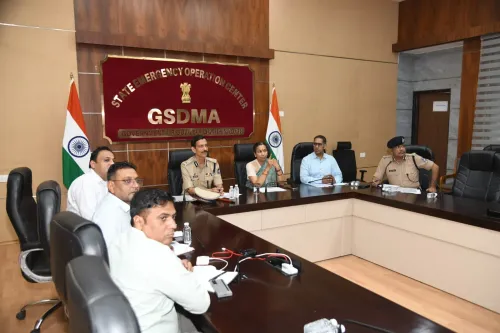
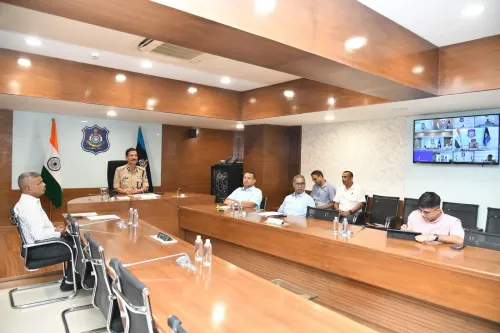
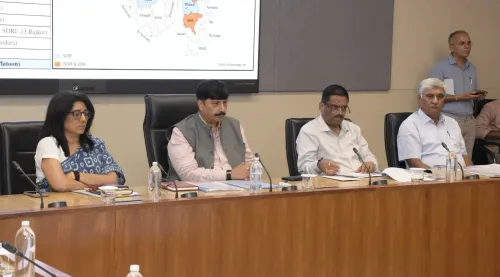
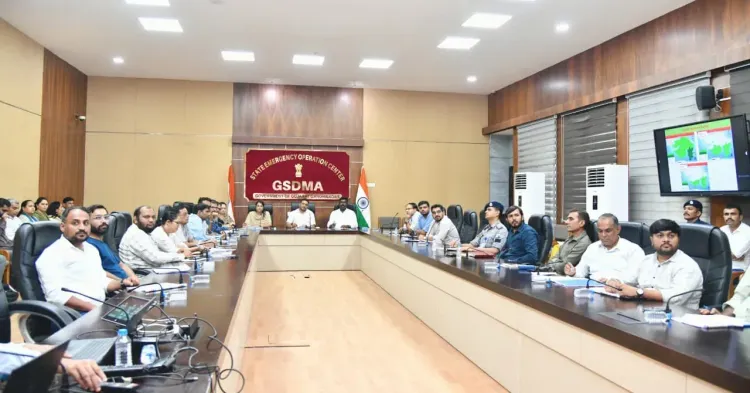
Relief Commissioner Subhash Savaliya chaired a Weather Watch Group review at the SEOC, Gandhinagar on 7 July .
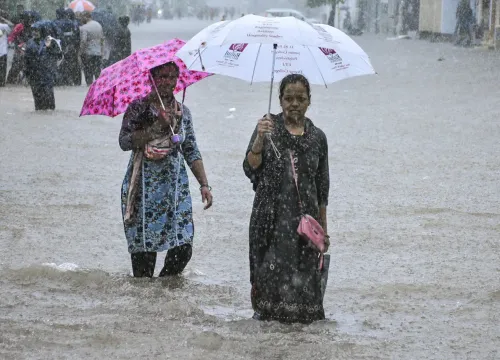
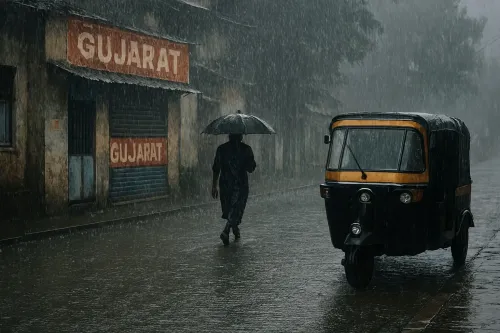
The IMD flagged the likelihood of heavy to very heavy rainfall across parts of Gujarat in the coming days.
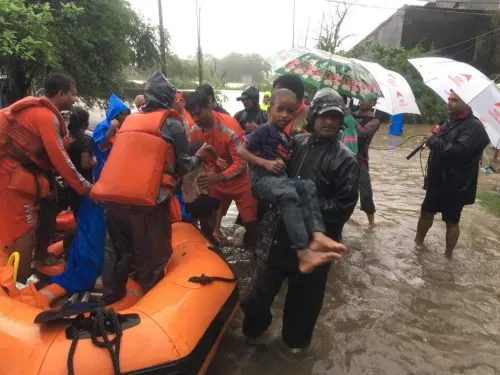
NDRF and SDRF teams are deployed with rescue equipment on standby for flood response.
The Water Resources and Irrigation Department has prepared advance plans for regulated dam and reservoir releases.
The Energy Department has committed to restoring electricity supply within hours of any weather-related disruption.
The state administration has reiterated a 'zero casualties' objective for the monsoon season.
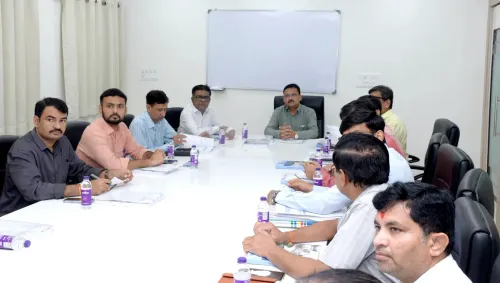
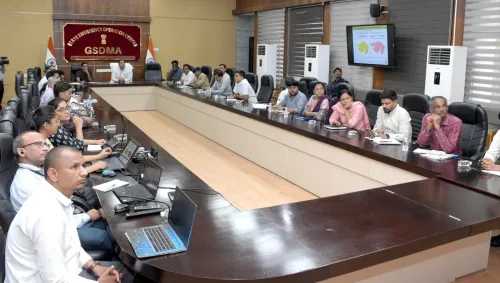
The Gujarat state government on Tuesday, 7 July convened a high-level meeting of the Weather Watch Group at the State Emergency Operation Centre (SEOC) in Gandhinagar to assess monsoon preparedness, as forecasts from the India Meteorological Department (IMD) flagged the likelihood of heavy to very heavy rainfall across parts of the state in the coming days.
Key Developments at the Review Meeting
The meeting was chaired by Relief Commissioner Subhash Savaliya, who directed all departments to maintain close inter-agency coordination and immediately notify the SEOC control room in the event of any emergency. The administration reiterated its stated objective of achieving 'zero casualties' during the monsoon season.
'The state government was continuously monitoring the evolving weather situation and taking necessary measures in line with forecasts issued by the India Meteorological Department,' Savaliya said.
Weather Forecast and Reservoir Status
Officials from the Meteorological Department presented satellite imagery and regional forecasts identifying zones at risk of heavy to very heavy rainfall. The Water Resources and Irrigation Department briefed participants on current water levels in reservoirs and dams statewide, and outlined advance planning for regulated water releases, along with alert mechanisms to be activated should reservoirs approach overflow levels.
NDRF, SDRF and Emergency Response Deployment
Representatives from the National Disaster Response Force (NDRF) and the State Disaster Response Force (SDRF) detailed team deployments and the operational readiness of rescue equipment to ensure a prompt response to floods or other monsoon-related emergencies. This comes amid a pattern of Gujarat facing significant flood events during peak monsoon months, making pre-season coordination reviews a critical annual exercise.
Contingency Plans Across Departments
The Roads and Buildings Department presented alternative routing arrangements in case roads are rendered inaccessible due to heavy rainfall, while the Energy Department outlined measures to restore electricity supply within hours of any weather-related disruption. Senior officials from the Health Department, Forest Department, Agriculture Department, and several other agencies also attended to align on the state's coordinated response strategy.
What Happens Next
With the IMD forecast pointing to intensifying rainfall over the coming days, all departments have been placed on heightened alert. The SEOC will serve as the central coordination hub, and regulated dam releases are expected to be managed proactively to prevent downstream flooding. The administration's focus on a zero-casualty target will be tested in the days ahead as the monsoon strengthens across Gujarat.
Point of View
But the 'zero casualties' target deserves scrutiny — the state has recorded significant flood fatalities in recent monsoon seasons despite similar preparedness pledges. The real measure of Tuesday's meeting will be whether inter-departmental coordination holds under real-time pressure, particularly around regulated dam releases, which have historically been delayed until reservoirs are already at risk of overflow. With the IMD flagging heavy rainfall imminently, the gap between planning and execution is about to be tested.
NationPress
6 Oct 2026
Frequently Asked Questions
Why did Gujarat hold a high-level monsoon review meeting on 7 July?
The Gujarat government convened the Weather Watch Group meeting at the SEOC in Gandhinagar on 7 July because the IMD forecast heavy to very heavy rainfall across parts of the state in the coming days. The review was aimed at ensuring all departments were coordinated and emergency response plans were in place before the anticipated rainfall intensified.
What is the State Emergency Operation Centre (SEOC) in Gandhinagar?
The SEOC is Gujarat's central command hub for disaster and emergency management, responsible for coordinating responses across all state departments during natural calamities such as floods and cyclones. It serves as the nodal point for real-time monitoring and inter-agency communication during monsoon emergencies.
What role are NDRF and SDRF playing in Gujarat's monsoon preparedness?
The National Disaster Response Force (NDRF) and State Disaster Response Force (SDRF) have deployed teams across the state with rescue equipment on standby to respond promptly to floods or other monsoon-related emergencies. Their deployment status and readiness were briefed at Tuesday's high-level meeting.
How is Gujarat managing the risk of dam and reservoir overflow?
The Water Resources and Irrigation Department has outlined advance plans for regulated water releases from dams and reservoirs, with alert mechanisms set to activate if water levels approach overflow thresholds. This proactive approach is intended to reduce the risk of sudden downstream flooding.
What is Gujarat's 'zero casualties' monsoon target?
The Gujarat administration has set a stated objective of achieving zero fatalities during the monsoon season, directing all departments to coordinate closely and report emergencies to the SEOC immediately. Relief Commissioner Subhash Savaliya reiterated this target at Tuesday's meeting as the benchmark for the state's emergency response performance.