Gujarat flood preparedness: Ishwarsinh Patel reviews reservoirs amid heavy rain
Synopsis
With heavy rain battering south and central Gujarat, Water Resources Minister Ishwarsinh Patel personally visited the Flood Control Cell in Gandhinagar, reviewed Ukai Dam inflows, and ordered district collectors to receive real-time High Alert notifications — signalling that the state is treating this monsoon season as a high-stakes test of its Disaster Management Plan-2026.
Key Takeaways
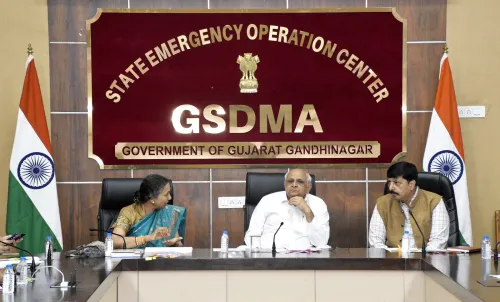
Minister Ishwarsinh Patel chaired a flood preparedness review at the State Water Data Centre, Gandhinagar on 28 July .
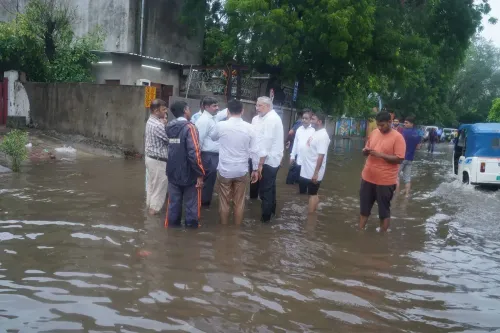
Heavy rainfall in south and central Gujarat has heightened reservoir inflow risks, prompting the review.
The state has 12 hotline connections , 14 satellite phones , and 413 wireless communication sets operational round the clock.
The Flood Control Cell operates from 1 June to 31 October annually as part of monsoon preparedness.
The Reservoir Data Management System provides real-time data via the Dams Warning Status and Rainfall platform.
Patel directly reviewed inflow and outflow at Ukai Dam via hotline and issued fresh instructions to local officials.
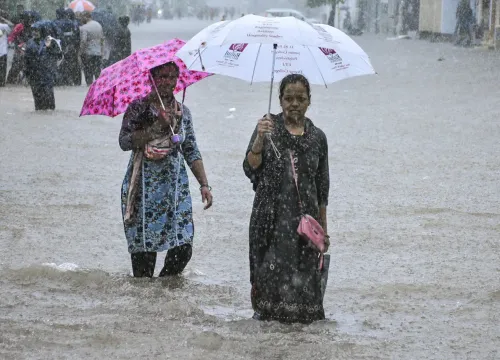
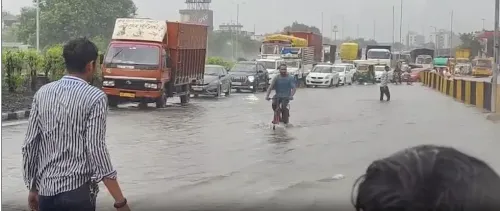
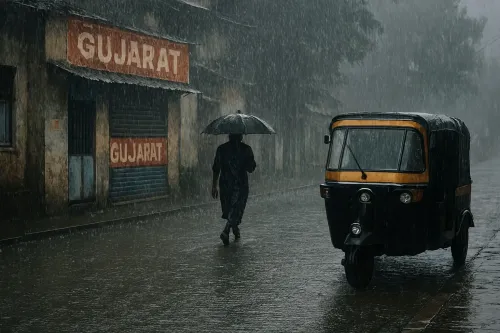
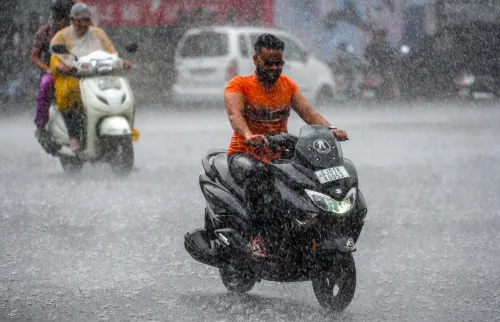
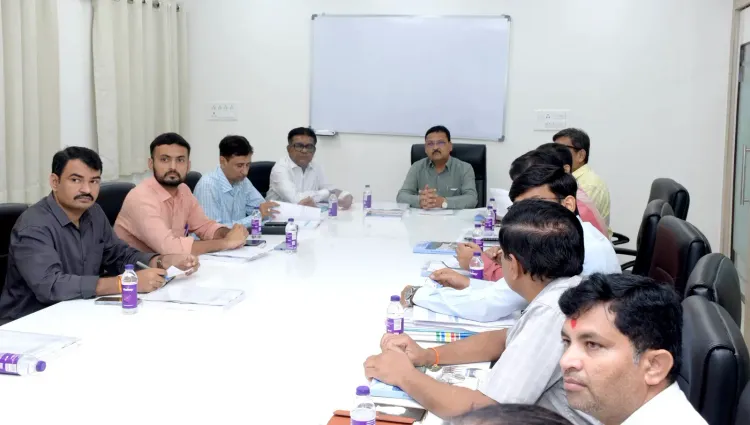
Water Resources and Water Supply Minister Ishwarsinh Patel on Tuesday, 28 July chaired a flood preparedness review at the Flood Control Cell of the State Water Data Centre in Gandhinagar, directing officials to ensure timely dissemination of flood warnings as heavy rainfall continued to batter parts of south and central Gujarat. The review underscores the state government's effort to prevent loss of life and property during an active monsoon season.
Key Developments at the Review Meeting
During the meeting, Patel stressed that surging inflows into reservoirs — triggered by heavy rainfall in upstream catchment areas or local regions — make rapid communication of alerts non-negotiable. He directed officials to ensure that High Alert, Alert, and Warning notifications reach not only departmental officers but also district collectors and local administrative bodies without delay.
'When there is heavy rainfall in upstream areas or at the local level, water flows into reservoirs. High Alert, Alert and Warning notifications should be communicated promptly to the concerned officials as well as district collectors and the administration so that advance information can be shared locally and loss of life and property can be avoided,' Patel said.
Disaster Management Plan and Infrastructure in Place
The minister confirmed that the Water Resources Department is implementing the 'Disaster Management Plan-2026' in coordination with multiple government departments. The Flood Control Cell at the State Water Data Centre operates every year from 1 June to 31 October, or until the monsoon season concludes.
To support round-the-clock emergency communication, the state has kept 12 hotline connections, 14 satellite phones, and approximately 413 wireless communication sets operational. These systems are designed to facilitate rapid information exchange from districts during crisis situations.
Reservoir Monitoring and Technology Systems
Officials briefed the minister on the Reservoir Data Management System, which provides real-time, data-driven information on rainfall and reservoir conditions across Gujarat through the Dams Warning Status and Rainfall platform. The system enables continuous monitoring and analysis of the state's water resources.
During the visit, Patel used the hotline network to directly contact local officials and review water inflow and outflow at several reservoirs, including the Ukai Dam. He issued fresh instructions after assessing the latest rainfall and reservoir conditions on the ground.
Officials Present
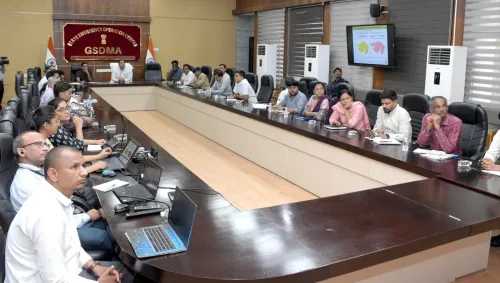
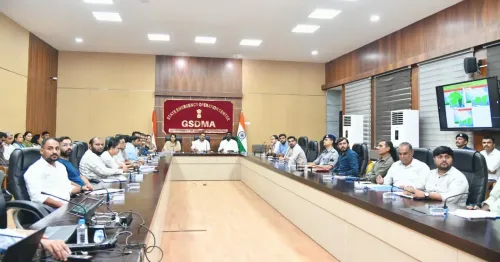
The review meeting was attended by Water Resources Department Secretary P.C. Vyas, chief engineers from all zones of the state, and senior departmental officials. A detailed presentation on the functioning of the State Water Data Centre and its monitoring systems was also made during the session.
With the monsoon season still active, authorities are expected to maintain heightened vigil across south and central Gujarat in the days ahead.
Point of View
But the minister's direct hotline contact with dam officials and the explicit invocation of Disaster Management Plan-2026 suggest the administration is taking this year's rainfall pattern more seriously than usual. Gujarat's reservoir network — anchored by large structures like Ukai Dam — has historically posed downstream risk when upstream catchments receive sustained rainfall. The real accountability test is whether the alert chain actually reaches the last-mile village administration in time, not just district collectors. Past flood events in Gujarat have exposed gaps precisely at that sub-district level, and no amount of satellite phones fixes a broken local communication culture.
NationPress
27 Oct 2026
Frequently Asked Questions
Why did Gujarat's Water Resources Minister review flood preparedness on 28 July?
Minister Ishwarsinh Patel convened the review because heavy rainfall was continuing to affect south and central Gujarat, raising reservoir inflow levels and the risk of flooding. The review was aimed at ensuring that alert notifications reach district collectors and local authorities in time to protect lives and property.
What is the Flood Control Cell at the State Water Data Centre?
It is a dedicated monitoring unit in Gandhinagar that operates every year from 1 June to 31 October to track rainfall and reservoir conditions across Gujarat. It coordinates flood warnings and emergency communication during the monsoon season.
What communication infrastructure does Gujarat use during flood emergencies?
The state keeps 12 hotline connections, 14 satellite phones, and around 413 wireless communication sets operational round the clock during the monsoon. These are used to rapidly exchange information between districts and the State Water Data Centre.
What is the Disaster Management Plan-2026 mentioned by the minister?
It is a coordinated flood and disaster response framework being implemented by the Gujarat Water Resources Department in collaboration with various government departments. The plan governs how alerts are issued and how departments respond during monsoon emergencies.
Which reservoirs were reviewed during the minister's visit?
Minister Patel specifically reviewed water inflow and outflow at Ukai Dam, among other reservoirs, using the hotline network to contact local officials directly. He issued fresh instructions based on the latest rainfall and reservoir data.