Delhi NCR gets second NDMA emergency alert test on Saturday
Synopsis
For the second time in May, phones across Delhi NCR blared with an NDMA emergency alert test — this time signalling that India's indigenous SACHET Cell Broadcast Alert System is edging toward full deployment. With monsoon season closing in, the timing of these drills is far from coincidental.
Key Takeaways
Residents of Delhi NCR received a second round of NDMA emergency alert tests on 30 May .
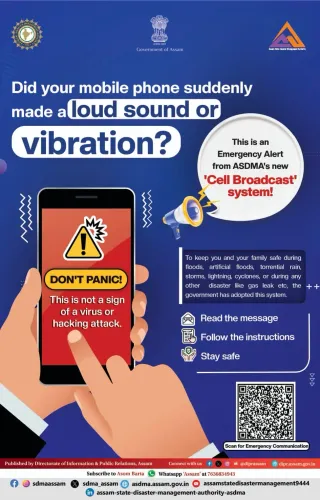
Alerts appeared as flash messages with a high-decibel tone; messages confirmed no action was required.
The system uses the indigenous SACHET platform developed by C-DOT , based on Common Alerting Protocol standards.
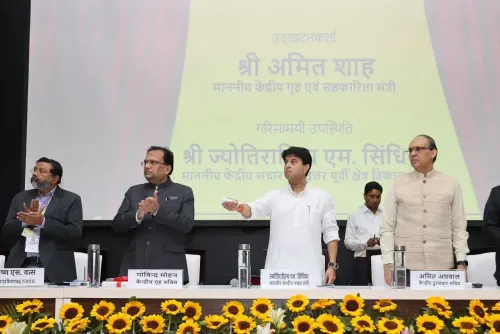
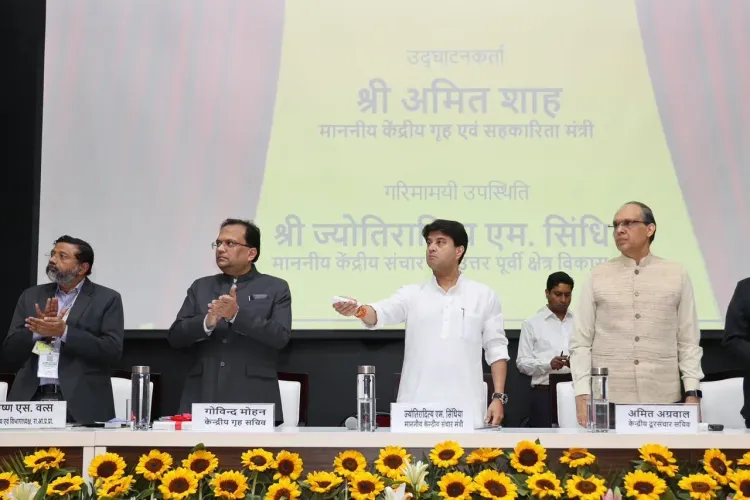
The Cell Broadcast Alert System was launched this month by Union Communications Minister Jyotiraditya Scindia .
The system was developed with NDMA support under the guidance of Union Home Minister Amit Shah .
Testing aims to verify network readiness across different mobile networks and handsets ahead of full deployment.
Residents across the Delhi NCR region received a second round of emergency alert notifications on their mobile phones on Saturday, 30 May, as part of an ongoing test exercise conducted by the National Disaster Management Authority (NDMA). The alerts arrived as flash messages accompanied by a high-decibel warning tone, prompting widespread attention across the region.
What the Alert Said
The messages clearly identified themselves as part of a test drill, informing recipients that no action was required. This was the second such test transmission, following an earlier round in May when officials first disclosed that periodic evaluations of the emergency communication mechanism were underway ahead of full operational deployment.
The Technology Behind the System
The alerts are delivered through the Cell Broadcast Alert System, which transmits emergency notifications directly to mobile phones in real time — without requiring recipients to have a specific app or an active internet connection. The system is built on the indigenous integrated alert platform SACHET, developed by the Centre for Development of Telematics (C-DOT), and operates on internationally accepted Common Alerting Protocol (CAP) standards.
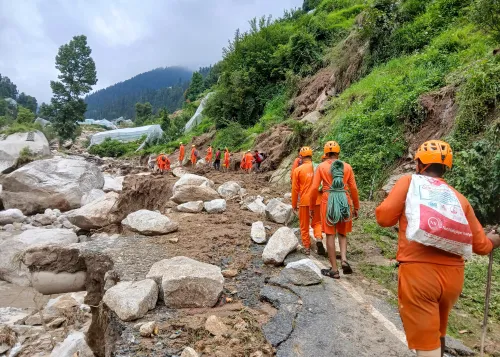
The platform is designed to cover a wide range of disaster scenarios, including earthquakes, tsunamis, lightning strikes, floods, and other public safety emergencies. Critically, it reaches users across different mobile networks and handset types simultaneously.
Government Backing and Launch
The Cell Broadcast Alert System was formally launched earlier this month by Union Communications Minister Jyotiraditya Scindia. The system was developed with support from the NDMA under the guidance of Union Home Minister Amit Shah, underscoring the Centre's push to modernise disaster preparedness infrastructure.
Why Periodic Testing Matters
Officials have stated that these scheduled test exercises are intended to evaluate network readiness and identify gaps in alert delivery across diverse mobile infrastructure. This comes amid growing recognition that last-mile communication failures have historically cost lives during natural disasters in India. Notably, this is the second confirmed public-facing test, suggesting the system is moving closer to full operational status.
With monsoon season approaching, the timing of these drills is significant — authorities are evidently working to ensure the alert network is functional before peak flood and storm risk arrives.
Point of View
But two test runs in a single month in one metro region is a narrow proof of concept. The real measure will be whether alerts reach rural and low-connectivity areas, where disaster risk is highest and network diversity is greatest. The political optics of a Home Minister-backed launch are clear; the operational credibility will only be established when the system is stress-tested beyond Delhi NCR.
NationPress
14 Oct 2026
Frequently Asked Questions
What is the NDMA Cell Broadcast Alert System tested in Delhi NCR?
It is a real-time disaster warning system that sends emergency alerts directly to mobile phones as flash messages with a warning tone, without requiring an app or internet connection. It is built on the indigenous SACHET platform developed by C-DOT and follows Common Alerting Protocol standards.
Why did phones beep with an emergency alert on 30 May in Delhi NCR?
The alert was a scheduled test exercise by the National Disaster Management Authority to evaluate the reliability and network readiness of the Cell Broadcast Alert System. The message itself informed recipients that it was a test and that no action was required.
Who launched the Cell Broadcast Alert System?
Union Communications Minister Jyotiraditya Scindia formally launched the system earlier in May 2025. It was developed with NDMA support under the guidance of Union Home Minister Amit Shah.
What disasters can the SACHET alert system warn about?
The system is designed to deliver warnings for a range of emergencies including earthquakes, tsunamis, lightning strikes, floods, and other public safety situations, transmitting alerts across different mobile networks and handset types simultaneously.
Is this the first time such an emergency alert was tested in India?
No, this was the second test transmission in May 2025. Officials had earlier indicated that periodic testing would be conducted to assess network readiness before the system is fully operationalised for wider deployment.