Supreme Court dismisses PIL on Prophet Muhammad remarks, cites available legal remedies
Synopsis
The Supreme Court shut the door on a PIL targeting alleged derogatory remarks against Prophet Muhammad in a viral podcast, telling the petitioner to work through police and IT Rules first. The bench's pointed oral remark — that Article 32 petitions in such cases 'serve something else' — signals the court's growing impatience with PILs that bypass due process to litigate sensitive communal issues at the highest level.
Key Takeaways
The Supreme Court dismissed a PIL on 15 July seeking action over alleged derogatory remarks against Prophet Muhammad in a viral social media video.
A bench of Justice P.S.
Narasimha and Justice Alok Aradhe held that the petitioner must first exhaust remedies under law, including approaching police authorities .
The court referenced existing Information Technology Rules as an available legal framework for content-related grievances.
The PIL, filed by advocate Ansar Ahmad Chaudhari , named MeitY , YouTube , Facebook , X , and Nazia Elahi Khan as respondents.
An FIR was already registered in Mumbai on 23 June ; the PIL was filed before the apex court on 2 July .
On 7 July , the court had also declined an urgent hearing, directing the petitioner to approach police first.
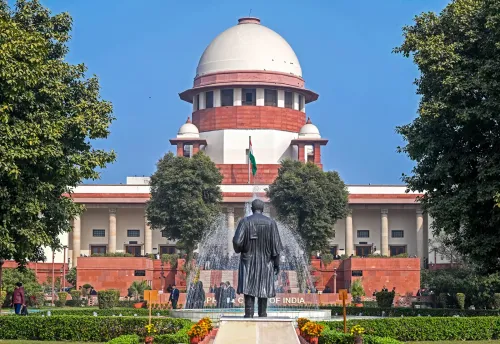
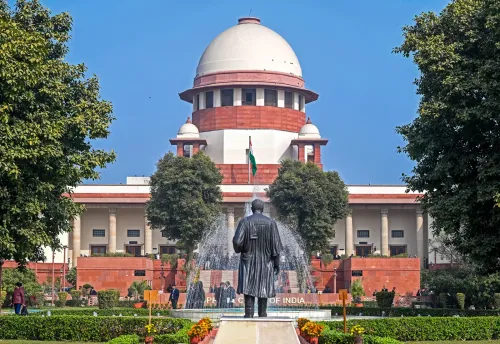
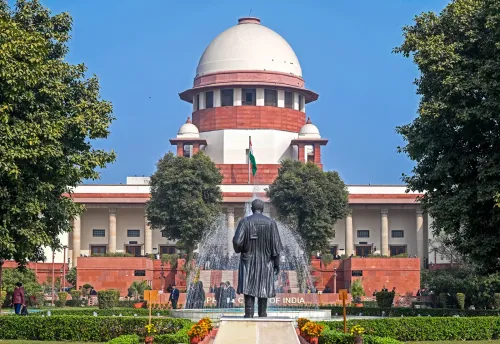
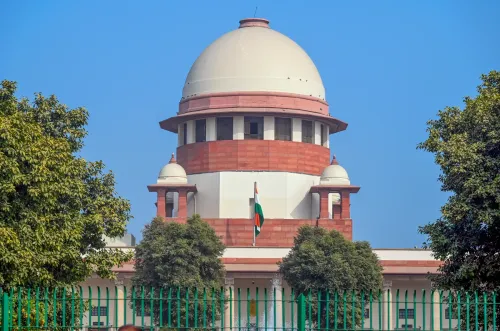
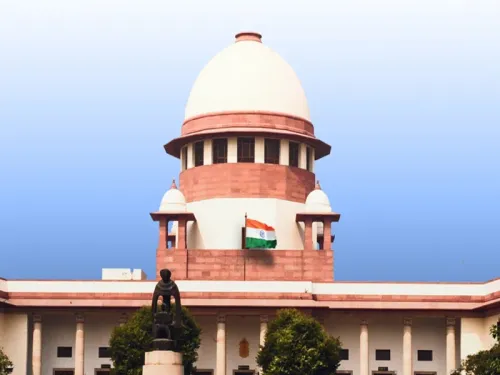
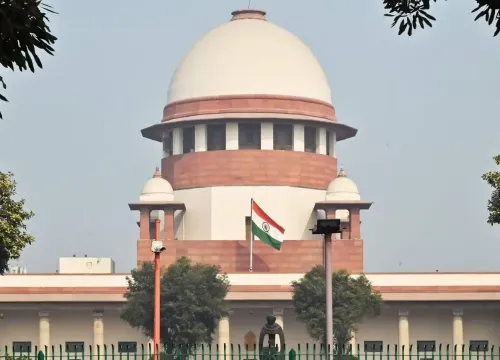
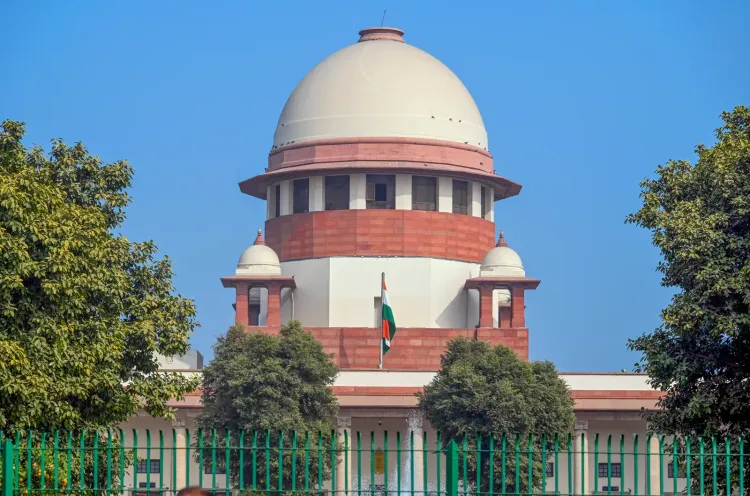
The Supreme Court of India on Wednesday, 15 July dismissed a public interest litigation (PIL) seeking action over alleged derogatory remarks against Prophet Muhammad in a viral social media video, ruling that the petitioner must first exhaust available legal remedies before approaching the apex court. The bench declined to entertain the plea filed directly under Article 32 of the Constitution.
What the Court Said
A bench of Justice P.S. Narasimha and Justice Alok Aradhe dismissed the PIL, observing that matters of this nature require the petitioner to first approach police authorities and follow prescribed legal procedures before invoking the Supreme Court's jurisdiction. During the hearing, the bench pointedly asked the petitioner's counsel whether he was aware of the Information Technology Rules, signalling that an existing legal framework was already in place to address such grievances.
The court also remarked orally: 'We understand. These Article 32 petitions are to serve something else,' suggesting the bench viewed the direct approach to the apex court as procedurally inappropriate and potentially aimed at amplifying the controversy rather than resolving it through due process.
What the PIL Sought
The petition was filed by advocate-on-record Ansar Ahmad Chaudhari, who sought directions to authorities to identify, remove, and delete from social media platforms all videos and posts allegedly containing defamatory and offensive remarks against Prophet Muhammad. The plea also requested the Centre to frame and implement guidelines regulating the publication and dissemination of content on digital and social media platforms that is deliberately derogatory or insulting towards revered religious figures, including Prophet Muhammad and Bhagwan Shri Ram.
Additionally, the petition sought safeguards to prevent alleged misuse of online platforms for outraging religious sentiments and promoting communal disharmony. The respondents named in the plea included the Union Ministry of Home Affairs, the Ministry of Electronics and Information Technology (MeitY), YouTube, Facebook, X, and Nazia Elahi Khan.
Background and Earlier Hearing
According to the petition, the grievance arose from a viral podcast clip in which respondent Nazia Elahi Khan allegedly made remarks concerning Prophet Muhammad that, the petitioner contended, were derogatory and had deeply hurt the religious sentiments of Muslims. The plea further argued that the interviewer, despite having the opportunity to edit or remove the allegedly objectionable portion, published the podcast in its entirety, thereby facilitating its wider dissemination.
The PIL had been first instituted before the apex court on 2 July, following the registration of an FIR in connection with the alleged remarks in Mumbai on 23 June. On 7 July, a bench of Justice Ahsanuddin Amanullah and Justice Sheel Nagu had declined an urgent hearing, advising the petitioner to approach police first. Justice Amanullah had observed: 'The police are there. Have faith in our system. We are only the apex; we are here to monitor,' stressing that the Supreme Court's jurisdiction should be invoked only if the legal process failed.
Broader Legal Context
The dismissal reinforces a consistent position taken by the Supreme Court in recent years: that Article 32 petitions cannot serve as a first resort in matters where statutory and administrative remedies remain untested. The court's reference to IT Rules points to the existing content-moderation framework under which platforms such as YouTube and X are already obligated to act on grievances through designated nodal officers. This is not the first time the apex court has flagged the misuse of PIL jurisdiction to draw attention to sensitive communal matters, and Wednesday's dismissal follows that established pattern.
With the PIL now dismissed and an FIR already on record in Mumbai, the matter is expected to proceed through the criminal justice system, where investigators will determine the next course of action.
Point of View
The IT grievance mechanism, or the criminal courts. The bench's oral observation that such petitions 'serve something else' is unusually candid — it reflects a judicial awareness that PILs on communally charged subjects can themselves become instruments of amplification. With an FIR already registered in Mumbai, the legal process was never stalled; it was simply being bypassed. The real question going forward is whether the IT Rules framework — which the court pointedly invoked — is robust enough to handle content moderation disputes without requiring apex court intervention every time a viral video triggers communal sensitivity.
NationPress
13 Oct 2026
Frequently Asked Questions
Why did the Supreme Court dismiss the PIL about Prophet Muhammad remarks?
The Supreme Court dismissed the PIL because the petitioner had not first exhausted the legal remedies available under law, including approaching police authorities and using the framework provided by the Information Technology Rules. The bench held that Article 32 of the Constitution cannot be directly invoked without trying these avenues first.
What did the PIL seek?
The PIL sought court directions to identify, remove, and delete social media content allegedly containing derogatory remarks against Prophet Muhammad. It also asked the Centre to frame guidelines regulating publication of content offensive to revered religious figures and to prevent misuse of online platforms for promoting communal disharmony.
Who filed the PIL and who were the respondents?
The PIL was filed by advocate-on-record Ansar Ahmad Chaudhari. The respondents named in the petition included the Union Ministry of Home Affairs, MeitY, YouTube, Facebook, X, and Nazia Elahi Khan, in whose podcast the allegedly derogatory remarks were made.
What is the background of the viral podcast controversy?
The grievance arose from a viral podcast clip in which Nazia Elahi Khan allegedly made remarks about Prophet Muhammad that the petitioner described as derogatory and hurtful to Muslim religious sentiments. An FIR was registered in Mumbai on 23 June in connection with the alleged remarks, after which the PIL was filed before the Supreme Court on 2 July.
What happens next in this case?
With the PIL dismissed, the matter is expected to proceed through the criminal justice system, where the FIR registered in Mumbai on 23 June will guide the investigation. The petitioner may also approach the relevant platform grievance mechanisms under the IT Rules, as indicated by the Supreme Court.