SC declines urgent hearing on PIL over Prophet Muhammad remarks
Synopsis
The Supreme Court refused to fast-track a PIL over a viral podcast clip allegedly containing derogatory remarks against Prophet Muhammad, telling the petitioner to have faith in the police process. The Bench's pointed warning against sensationalising communal matters — and its open invitation to return if the system fails — signals both restraint and watchfulness.
Key Takeaways
The Supreme Court on 6 July declined an urgent hearing on a PIL over alleged derogatory remarks against Prophet Muhammad in a viral podcast clip.
A Bench of Justices Ahsanuddin Amanullah and Sheel Nagu directed the petitioner to first approach police and follow the ordinary legal process.
The PIL, filed by advocate Ansar Ahmad Chaudhari under Article 32 , names MeitY , YouTube , Facebook , X , and Nazia Elahi Khan as respondents.
An FIR was already registered in Mumbai on 23 June ; the PIL was filed on 2 July .
The court acknowledged the seriousness of the allegations but stressed procedure must be followed before the apex court intervenes.
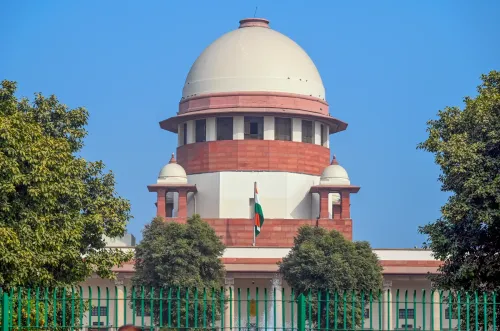
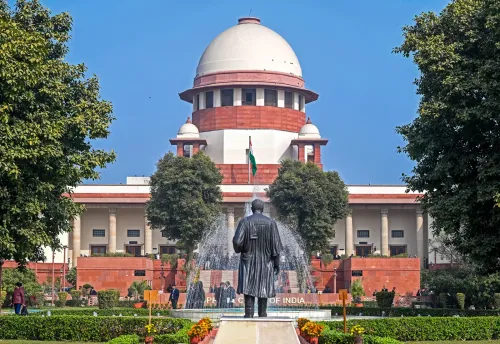
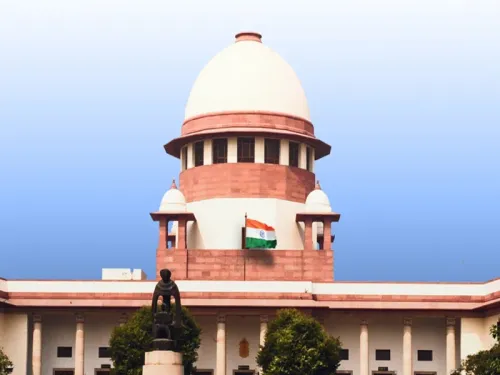
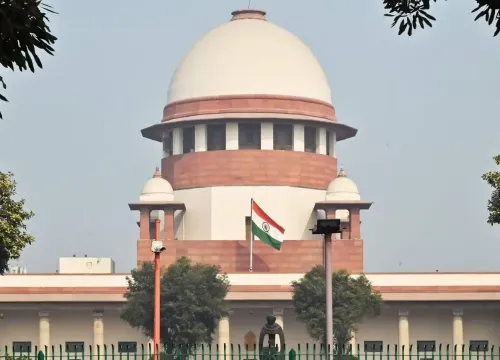
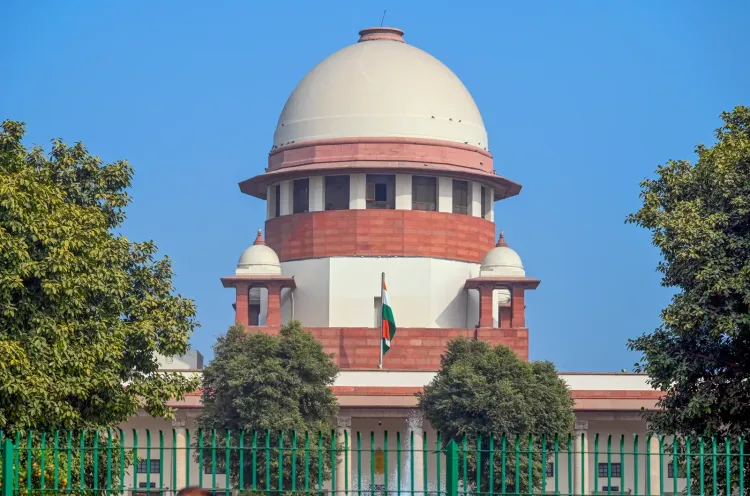
The Supreme Court on Monday, 6 July declined to grant an urgent hearing to a public interest litigation (PIL) seeking action over alleged derogatory remarks against Prophet Muhammad in a viral social media video, directing the petitioner to first exhaust the ordinary legal process and approach police authorities before knocking on the apex court's doors.
What the Bench Said
A Bench comprising Justices Ahsanuddin Amanullah and Sheel Nagu refused to entertain the plea for urgent listing and urged the petitioner to trust the established legal framework. 'The police are there. Have faith in our system. We are only the Apex; we are here to monitor,' the Bench remarked, cautioning that if every grievance bypassed lower authorities to land directly before the Supreme Court, those authorities would lose the incentive to discharge their responsibilities.
Justice Amanullah acknowledged the gravity of the allegations while firmly underlining the primacy of procedure. 'It's a grave thing, I agree with you... speaking for myself, I am very sensitive to it... but then there is a procedure. If that doesn't work, come to us,' he said. The judge also warned against amplifying sensitive communal matters: 'Don't sensationalise these things. If one person has made a mistake, pin him down with the full force of the law.'
What the PIL Seeks
The petition, filed under Article 32 of the Constitution by advocate-on-record Ansar Ahmad Chaudhari, names the Union Ministry of Home Affairs, the Ministry of Electronics and Information Technology (MeitY), YouTube, Facebook, X, and Nazia Elahi Khan as respondents. It seeks court directions to identify, remove, and delete from social media platforms all videos and posts allegedly containing defamatory or offensive remarks against Prophet Muhammad.
Beyond content removal, the plea urges the Centre to frame and implement comprehensive guidelines regulating the publication and dissemination of online content that is deliberately derogatory or insulting towards revered religious figures — including, as stated in the petition, Prophet Muhammad and Bhagwan Shri Ram. It also seeks safeguards to prevent the alleged misuse of digital platforms for outraging religious sentiments and fomenting communal disharmony.
Background: The Viral Podcast Clip
According to the petition, the controversy stems from a viral podcast clip in which respondent Nazia Elahi Khan allegedly made remarks about Prophet Muhammad that the petitioner contends are deeply offensive to the religious sentiments of Muslims. The plea further argues that the interviewer, despite having the opportunity to edit out the allegedly objectionable portion, published the podcast in its entirety, thereby facilitating its wider circulation.
The petition contends that while freedom of speech is a fundamental right under the Constitution, it is subject to reasonable restrictions and does not extend to deliberately offensive remarks against revered religious figures that are capable of disturbing public order and communal harmony.
Prior Legal Action and Timeline
According to the list of dates annexed to the petition, an FIR was registered in Mumbai on 23 June in connection with the alleged remarks. The present PIL was subsequently filed before the Supreme Court on 2 July. The court's refusal to fast-track the matter effectively directs the petitioner back to the ongoing criminal process already set in motion by that FIR.
The matter is likely to return to the Supreme Court if the petitioner finds the police response inadequate — a pathway the Bench itself left open on Monday.
Point of View
And the Bench was right to remind petitioners that police and lower courts exist precisely to absorb these disputes before they reach the apex level. What is worth watching, however, is the broader pattern: PILs on communal content are increasingly being filed directly in the Supreme Court, bypassing High Courts and FIR processes that are already underway. Justice Amanullah's warning against sensationalisation is a rare judicial nudge at the petitioner bar itself — signalling that the court is alert to the risk of amplifying, rather than resolving, communal tensions through high-profile litigation.
NationPress
5 Oct 2026
Frequently Asked Questions
Why did the Supreme Court decline the urgent hearing on the Prophet Muhammad PIL?
The Supreme Court declined to fast-track the PIL because it held that the petitioner must first exhaust the ordinary legal process — including approaching police authorities — before seeking apex court intervention. The Bench noted that an FIR had already been registered in Mumbai and directed the petitioner to have faith in that process.
What does the PIL filed by Ansar Ahmad Chaudhari seek?
The PIL seeks court directions to remove videos and posts with allegedly derogatory remarks against Prophet Muhammad from social media platforms, guidelines from the Centre regulating offensive religious content online, and safeguards against the misuse of digital platforms to promote communal disharmony.
Who is Nazia Elahi Khan and what is her alleged role?
Nazia Elahi Khan is named as a respondent in the PIL. According to the petition, she allegedly made remarks about Prophet Muhammad during a recorded podcast that the petitioner contends are derogatory and have hurt the religious sentiments of Muslims.
Has any FIR been filed in connection with the viral podcast clip?
Yes. According to the list of dates in the petition, an FIR was registered in Mumbai on 23 June in connection with the alleged remarks. The PIL before the Supreme Court was filed on 2 July, after the FIR.
Can the petitioner return to the Supreme Court if police action is inadequate?
Yes. Justice Amanullah explicitly left this door open, saying 'If that doesn't work, come to us.' The court's refusal of urgent listing is not a dismissal of the PIL on merits, and the petitioner retains the right to approach the apex court if the prescribed legal process proves ineffective.