Did the SC Reject the PIL Against Police Actions on Swami Avimukteshwaranand’s Followers?
Synopsis
The Supreme Court's recent decision not to entertain a PIL against police actions during the Magh Mela raises questions about law enforcement and religious rights. With serious allegations of police excesses against Swami Avimukteshwaranand's disciples, this unfolding controversy could influence future engagements between authorities and religious leaders.
Key Takeaways
The Supreme Court declined to accept the PIL about police actions.
Allegations of police violence against minors were made during the Magh Mela.
The petition emphasized the need for SOPs for state engagements with religious leaders.
The Magh Mela was held under the supervision of the Uttar Pradesh government.
Protests from Swami Avimukteshwaranand highlighted concerns over religious freedoms.
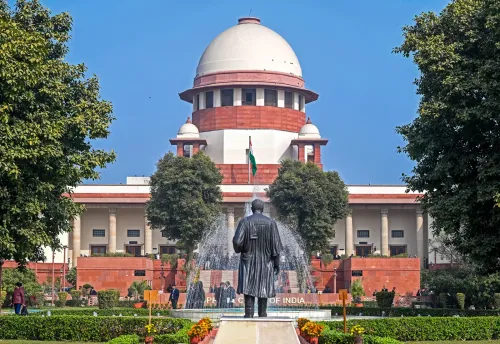
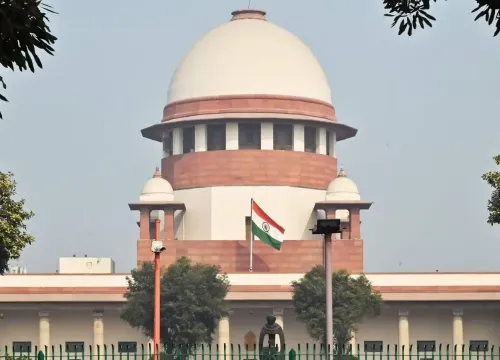
New Delhi, Feb 16 (NationPress) The Supreme Court on Monday chose not to entertain a Public Interest Litigation (PIL) that claimed police misconduct against the followers of Swami Avimukteshwaranand during the Magh Mela in Prayagraj, Uttar Pradesh.
The Bench, comprising Chief Justice of India (CJI) Surya Kant and Justices Joymalya Bagchi and Vipul Pancholi, noted that matters concerning law and order are within the jurisdiction of the state government. They stated that the petitioner could approach the appropriate authorities with a representation and pursue necessary legal action.
This PIL was submitted under Article 32 by advocate Ujjawal Gaur, who appeared personally, and it brought forth claims of “arbitrary, violent, and unconstitutional state actions” during the Magh Mela, particularly on the day of Mauni Amavasya.
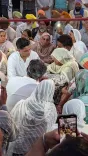
The petition alleged that minor religious students accompanying Swami Avimukteshwaranand Saraswati, the Shankaracharya of Jyotish Peeth (Jyotirmath), were “forcibly dragged, assaulted, and brutally beaten” by police when they attempted to perform the traditional holy dip at the Sangam on January 18.
Referring to video footage and images from the incident, the petition accused the police of pulling minors by their shikhas and using physical force, arguing that such actions constituted “cruel, inhuman and degrading treatment” in violation of Articles 14, 21, and 25 of the Constitution.
Additionally, the petition raised concerns over notices from the Prayagraj Mela administration alleging misuse of the religious title Shankaracharya and warning of possible cancellation of land allotment and facilities.
The petitioner sought the Supreme Court's intervention for establishing uniform Standard Operating Procedures (SOPs) to regulate interactions between state authorities and religious leaders during large gatherings like the Magh Mela, ensuring the protection of the dignity and rights of both ascetics and minor students.
The Magh Mela, which began on January 3 and concluded on Mahashivratri on February 15, was organized under the auspices of the Uttar Pradesh government.
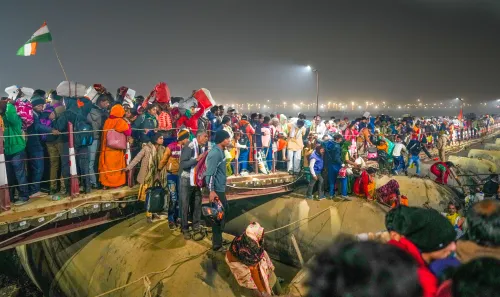
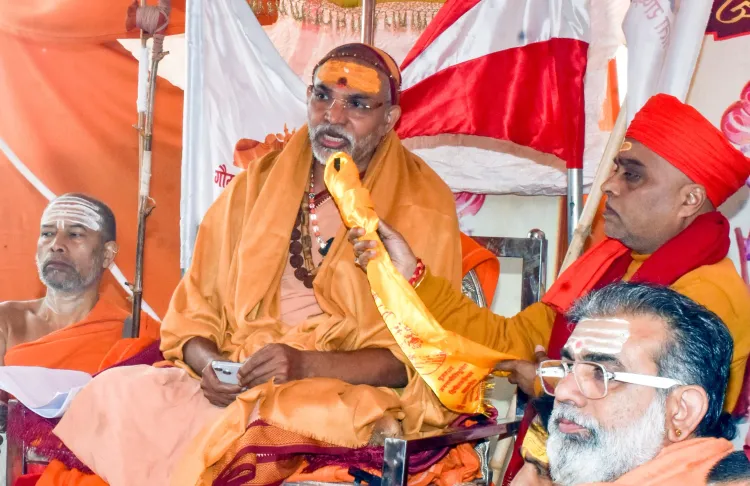
The controversy escalated during the auspicious Mauni Amavasya bathing festival at the Magh Mela in Prayagraj when Swami Avimukteshwaranand attempted to proceed to the Sangam in a traditional palanquin procession.
The Prayagraj administration halted the procession, citing safety concerns and enforcing a “no-vehicle zone” policy due to the large number of attendees.
The ensuing clash between the Swami’s followers and police resulted in allegations of manhandling.
In response, Swami Avimukteshwaranand staged a sit-in protest and reportedly refused food and water, demanding an apology from the administration. The situation escalated further when the Magh Mela Authority issued a formal notice challenging his right to use the title 'Shankaracharya'.
Point of View
I believe this case underscores the delicate balance between law enforcement and the rights of religious figures and their followers. The Supreme Court's stance invites a discussion on the need for clear protocols governing such interactions during significant religious events, ensuring that both public safety and religious freedoms are upheld.
NationPress
16 Oct 2026
Frequently Asked Questions
What was the Supreme Court's decision regarding the PIL?
The Supreme Court refused to entertain the PIL alleging police misconduct against Swami Avimukteshwaranand's disciples during the Magh Mela.
What were the allegations made in the PIL?
The PIL claimed that police used excessive force against minors accompanying the Swami, including physical assaults during a traditional holy dip.
What action did the Supreme Court suggest to the petitioner?
The court suggested that the petitioner could approach the appropriate state authorities to seek legal recourse.
What was the context of the incident?
The incident occurred during the Magh Mela, particularly on Mauni Amavasya, when the disciples attempted to perform a ceremonial dip at the Sangam.