SC refuses urgent hearing on PIL over Bhojpur encounter killing in Bihar
Synopsis
The Supreme Court refused to fast-track a PIL over the alleged fake encounter killing of a 28-year-old in Bihar's Bhojpur — a man who had reportedly gone live on Facebook hours before his death expressing willingness to surrender. The case spotlights a wider pattern of 'half encounters' that the petition argues is eroding the constitutional right to life across multiple states.
Key Takeaways
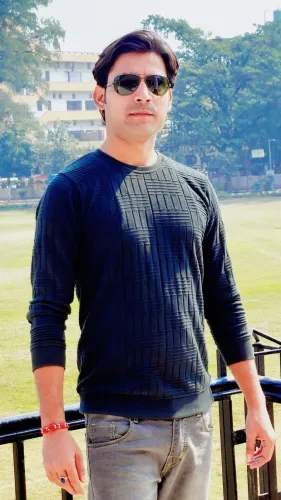
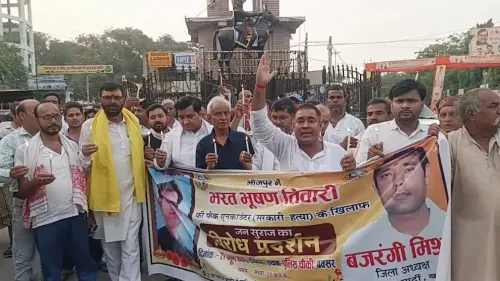
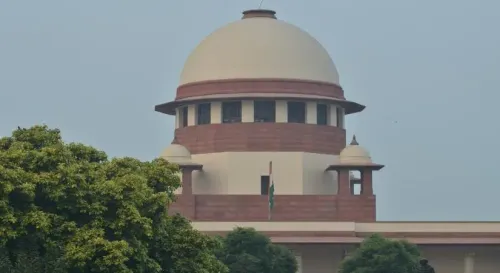
The Supreme Court on Monday declined an urgent hearing on a PIL over the alleged fake encounter killing of Bharat Bhushan Tiwari in Bhojpur, Bihar .
Nagarathna directed petitioner advocate Vishal Tiwari to approach the apex court registry for formal listing.
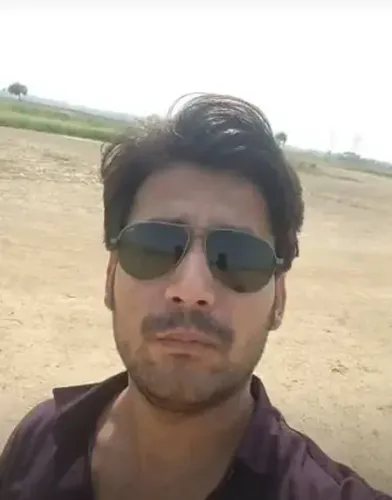
Tiwari, 28 , was killed on 17 June — hours after a Facebook Live in which he allegedly offered to surrender.
His father Kashinath Tiwari claimed his son had no criminal record, FIR, or charge sheet, and was shot after laying down his weapon.
The PIL seeks an FIR , a CBI probe, and a judicial inquiry headed by a former Supreme Court judge, invoking the PUCL judgment guidelines.
The petition also flags alleged 'half encounter' patterns in Uttar Pradesh , calling for broader judicial intervention.
The Supreme Court on Monday declined to grant an urgent hearing on a Public Interest Litigation (PIL) seeking a court-monitored investigation into the alleged fake encounter killing of Bharat Bhushan Tiwari in Bhojpur, Bihar, raising broader concerns about extra-judicial killings and so-called 'half encounters' across parts of India.
What the Court Said
The matter was mentioned before a single-judge bench of Justice B.V. Nagarathna, who declined the request for urgent listing. She directed advocate Vishal Tiwari, appearing as petitioner-in-person, to first approach the apex court registry for formal listing of the case before any hearing could proceed.
What the PIL Demands
The petition seeks registration of an FIR in connection with the 17 June encounter killing of Tiwari in Bhojpur. It further demands a judicial inquiry headed by a former Supreme Court judge and a parallel probe by the Central Bureau of Investigation (CBI). The PIL also seeks directions for strict compliance with the guidelines laid down by the Supreme Court in the landmark PUCL judgment, which governs investigations into deaths arising from police encounters.
Key Allegations in the Petition
According to the petition, 28-year-old Tiwari was killed within hours of conducting a Facebook Live broadcast in which he allegedly expressed willingness to surrender, provided certain demands were met. The deceased's father, Kashinath Tiwari, claimed his son had no criminal record, no FIR, and no charge sheet against him, and was allegedly shot even after laying down his weapon.
The plea contended that police personnel in encounter cases routinely rely on a recurring justification — that the deceased attempted to snatch a weapon and open fire while trying to escape — which then triggers retaliatory action. 'The police cannot be allowed to become a mode of delivering final justice or to become a punishing authority. The power of punishment is only vested in the judiciary,' the petition stated.
Protests and Wider Concerns
The petition noted that the incident has triggered protests in the village, with residents demanding an inquiry into whether lethal force was justified following the alleged surrender. 'The encounter has led to protests in the village, with residents demanding an inquiry into the circumstances surrounding Tiwari's death,' the plea stated, adding that while taking up arms against police warranted legal action, 'the use of lethal force after an alleged surrender raises serious questions.'
The PIL also referenced recent alleged encounter cases in Uttar Pradesh, arguing that a culture of 'half encounters' has taken root in parts of the country, making judicial intervention necessary to uphold constitutional rights and the rule of law. The petition contended that fake encounters amount to violations of the fundamental right to life and liberty guaranteed under the Constitution of India.
What Happens Next
The petitioner must now approach the Supreme Court registry for formal listing. Once listed, the bench will determine whether to admit the PIL and issue notices. The case is expected to draw attention to the Supreme Court's own PUCL guidelines, which mandate independent investigations into all encounter deaths — guidelines that critics argue are inconsistently followed across states.
Point of View
But it delays scrutiny of a case with unusually specific facts: a Facebook Live surrender offer, a father's claim of no prior criminal record, and a killing within hours. What makes this PIL significant is not just the Bhojpur incident but its attempt to force compliance with the Court's own PUCL guidelines, which have existed for years yet remain inconsistently enforced. The pattern of 'self-defence' justifications in encounter deaths — recurring across Bihar, Uttar Pradesh, and elsewhere — suggests a systemic accountability gap that procedural delays only deepen. Whether the Court, once it formally hears the matter, will treat this as an isolated incident or an opportunity to revisit PUCL enforcement will be the real test.
NationPress
21 Sept 2026
Frequently Asked Questions
What is the Bhojpur encounter case about?
The Bhojpur encounter refers to the alleged killing of 28-year-old Bharat Bhushan Tiwari by police in Bhojpur, Bihar on 17 June . A PIL before the Supreme Court alleges the killing was a fake encounter, noting that Tiwari had reportedly gone live on Facebook hours earlier expressing willingness to surrender.
Why did the Supreme Court decline an urgent hearing?
Justice B.V. Nagarathna declined the urgent mention and directed the petitioner to first approach the apex court registry for formal listing. This is a standard procedural step before any PIL can be scheduled for hearing.
What does the PIL seek from the Supreme Court?
The PIL seeks registration of an FIR, a CBI investigation, and a judicial inquiry headed by a former Supreme Court judge into the Bhojpur encounter. It also seeks directions to curb extra-judicial killings and enforce the Supreme Court's own PUCL judgment guidelines on encounter deaths.
What are 'half encounters' and why are they a concern?
'Half encounters' is a term used in the petition to describe alleged staged police killings where suspects are shot under the pretext of self-defence, often after an actual or implied surrender. The PIL argues this pattern has become entrenched in parts of Bihar and Uttar Pradesh, posing a threat to the constitutional right to life.
What is the PUCL judgment and how does it apply here?
The PUCL judgment is a landmark Supreme Court ruling that lays down mandatory guidelines for investigating all deaths arising from police encounters, including independent probes and magisterial inquiries. The PIL invokes these guidelines, arguing they are not being consistently followed in states like Bihar and Uttar Pradesh.