Supreme Court to hear PIL against advocates' social media solicitation
Synopsis
A PIL before the Supreme Court is challenging what petitioners call an 'unprecedented proliferation' of influencer-style legal content by advocates — including promotional reels shot inside court premises in full court attire. With the BCI's own March 2025 advisory failing to produce a national framework, the court's response could reshape how India's legal profession engages with social media.
Key Takeaways
A PIL filed by advocates Anil Pandey and A.R.
Tripathi under Article 32 is listed before the Supreme Court challenging unethical digital solicitation by advocates.
The petition seeks directions to the Bar Council of India (BCI) to frame binding regulations governing advocates' conduct on platforms such as Instagram , YouTube , and Facebook .
It alleges advocates are recording promotional content inside court premises in full court attire, displaying contact details and client testimonials.
The BCI issued an advisory on 17 March 2025 warning of disciplinary action, but petitioners say no nationwide framework has been implemented.
The PIL is listed before a Bench of CJI Surya Kant , Justice Joymalya Bagchi , and Justice V Mohana on Tuesday .
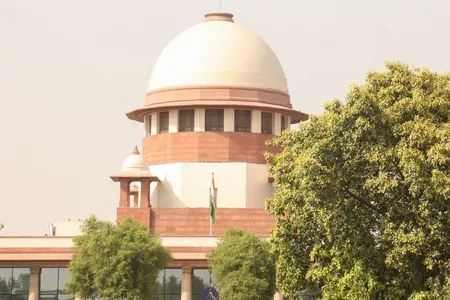
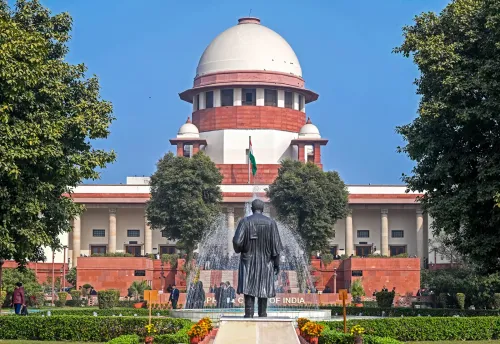
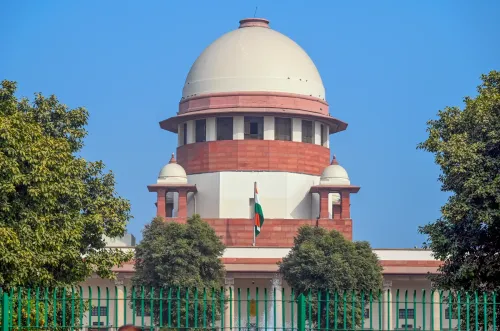
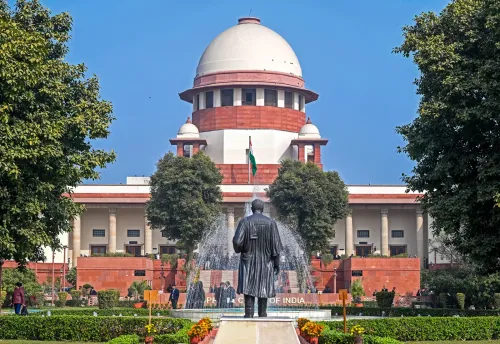
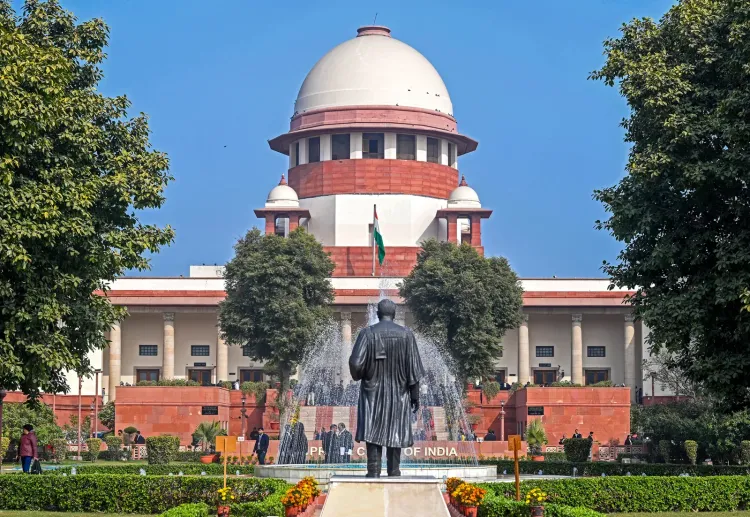
The Supreme Court is set to hear a public interest litigation (PIL) challenging the unchecked rise of influencer-style legal content, promotional reels, and the misuse of court premises by advocates on social media platforms. The petition, listed before a Bench of Chief Justice Surya Kant, and Justices Joymalya Bagchi and V Mohana, contends that such practices are systematically eroding the ethical foundations of the legal profession in India.
Background and Who Filed the PIL
The writ petition was filed by advocates Anil Pandey and A.R. Tripathi under Article 32 of the Constitution. It seeks directions compelling the Bar Council of India (BCI) to frame and enforce a comprehensive regulatory framework governing advocates' conduct on digital platforms, and to ensure strict implementation of the Advocates Act, 1961 and the BCI Rules.
The petitioners had earlier submitted a detailed representation on 2 July to the Chief Justice of India and the BCI Chairman seeking immediate regulatory intervention. According to the petition, no effective nationwide framework has since been put in place.
Key Allegations in the Petition
The plea contends that despite statutory prohibitions on direct and indirect solicitation, there has been an 'unprecedented proliferation' of promotional reels, monetised legal content, and paid collaborations across platforms such as Instagram, YouTube, and Facebook. A significant portion of such content is reportedly recorded inside court premises — corridors and waiting halls — with advocates appearing in full court attire.
These videos frequently display contact details, claims of expertise, client testimonials, and what the petition describes as 'sensational legal commentary' aimed at attracting prospective litigants. The petition argues that the prohibition against advertisement 'cannot be defeated merely by describing promotional content as legal awareness, educational videos or know your rights campaigns.' It states that 'where the primary object is self-promotion, acquisition of clientele or enhancement of commercial visibility, the activity constitutes professional misconduct irrespective of the terminology employed.'
On the Misuse of Court Attire and Premises
The petition takes particular exception to the use of advocates' robes, bands, and court premises for digital content creation. It argues that 'court attire is an institutional symbol representing the majesty of law and the dignity of judicial proceedings' and 'cannot be converted into an instrument of branding, publicity or commercial promotion.' Similarly, court premises 'cannot be transformed into locations for social media content creation or influencer marketing,' the plea states.
The petitioners also allege that social media algorithms increasingly reward sensational legal content through visibility, followers, and monetisation, resulting in advocates competing on digital popularity rather than professional competence and integrity.
Prior Regulatory Measures Cited
The petition references several earlier regulatory actions, including the Madras High Court's judgment dated 3 July 2024 against lawyer rankings and digital solicitation, the Bar Council of India's advisory dated 17 March 2025 warning of disciplinary action against promotional activities through influencers and celebrities, and the Supreme Court Bar Association's resolution prohibiting videography and reels within the apex court premises. The petitioners argue that these measures have remained piecemeal and have failed to produce a uniform national standard.
What Happens Next
The PIL is listed for hearing before the Supreme Court Bench on Tuesday. Should the court admit the petition, it could direct the BCI to formulate binding guidelines — a move that would affect thousands of advocates who have built substantial social media followings. The outcome could set a precedent for how digital conduct by legal professionals is regulated across India.
Point of View
And the BCI's March 2025 advisory — issued without enforcement teeth — has done little to resolve it. What makes this petition significant is its argument that the test should be the 'dominant purpose' of the content, not its label — a standard that, if adopted by the court, would give the BCI a workable enforcement hook. The deeper issue is structural: social media algorithms reward virality, and as long as follower counts translate into client flows, prohibitions alone will not change behaviour. The court will need to go beyond directing the BCI to 'frame guidelines' — it will need to ask what happens to advocates who breach them.
NationPress
12 Oct 2026
Frequently Asked Questions
What is the PIL filed in the Supreme Court about advocates and social media?
The PIL, filed by advocates Anil Pandey and A.R. Tripathi under Article 32 of the Constitution, seeks Supreme Court directions to the Bar Council of India to frame regulations curbing unethical digital solicitation by advocates. It challenges the proliferation of promotional reels, influencer-style videos, and monetised legal content on platforms such as Instagram, YouTube, and Facebook.
Why do the petitioners argue this content violates the Advocates Act, 1961?
The petitioners argue that the Advocates Act, 1961 and BCI Rules prohibit both direct and indirect solicitation, and that promotional content — regardless of whether it is labelled 'legal awareness' or 'educational' — constitutes professional misconduct when its dominant purpose is self-promotion or client acquisition. They contend the use of court attire and court premises for such content further compounds the violation.
What prior action has the Bar Council of India taken on this issue?
The Bar Council of India issued an advisory on 17 March 2025 warning advocates of disciplinary action for promotional activities conducted through influencers and celebrities. The Madras High Court also ruled against lawyer rankings and digital solicitation on 3 July 2024. However, the petitioners argue no effective nationwide regulatory framework has been implemented following these measures.
Which judges will hear the PIL?
The PIL is listed before a Supreme Court Bench comprising Chief Justice Surya Kant, Justice Joymalya Bagchi, and Justice V Mohana, scheduled for hearing on Tuesday.
What could happen if the Supreme Court admits the PIL?
If admitted, the court could direct the Bar Council of India to formulate binding, enforceable guidelines on advocates' digital conduct — a development that would affect thousands of advocates with active social media presences across India. It could also set a national precedent on how the legal profession's ethical rules apply in the digital space.