CM Rekha Gupta: MoU for 800 TPD Bio-Gas Plants in Delhi
Synopsis
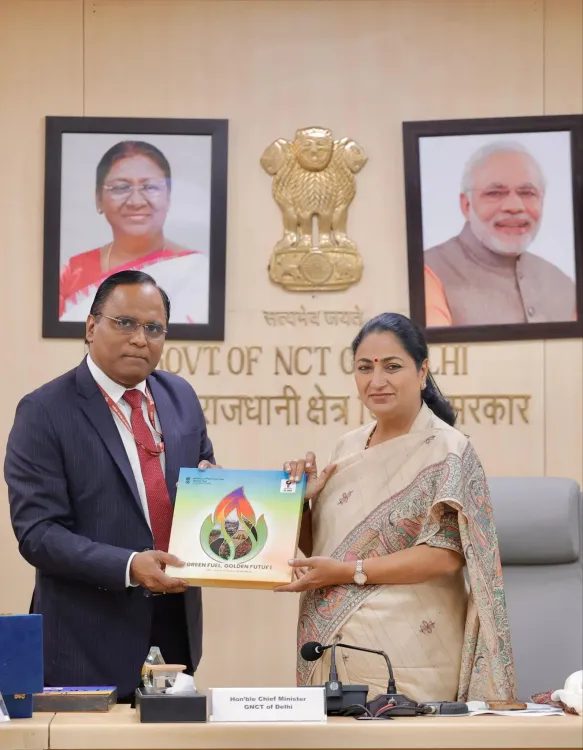
Delhi CM Rekha Gupta on 30 July 2026 witnessed MCD and Oil India Limited sign an MoU to build 800 TPD compressed bio-gas plants at Tehkhand and Okhla, turning segregated organic waste into clean fuel while targeting Delhi's chronic landfill crisis.
Key Takeaways
MCD and Oil India Limited signed an MoU on 30 July 2026 at the Delhi Secretariat for Compressed Bio-Gas plants at Tehkhand and Okhla .
The plants will have a combined capacity of 800 tonnes per day (TPD) of segregated organic waste processing.
MCD Mayor Pravesh Wahi was present at the signing ceremony alongside senior officials.
The project aligns with two national programmes: the Swachh Bharat Mission (2014) and the SATAT initiative (2018) .
Bio-gas produced will reduce landfill load at two of Delhi's most pressure-intensive waste sites while generating clean fuel.
Commissioning timelines for both plants remain to be announced.
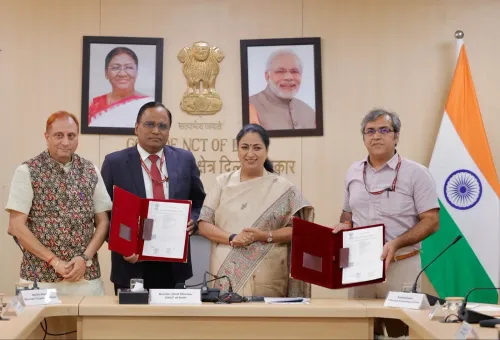
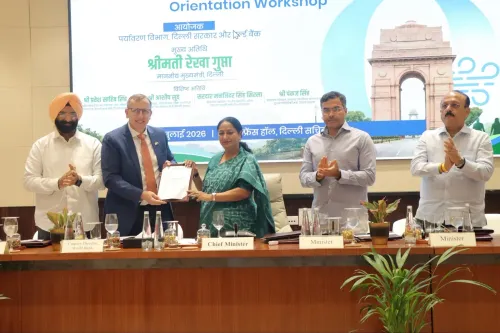
Delhi's garbage mountains may finally have a deadline. Delhi Chief Minister Rekha Gupta on Thursday, 30 July 2026 oversaw the signing of a landmark MoU at the Delhi Secretariat between the Municipal Corporation of Delhi (MCD) and Oil India Limited (OIL) to establish Compressed Bio-Gas (CBG) plants at Tehkhand and Okhla — two sites long at the frontline of the capital's waste crisis — with a combined processing capacity of 800 tonnes per day (TPD).
What the Tehkhand-Okhla plants will actually do
The plants will convert source-segregated organic waste into compressed bio-gas — a cleaner-burning fuel that can substitute for natural gas in industrial and transport applications. CM Gupta described the initiative as reinforcing Delhi's 'Swachh Dilli' (Clean Delhi) commitment, noting it will simultaneously shrink the city's notorious landfill mounds and scale up renewable energy output.
MCD Mayor Pravesh Wahi was present at the signing alongside senior officials from both organisations. The partnership pairs MCD's mandate over solid waste with Oil India Limited's expanding footprint in the bio-energy sector — a public sector petroleum company that has been diversifying into CBG production from organic feedstock.
Okhla, Tehkhand, and Delhi's landfill problem
Okhla is one of Delhi's most strained waste-processing zones, carrying decades of accumulated landfill pressure. Tehkhand, in south Delhi, already hosts waste-processing infrastructure, making both sites logical anchors for high-capacity CBG units. An 800 TPD combined capacity is significant — it targets a meaningful slice of the organic fraction of Delhi's daily municipal solid waste stream.
The move fits within two national frameworks: the Swachh Bharat Mission, launched in 2014, which pushed urban bodies toward scientific waste segregation and processing; and the SATAT initiative, launched in 2018 by the Ministry of Petroleum and Natural Gas, which specifically incentivised CBG plant development across India by creating an assured offtake mechanism through oil marketing companies.
Why an oil PSU is building a garbage-to-gas plant
The MCD–OIL partnership is a textbook example of how India's energy transition is being stitched together at the municipal level. Oil India Limited's involvement signals that CBG is no longer a fringe technology — it is being mainstreamed through PSU balance sheets and long-term offtake guarantees. For Delhi, the deal converts a liability (organic waste) into an asset (pipeline-grade bio-gas), while reducing the methane emissions that unmanaged landfills leak into the atmosphere.
Commissioning timelines for the two plants have not been announced. How quickly the facilities move from MoU to operational status will determine whether this agreement translates into measurable landfill reduction — or joins a longer list of Delhi waste projects that stalled between signing and construction.
Point of View
However, will come at commissioning — Delhi has a history of waste-to-energy announcements that outlast the governments that made them. Whether Tehkhand and Okhla become operational benchmarks or cautionary footnotes depends entirely on execution speed.
NationPress
13 Sept 2026
Frequently Asked Questions
What is the MoU signed between MCD and Oil India Limited in Delhi?
On 30 July 2026, MCD and Oil India Limited signed an MoU to set up Compressed Bio-Gas plants at Tehkhand and Okhla in Delhi, with a combined capacity of 800 tonnes per day of organic waste processing.
What is compressed bio-gas and how is it made from waste?
Compressed Bio-Gas (CBG) is produced by processing segregated organic waste through anaerobic digestion, which generates biogas that is then purified and compressed to a quality similar to natural gas, usable as fuel.
What is the SATAT initiative and how does it relate to this project?
SATAT, launched in 2018 by India's Ministry of Petroleum and Natural Gas, promotes CBG plant development by having oil marketing companies purchase bio-gas from producers — Oil India Limited's role in this MoU aligns directly with that framework.
Why are Tehkhand and Okhla chosen for Delhi's bio-gas plants?
Okhla is one of Delhi's most stressed landfill zones and Tehkhand already hosts waste-processing infrastructure, making both locations practical sites for high-capacity organic waste processing facilities.
When will the Delhi bio-gas plants at Tehkhand and Okhla be operational?
Commissioning timelines have not been officially announced yet; the MoU signed on 30 July 2026 marks the agreement stage, with construction and operational schedules expected to follow.