CM Rekha Gupta: Delhi Gets Two CBG Plants via MCD-Oil India MoU
Synopsis
Delhi Chief Minister Rekha Gupta oversaw the signing of an MoU between MCD and Oil India Limited on 30 July 2026 to establish compressed bio-gas plants at Tehkhand and Okhla, converting segregated organic waste into clean fuel under the SATAT scheme.
Key Takeaways
MCD and Oil India Limited signed an MoU at the Delhi Secretariat on 30 July 2026 for two Compressed Bio-Gas plants.
Plants will be located at Tehkhand and Okhla in south and south-east Delhi.
The facilities will process segregated biological waste into CBG, aiming to reduce landfill burden.
Okhla hosts one of Delhi's three major legacy landfill sites — a persistent environmental and public-health concern.
The project aligns with the central government's SATAT scheme (2018) , which directs oil PSUs to set up CBG plants using municipal waste.
MCD Mayor Pravesh Wahi was present at the signing alongside senior officials.
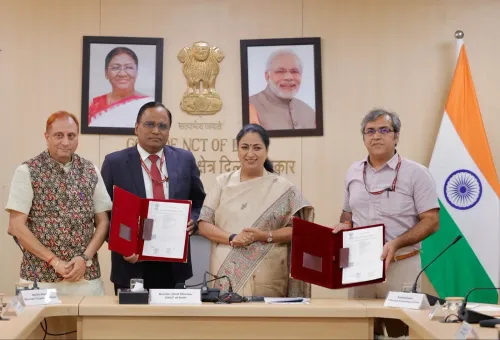
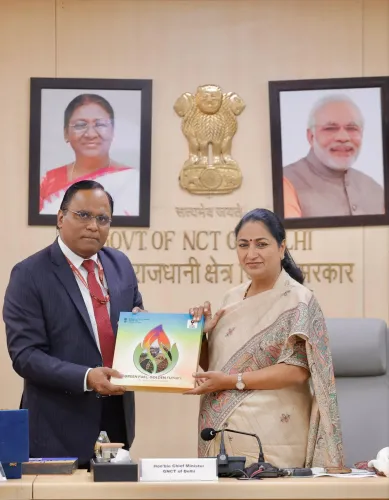
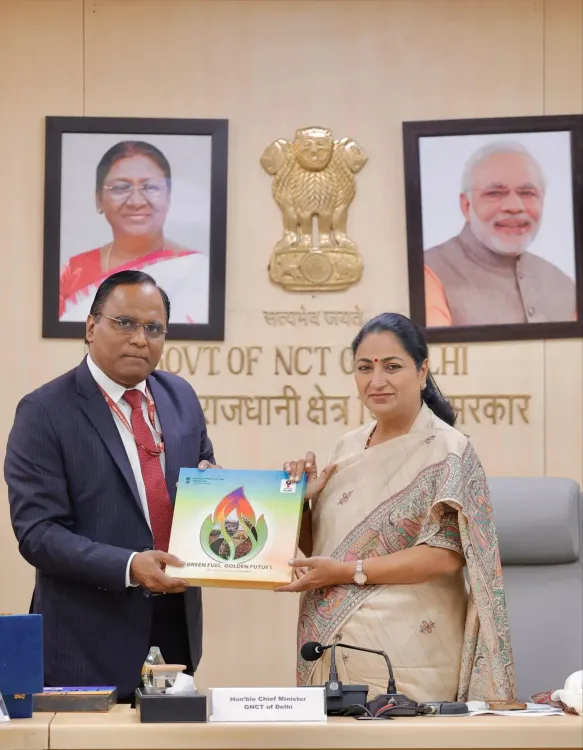
Delhi's war on its towering garbage mountains just got a new front. Delhi Chief Minister Rekha Gupta on Thursday, 30 July 2026, witnessed the signing of a Memorandum of Understanding between the Municipal Corporation of Delhi (MCD) and Oil India Limited (OIL) at the Delhi Secretariat — a pact aimed at turning the capital's segregated organic waste into compressed bio-gas at two new plants in Tehkhand and Okhla.
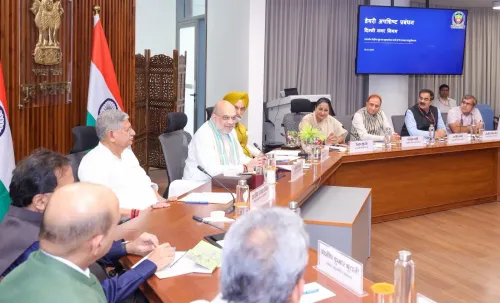
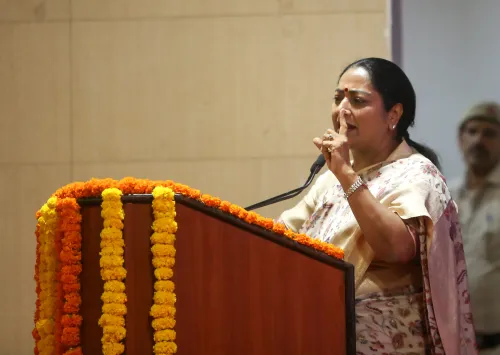
CM Gupta described the agreement as a step that will 'reduce garbage mountains, increase clean energy production, and strengthen our resolve for a Swachh Dilli (Clean Delhi).' MCD Mayor Pravesh Wahi was present at the signing alongside senior officials from both organisations.
Two Plants, One Persistent Problem
The plants — to come up at Tehkhand in south-east Delhi and Okhla in south Delhi — will process segregated biological waste into Compressed Bio-Gas (CBG). Okhla is home to one of Delhi's three major legacy landfill sites, a chronic source of methane emissions and public-health complaints for surrounding neighbourhoods. Channelling incoming organic waste into a CBG facility at the same location is a direct attempt to stop the pile from growing further while generating usable fuel.
Delhi generates over 10,000 tonnes of municipal solid waste daily. Despite years of policy push, the Okhla, Bhalswa, and Ghazipur landfills have remained stubborn fixtures on the city's skyline — and in its air-quality data. Any meaningful diversion of organic fraction waste at source represents a structural shift, not just an incremental fix.
OIL's CBG Push Under SATAT
Oil India Limited, a public sector upstream oil and gas company under the Ministry of Petroleum and Natural Gas, has been expanding into renewables and alternative fuels. Its involvement here fits squarely within the SATAT scheme — the Sustainable Alternative Towards Affordable Transportation initiative notified in 2018 — which directed oil PSUs and private players to set up CBG plants using municipal and agricultural waste. The scheme's logic: decentralise bio-gas production, reduce import dependence on natural gas, and give urban local bodies a commercial offtake partner for their waste streams.
The MCD, as Delhi's primary civic body for solid waste management, brings the waste feedstock and the land. OIL brings capital, technology partnerships, and a guaranteed route to market for the gas produced. That combination is precisely what SATAT was designed to incentivise.
What the MoU Means on the Ground
The agreement marks the planning and commitment stage — commissioning timelines, actual waste diversion volumes from the Okhla landfill, and integration with any existing waste-to-energy infrastructure at these sites will be the real metrics to track. The Swachh Bharat Mission, launched in 2014, has long mandated source segregation as a prerequisite for scientific processing; the effectiveness of these plants will depend directly on how well Delhi's ward-level segregation holds up in practice.
For a city that has watched waste-to-energy promises cycle through administrations without fully delivering, the OIL partnership introduces a commercially motivated player with a stake in operational success — and that changes the accountability equation.
Point of View
Shifting accountability beyond the civic body alone. For CM Rekha Gupta's BJP administration, it also visibly anchors Delhi's waste crisis to a central government scheme — SATAT — reinforcing policy continuity with New Delhi. The real test, however, will be commissioning speed: Delhi has seen waste-to-energy announcements stall at the MoU stage before, and Okhla's landfill has outlasted multiple such pledges. Whether OIL's commercial incentive proves a stronger driver than past municipal resolve is the question this agreement sets up.
NationPress
13 Sept 2026
Frequently Asked Questions
What is the MoU signed between MCD and Oil India Limited in Delhi?
The MoU signed on 30 July 2026 commits MCD and Oil India Limited to set up Compressed Bio-Gas plants at Tehkhand and Okhla in Delhi, where segregated organic waste will be converted into bio-gas.
Where will Delhi's new compressed bio-gas plants be located?
The two CBG plants will come up at Tehkhand in south-east Delhi and Okhla in south Delhi, both areas with existing waste management infrastructure.
What is the SATAT scheme and how does it relate to this project?
SATAT — Sustainable Alternative Towards Affordable Transportation — is a 2018 central government scheme that directs oil PSUs and private players to establish CBG plants using municipal and agricultural waste. Oil India Limited's involvement in the Delhi project falls under this framework.
How much municipal waste does Delhi generate daily?
Delhi generates over 10,000 tonnes of municipal solid waste every day, with legacy landfills at Okhla, Bhalswa, and Ghazipur remaining major environmental concerns.
What is Rekha Gupta's role in the Delhi CBG plant MoU?
Rekha Gupta, as Delhi Chief Minister, witnessed the MoU signing at the Delhi Secretariat and described the project as central to her administration's 'Swachh Dilli' (Clean Delhi) agenda.