Marcha Chuda GI tag fuels export surge from West Champaran
Synopsis
West Champaran's Marcha Chuda — an organically grown, peppercorn-shaped flattened rice with a signature aroma — has seen export demand spike after earning a GI tag. At ₹150/kg, it is now reaching five states and international markets, with one village producing 50–60 quintals a month and employing 100 people.
Key Takeaways
Marcha Chuda from West Champaran, Bihar has earned an official GI (Geographical Indication) tag , driving domestic and international demand.
The aromatic flattened rice sells for approximately ₹150 per kilogram , boosting farmer incomes.
It is currently exported to Uttar Pradesh, West Bengal, Odisha, Uttarakhand , and Jharkhand , as well as international markets.
Cultivated using traditional, organic methods without chemicals, the crop is sown in Sawan and harvested by late November .
One village alone produces 50–60 quintals per month, employing around 100 people ; producer Ramji Prasad's family has been in the trade since 1969 .
Demand for Marcha Chuda, the aromatic flattened rice cultivated in West Champaran, Bihar, has surged both domestically and internationally after the product earned an official Geographical Indication (GI) tag. The recognition has accelerated cultivation across Champaran's farmlands and opened new income streams for farmers who have grown this heritage grain for generations.
What Makes Marcha Chuda Unique
The most defining characteristic of Marcha Chuda is its distinctive aroma, which reportedly fills homes and entire villages during processing. Unlike flattened rice varieties grown elsewhere, Champaran's version draws its singular fragrance and flavour from the region's specific soil conditions. Farmers cultivate the crop using traditional, organic methods — without chemical inputs or synthetic fertilisers — preserving qualities that industrial cultivation cannot replicate.
The grain's shape further sets it apart: each kernel resembles a black peppercorn, which is the origin of the name 'Marcha' (the local word for pepper). Cultivation of Marcha paddy begins during the month of Sawan (roughly July–August), and the crop is ready for harvest by the end of November.
GI Tag and Its Impact on Demand
The GI tag has been a turning point, according to cultivators. Ramji Prasad, a Marcha Chuda producer whose family has been in the business since 1969, said the certification has helped consumers understand the product's provenance and qualities, distinguishing Champaran's variety from imitations grown in other regions. He urged fellow farmers to scale up production to capitalise on rising interest from both traders and buyers.
Marcha Chuda currently sells for approximately ₹150 per kilogram. Higher demand directly translates into better earnings for farmers and those employed in processing and trade.
Domestic and International Exports
The product is currently being transported to states including Uttar Pradesh, West Bengal, Odisha, Uttarakhand, and Jharkhand, with international shipments also under way. The expanding reach has intensified cultivation pressure on local farmlands, which farmers say they are meeting by increasing acreage under Marcha paddy.
From Hand-Pounding to Mechanised Production
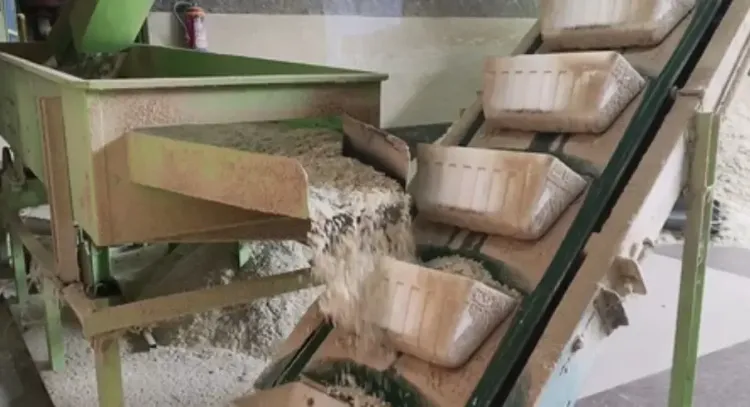
Ramji Prasad's family began producing Marcha Chuda entirely by hand — a labour-intensive process — until 1997, when machinery entered the workflow. Subsequent innovations have made production faster and more scalable. His village alone now produces approximately 50 to 60 quintals of Marcha Chuda every month, providing livelihoods to around 100 people.
As GI-backed agricultural products gain traction in premium domestic and global markets, Marcha Chuda's trajectory could offer a replicable model for other heritage food items from Bihar seeking formal recognition and market access.
Point of View
Traditionally processed grain without sacrificing the very qualities that earned the GI tag in the first place. If it can, this is a template; if it can't, rising demand will simply incentivise adulteration from outside the region.
NationPress
20 Sept 2026
Frequently Asked Questions
What is Marcha Chuda and why is it special?
Marcha Chuda is a variety of flattened rice (poha) grown exclusively in West Champaran, Bihar, known for its distinctive aroma and peppercorn-shaped grain. It is cultivated using traditional organic methods without chemicals, and its unique qualities are tied to Champaran's specific soil conditions.
What is the significance of the GI tag for Marcha Chuda?
The Geographical Indication (GI) tag officially certifies that only flattened rice from West Champaran can be sold as Marcha Chuda, protecting it from imitation products. According to cultivators, the tag has significantly raised consumer awareness and accelerated both domestic and international demand.
What is the current price of Marcha Chuda?
Marcha Chuda currently sells for approximately ₹150 per kilogram. The rising demand following the GI tag has increased income for farmers, processors, and traders involved in its cultivation and sale.
Which states and countries is Marcha Chuda being exported to?
Domestically, Marcha Chuda is being transported to Uttar Pradesh, West Bengal, Odisha, Uttarakhand, and Jharkhand. It is also being exported to international markets, though specific countries were not detailed by cultivators.
When is Marcha paddy cultivated and harvested?
Cultivation of Marcha paddy typically begins during the month of Sawan (approximately July–August), and the crop is ready for harvest by the end of November. Farmers use traditional, chemical-free methods throughout the growing cycle.