How Are Bihar’s Dahi–Chura Celebrations Highlighting Bhagalpur’s GI-Tagged ‘Katarni’?
Synopsis
Discover how Bhagalpur's traditional 'Katarni chura' has gained a new life with a GI tag, boosting local farmers' incomes and cultural pride during Makar Sankranti celebrations. This article explores the impact of this recognition on the community and the economy, highlighting the increasing demand for this unique flattened rice.
Key Takeaways
Katarni chura has regained popularity thanks to its GI tag.
Farmers' incomes have improved significantly.
The GI recognition has led to a notable increase in cultivation area.
Authentic Katarni rice commands premium pricing.
Consumer demand is rising, particularly during festivals.
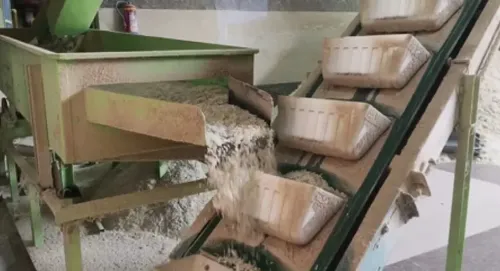
Bhagalpur (Bihar), Jan 13 (NationPress) The traditional Katarni chura (flattened rice) from Bhagalpur, Bihar has experienced an impressive revival following the granting of a Geographical Indication (GI) tag by the Government of India. This recognition has not only boosted its market appeal but has also led to a substantial increase in cultivation areas and a consistent rise in farmers’ earnings.
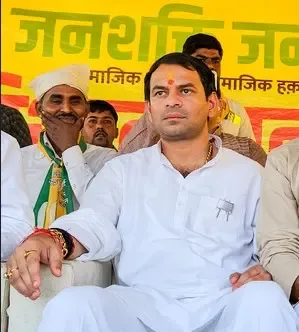
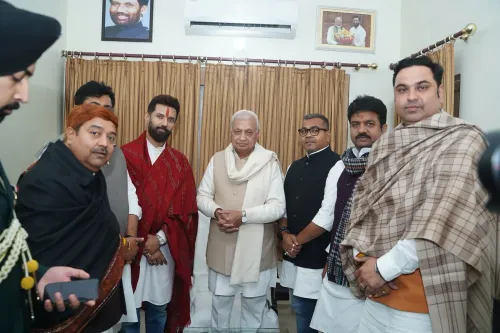
As the festival of Makar Sankranti is celebrated throughout Bihar, dahi–chura feasts are thriving, particularly in the homes of political leaders and notable figures. This year, the focus is on the GI-tagged Katarni chura from Bhagalpur, which is preferred for its unique aroma, flavor, and cultural significance.
The District Agriculture Officer (DAO) of Bhagalpur, Prem Shankar Prasad, stated that Katarni chura differentiates itself from other types due to its distinct scent and taste. “The GI tag has provided Katarni with a new identity. Its demand has surged not only within India but also in international markets,” he conveyed to IANS. He further mentioned that the GI recognition has revitalized the cultivation of Katarni paddy, which was previously at risk of disappearing.
Support from the government has also bolstered farmers’ confidence. Under a Bihar government scheme, farmers who cultivate Katarni paddy receive an incentive of Rs 6,000 per acre. “Previously, Katarni paddy was grown on around 1,200 acres. Today, that number has risen to over 5,000 acres,” Prasad noted, emphasizing that this growth has directly resulted in increased farm earnings.
The GI tag has also improved pricing. Authentic Katarni rice and chura are now priced between Rs 180 and Rs 200 per kilogram, significantly higher than in past years. Traders indicate that consumers are eager to pay extra for the genuine product due to its quality and cultural importance.
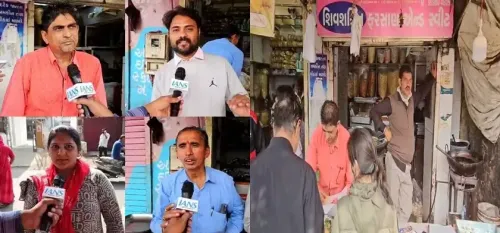
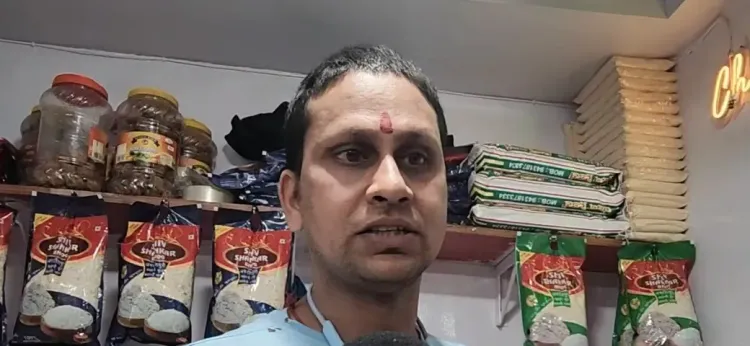
Bajrang Khemka, a wholesale trader of Katarni chura and rice in Bhagalpur, remarked that demand has skyrocketed during the festive season. “Since obtaining the GI tag through the initiative of Prime Minister Narendra Modi, customers specifically request authentic Katarni. Orders are flowing in from other states and even from overseas,” he stated.
Farmers are also benefiting from this surge. Chandan Kumar, a Katarni chura producer, farmer, and retailer, mentioned that heightened prices and government support have made Katarni cultivation profitable once more. “Previously, farmers were moving away from Katarni. Now, many are returning because their income has improved,” he expressed.
Consumers have embraced this shift as well. Local resident K.K. Dubey noted that Katarni chura has a taste and aroma that ordinary varieties cannot match. “That’s why people prefer it for festivals like Makar Sankranti,” he added.
Point of View
It's evident that the GI tagging of Katarni chura represents a significant cultural and economic revival for the region of Bhagalpur. This development not only benefits local farmers but also brings attention to the rich agricultural heritage of Bihar. The increasing demand highlights a growing trend towards valuing traditional products, which is a positive direction for both the economy and cultural identity.
NationPress
26 Sept 2026
Frequently Asked Questions
What is Katarni chura?
Katarni chura is a traditional flattened rice from Bhagalpur, Bihar, recognized for its unique aroma and taste.
Why is the GI tag important for Katarni chura?
The GI tag provides legal protection and recognition, enhancing its market demand and helping revive its cultivation.
How has the GI tag impacted farmers?
Farmers have experienced increased incomes and confidence due to enhanced demand and government incentives for cultivating Katarni paddy.
What are the price trends for Katarni rice?
Katarni rice and chura are currently sold at prices between Rs 180 and Rs 200 per kilogram, reflecting their premium quality.
How has consumer interest changed?
Consumers are increasingly seeking authentic Katarni chura for its unmatched taste and aroma, especially during festivals.