Jabalpuri Matar and Singhada get GI tags in India first
Synopsis
Jabalpur has become the first region in India to secure GI tags for both peas and water chestnut in a single recognition — a milestone that could unlock premium pricing and export access for thousands of Narmada Valley farmers. The dual certification, driven by a local farmer producer company, is as much an economic signal as an agricultural one.
Key Takeaways
Jabalpuri Matar and Jabalpur Singhada have been awarded Geographical Indication (GI) tags by the GI Registry, Chennai .
This is the first time in India that peas and singhada from any region have received GI protection.
The application was filed by Maikalsuta Farmer Producer Company Limited , Jabalpur.
Jabalpuri Matar is already listed under the Centre's One District-One Product (ODOP) scheme.
The GI tag is expected to enable premium pricing , expand export opportunities , and boost farmer incomes in the Narmada Valley region.
Legal protection is now in effect at both national and international levels following publication in the GI Registry's journal.
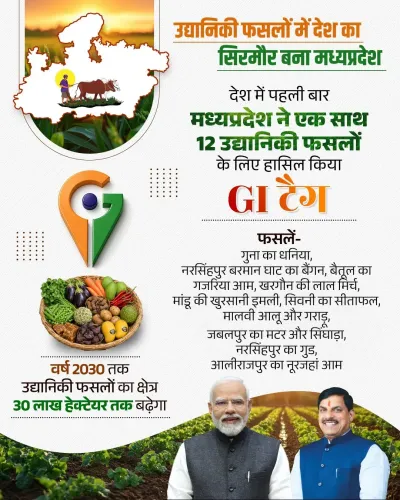
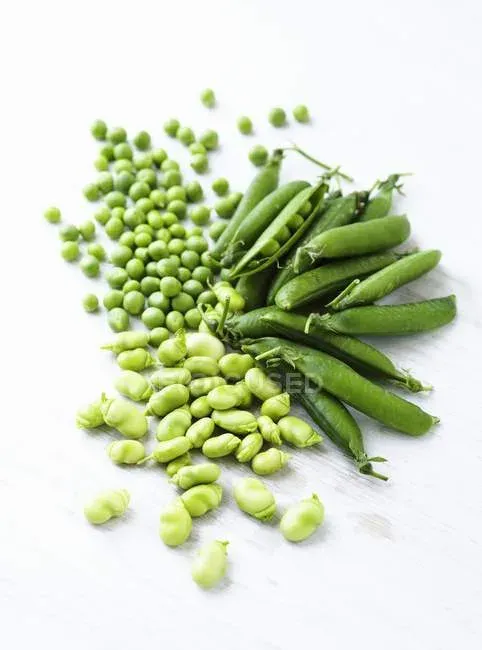
Jabalpuri Matar (peas) and Jabalpur Singhada (water chestnut) have been awarded the Geographical Indication (GI) tag by the GI Registry in Chennai, government officials confirmed on Friday, 26 June. In a historic first for Indian agriculture, Jabalpur becomes the only region in the country where both peas and singhada have received official GI protection simultaneously.
A Historic First for Indian Agriculture
The GI tag, granted following an application by Maikalsuta Farmer Producer Company Limited based in Jabalpur, has been formally published in the GI Registry's journal — conferring legal protection on both crops at national and international levels. Agricultural experts and horticulture officials have described the dual recognition as groundbreaking, noting that no other Indian region had previously secured GI status for either of these crops.
Jabalpuri Matar was already part of the Centre's One District-One Product (ODOP) scheme, which had elevated its profile among traders and buyers. The GI tag now adds a formal layer of authentication, reinforcing its brand value and origin-linked identity.
What Makes Jabalpur's Produce Distinctive
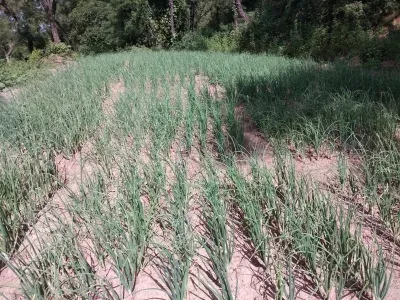
Agricultural experts attribute the exceptional quality, flavour, and productivity of both crops to the Narmada Valley's nutrient-rich soils and unique microclimate. The fertile alluvial land nourished by the Narmada river creates growing conditions that are difficult to replicate elsewhere — a key criterion for GI certification.
For years, Jabalpuri peas and singhada have commanded strong demand not only within Madhya Pradesh but also across other states, owing to their superior taste and consistent quality. The GI tag now provides legal backing to that reputation, shielding producers from imitation and misrepresentation.
Impact on Farmers and Local Economy
Experts believe the certification will encourage traders — domestic and international — to offer premium prices to farmers, directly boosting rural incomes. The GI tag is also expected to unlock fresh export opportunities and improve market visibility for Jabalpur's growers.
Local agricultural bodies anticipate that the recognition will incentivise more farmers to adopt scientific cultivation methods, preserve traditional crop varieties, and invest in value addition. Broader benefits, they say, could include growth in agro-tourism and the positioning of Jabalpur as a hub for high-value, geographically authenticated produce.
What Comes Next
Farmers and stakeholders across the region have welcomed the development, viewing it as a transformative step toward sustainable agricultural growth and global recognition. With the GI Registry publication now complete, producers can begin leveraging the tag in domestic and export markets. The recognition places Jabalpur prominently on India's agricultural map and sets a precedent for other regions seeking GI protection for horticultural crops.
Point of View
And its value will depend entirely on how aggressively the state and farmer collectives deploy it. GI status has a patchy track record in India: Darjeeling tea and Basmati rice have leveraged theirs effectively, but dozens of other tagged products remain obscure because branding and export infrastructure never followed. Madhya Pradesh must ensure that Maikalsuta Farmer Producer Company and allied bodies receive the trade facilitation support needed to convert legal protection into actual premium realisation at the farm gate. Without that, this milestone risks remaining a press release rather than a livelihood shift.
NationPress
25 Sept 2026
Frequently Asked Questions
What is the GI tag awarded to Jabalpur's peas and singhada?
The Geographical Indication (GI) tag is a legal certification granted by the GI Registry in Chennai that recognises a product's unique quality and reputation as linked to its geographical origin. Jabalpuri Matar (peas) and Jabalpur Singhada (water chestnut) received this tag on 26 June, making Jabalpur the first region in India to secure GI protection for both crops.
Why is this GI tag significant for Jabalpur?
It is the first time in India that peas and singhada from any region have been granted GI tags, placing Jabalpur in a unique position on the country's agricultural map. The certification provides legal protection against imitation and is expected to enable premium pricing and new export opportunities for local farmers.
Who applied for the GI tag on behalf of Jabalpur farmers?
Maikalsuta Farmer Producer Company Limited, a Jabalpur-based farmer collective, filed the application with the GI Registry in Chennai for both Jabalpuri Matar and Jabalpur Singhada.
How will the GI tag benefit farmers in the Narmada Valley?
Experts say the certification will encourage domestic and international traders to offer better prices, directly boosting farmer incomes. It also opens doors to export markets, incentivises scientific cultivation, and supports value addition for both crops.
What makes Jabalpuri peas and singhada unique?
Agricultural experts attribute their distinctive flavour and high productivity to the nutrient-rich soils and unique microclimate of the Narmada Valley. The fertile alluvial land nourished by the Narmada river creates growing conditions that are considered difficult to replicate in other regions.