Pralhad Joshi Greets Karnataka Farmers on Seeghe Hunnime
Synopsis
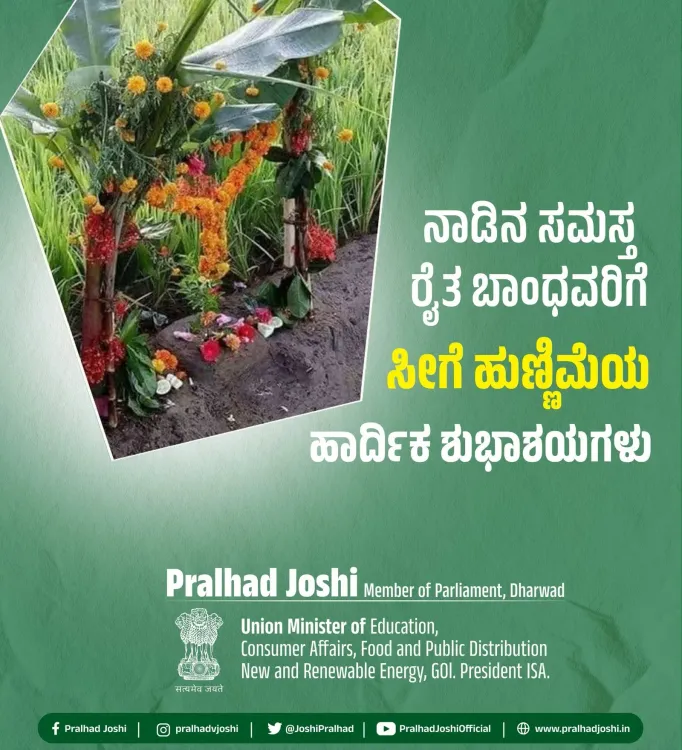
Union Minister Pralhad Joshi extended Seeghe Hunnime greetings to Karnataka farmers and families on 26 October 2026, describing the full-moon festival as a symbol of the state's folk heritage and the enduring bond between people and nature.
Key Takeaways
Pralhad Joshi posted Seeghe Hunnime greetings in Kannada on 26 October 2026 .
Seeghe Hunnime is a traditional Karnataka full-moon festival deeply tied to the agricultural community and folk culture.
Joshi called the festival a symbol of Karnataka's 'rich culture, heritage and folk traditions' and its bond with nature.
He wished every family in the state happiness, peace, health, and prosperity.
The message was directed specifically at the farming community ( raitapi varga ) alongside the general public.
No new policy or scheme was announced — the message was purely a cultural greeting from a senior Karnataka BJP leader.
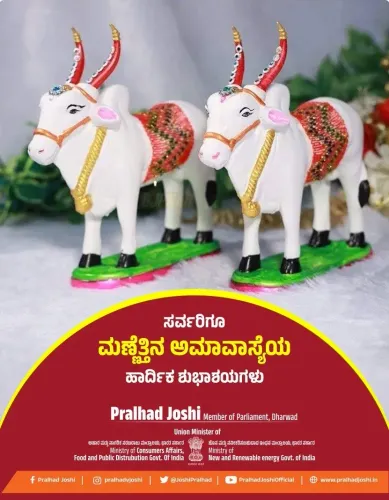
On the occasion of Seeghe Hunnime, the traditional full-moon festival celebrated by farming communities across Karnataka, Union Consumer Affairs Minister Pralhad Joshi extended warm wishes to every farmer and family in the state on Monday, 26 October 2026.
Writing in Kannada, Joshi described Seeghe Hunnime as a symbol of the state's rich culture, heritage, and folk traditions — and of the inseparable bond between people and nature. 'ನಮ್ಮ ನಾಡಿನ ಶ್ರೀಮಂತ ಸಂಸ್ಕೃತಿ, ಪರಂಪರೆ ಹಾಗೂ ಜನಪದ ಆಚರಣೆಗಳ ಪ್ರತೀಕ' ['a symbol of our land's rich culture, heritage and folk traditions'], he wrote, before praying for happiness, peace, health, and prosperity in every household — and for a new ray of hope and joy in the lives of farmers and all people.
What Seeghe Hunnime Means to Karnataka's Rural Communities
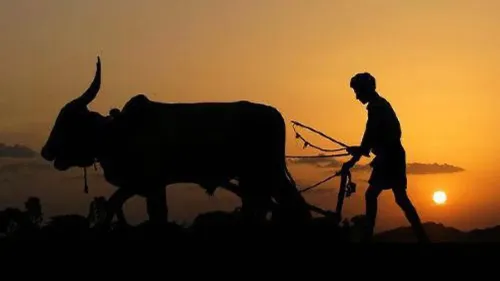
Seeghe Hunnime is a Karnataka agrarian festival observed on a full-moon night, rooted in the region's folk calendar. It marks the intertwining of rural life with seasonal rhythms and carries deep cultural resonance for farming families who depend on nature's cycles for their livelihoods. The festival is not a public holiday but a community observance — prayers, folk rituals, and a collective acknowledgement of the land that sustains the state.
For Karnataka's vast farming communities, such festivals carry both spiritual and social weight. They are moments when the agricultural calendar pauses and communities reaffirm shared values — exactly the sentiment Joshi's message invoked.
A Karnataka BJP Leader Speaking Directly to His Base
Pralhad Joshi, a senior BJP leader from Karnataka and a Union Cabinet minister holding portfolios in Consumer Affairs, Food and Public Distribution, and New and Renewable Energy, is known for regularly engaging with the state's cultural calendar. Addressing constituents in Kannada on regional agrarian festivals is a consistent pattern among Karnataka's elected representatives across party lines — a signal of cultural belonging as much as political outreach.
The message carried no policy announcement, no scheme launch. It was, plainly, a mark of respect for a tradition that has shaped Karnataka's rural identity for generations.
Point of View
Particularly in states where agricultural sentiment shapes electoral outcomes. While the post carries no policy weight, it is part of a steady cadence of cultural outreach that keeps regional leaders visible to their base even from Delhi. The choice of Kannada over Hindi or English is itself a message.
NationPress
26 Oct 2026
Frequently Asked Questions
What is Seeghe Hunnime?
Seeghe Hunnime is a traditional full-moon festival celebrated in Karnataka, rooted in the state's folk culture and agrarian calendar. It symbolises the bond between farming communities and nature and is marked by folk rituals and community observances.
Why did Pralhad Joshi post about Seeghe Hunnime?
As a senior BJP leader from Karnataka, Joshi regularly acknowledges regional cultural and agrarian festivals. His Seeghe Hunnime post was a goodwill greeting directed at Karnataka farmers and families, celebrating the state's folk heritage.
Who is Pralhad Joshi?
Pralhad Joshi is a Union Cabinet minister holding the portfolios of Consumer Affairs, Food and Public Distribution, and New and Renewable Energy. He is a senior BJP leader from Karnataka.
Did Pralhad Joshi announce any new scheme for farmers on Seeghe Hunnime?
No. His post was a cultural greeting and did not include any policy announcement, scheme launch, or government programme.
Which communities celebrate Seeghe Hunnime in Karnataka?
Seeghe Hunnime is primarily observed by rural and farming communities across Karnataka. It is part of the state's folk tradition and is particularly significant for those whose lives are tied to agricultural cycles.