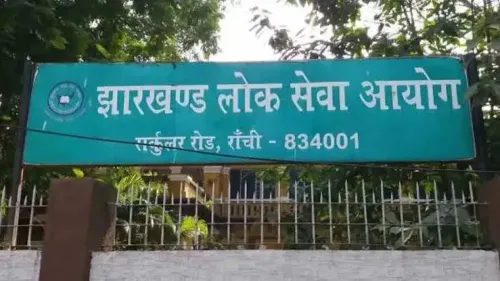
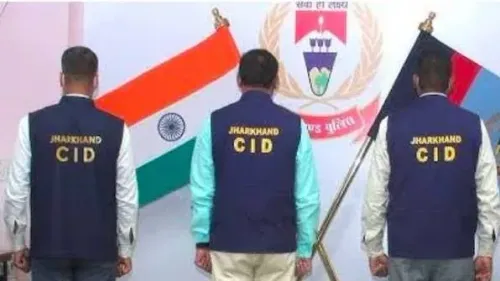
JPSC scam: CID files first charge sheet against 5, exposes OMR manipulation ring
Synopsis
Jharkhand's CID has unmasked a full-blown 'merit syndicate' inside the JPSC — complete with a price list, OMR sheet hacking via backend servers, WhatsApp answer key leaks, and collateral demands on candidates. With five accused charge-sheeted just before the default bail window closed, the first hearing on 26 October will test how deep the network runs.
Key Takeaways
The CID filed its first charge sheet against five accused in the JPSC scam before a Ranchi court on 22 October 2025 , just before the 90-day statutory deadline.
Named accused include then-Deputy Controller of Examinations Shweta Kumari Gupta , alleged mastermind Ramveer Singh (alias R.V.
Singh), and kingpin Abhay Kumar Tiwari (alias Manoj Kumar Tiwari).
A 'rate card' was in place: ₹5 lakh for the prelims, ₹10–15 lakh for the mains, and ₹60–70 lakh for final selection.
FSL reports confirmed OMR sheets were left blank and later filled by manipulating scanning systems and backend servers directly.
The confidential answer key was leaked via WhatsApp ; flight tickets for Delhi and Bengaluru were allegedly booked as payment for the then-Deputy Controller.
The court's first hearing is set for 26 October ; a supplementary charge sheet against remaining suspects is in preparation.
The Criminal Investigation Department (CID) of Jharkhand filed its first formal charge sheet on Wednesday, 22 October 2025, naming five key accused in the Jharkhand Public Service Commission (JPSC) examination scam before a Ranchi court. The filing, made just ahead of the 90-day statutory deadline, exposes an organised network that allegedly manipulated OMR sheets, leaked confidential answer keys, and sold merit to unqualified candidates for sums reaching up to ₹70 lakh per selection.
The Five Accused Named in the Charge Sheet
The five primary accused identified in the charge sheet are: Shweta Kumari Gupta, then Deputy Controller of Examinations; Ramveer Singh (alias R.V. Singh), director of the agency TDPL and described as the alleged mastermind of the scheme; Abhay Kumar Tiwari (alias Manoj Kumar Tiwari), the purported marketing manager and kingpin; and agency staff members Md. Usman and Md. Ebad.
The timely filing of the charge sheet effectively bars the arrested accused from seeking 'default bail' — a legal remedy available when an agency fails to submit a charge sheet within the prescribed period. The CID is also preparing a supplementary charge sheet against remaining suspects and candidates alleged to have benefited from the scam.
How the 'Merit Syndicate' Operated
According to the CID's case diary and investigation report submitted to the court, the accused ran what investigators have described as an organised 'merit syndicate' that systematically compromised the JPSC examination process. A structured 'rate card' was allegedly in place: ₹5 lakh to clear the preliminary examination, ₹10–15 lakh to inflate marks in the main examination and interviews, and between ₹60–70 lakh to secure final selection.
Candidates were allegedly required to surrender original academic documents, blank cheques, and signed blank sheets as collateral — effectively held hostage to the syndicate's demands.
OMR Manipulation and Answer Key Leak
Findings from the Forensic Science Laboratory (FSL) and analysis of seized digital devices confirmed that OMR answer sheets were deliberately left blank by candidates, then filled in later by manipulating the scanning process and accessing the backend server directly. This made the tampering difficult to detect at the physical examination stage.
Additionally, the confidential answer key was allegedly leaked via WhatsApp before its official release. As payment, according to the investigation report, flight tickets to Delhi and Bengaluru were booked for the then-Deputy Controller of Examinations and family members.
Legal Provisions and Next Steps
The CID has registered the case under provisions of the Bharatiya Nyaya Sanhita (BNS) and stringent sections of the Jharkhand Competitive Examination Act, 2023. The court has fixed 26 October as the date for the first official hearing in the matter.
Investigators say they are continuing to expand the probe to identify other individuals involved, including candidates who allegedly paid to secure positions. The supplementary charge sheet covering remaining suspects is expected to follow in the coming weeks.
Point of View
From the examination hall to the backend server, was apparently for sale. The 'rate card' detail is particularly damning: it reveals a professionalised market for government jobs, not opportunistic cheating. The use of backend server manipulation to fill blank OMR sheets shows technical sophistication that raises serious questions about the IT and security audit frameworks the commission had in place. With candidates themselves named as likely accused in the supplementary sheet, the CID's expanding probe risks exposing just how normalised merit-buying has become in competitive examination ecosystems — a pattern Jharkhand shares with several other states.
NationPress
22 Oct 2026
Frequently Asked Questions
What is the JPSC scam and what charges have been filed?
The JPSC scam refers to a large-scale fraud in the Jharkhand Public Service Commission examination system involving OMR sheet manipulation, confidential answer key leaks, and the selling of merit to unqualified candidates. The CID filed its first charge sheet on 22 October 2025 against five key accused under the Bharatiya Nyaya Sanhita and the Jharkhand Competitive Examination Act, 2023.
Who are the five accused named in the JPSC charge sheet?
The five accused are Shweta Kumari Gupta (then Deputy Controller of Examinations), Ramveer Singh alias R.V. Singh (director of agency TDPL and alleged mastermind), Abhay Kumar Tiwari alias Manoj Kumar Tiwari (alleged kingpin), and agency staff Md. Usman and Md. Ebad.
How did the JPSC merit syndicate allegedly work?
According to the CID's investigation report, a structured 'rate card' was in operation: ₹5 lakh for clearing the preliminary exam, ₹10–15 lakh to inflate mains and interview marks, and ₹60–70 lakh to secure final selection. Candidates were also made to submit original documents and blank cheques as collateral.
How were OMR sheets manipulated in the JPSC scam?
Forensic Science Laboratory findings and analysis of seized digital devices confirmed that OMR sheets were deliberately left blank by candidates and subsequently filled by manipulating the scanning process and accessing the backend server directly. The confidential answer key was also leaked via WhatsApp before its official release.
What happens next in the JPSC scam case?
The Ranchi court has set 26 October as the date for the first official hearing. The CID is also preparing a supplementary charge sheet against remaining suspects and candidates who allegedly benefited from the scam, with the probe continuing to expand.