Justice Swarna Kant Sharma Denies Kejriwal's Recusal Request in Excise Policy Case

Synopsis
In a significant ruling, Justice Swarna Kant Sharma of the Delhi High Court has firmly rejected Arvind Kejriwal's recusal plea regarding the excise policy case, emphasizing the imperative of maintaining judicial integrity. This decision highlights the importance of impartiality in the courtroom.
Key Takeaways
Judicial Integrity: Justice Sharma's ruling highlights the importance of integrity within the judicial system.
Recusal Standards: Recusal cannot be justified on mere personal perceptions.
Ongoing Investigations: The excise policy case continues amid CBI challenges.
Public Trust: The ruling aims to maintain trust in the judiciary.
Impartiality: A judge's role is crucial in ensuring fair legal proceedings.
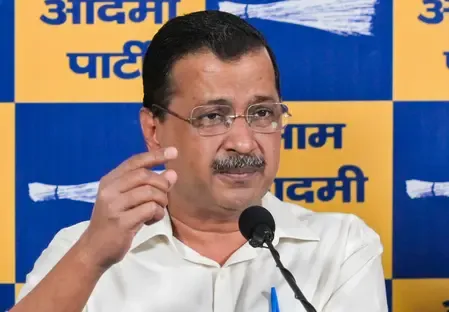
New Delhi, April 20 (NationPress) Justice Swarana Kanta Sharma of the Delhi High Court dismissed a recusal request made by Arvind Kejriwal, the national convenor of the Aam Aadmi Party (AAP), regarding her involvement in the ongoing alleged Delhi Excise Policy case.
In her ruling, Justice Sharma emphasized that although stepping back might have seemed like the simpler option, she opted to address the matter substantively for the sake of institutional integrity.
"As I began drafting the judgment, a hush fell over the courtroom," Justice Sharma noted, highlighting that the case posed not only a legal issue but also put the judiciary and its reputation on trial.
The Delhi High Court reiterated that a judge's impartiality is assumed unless credible evidence suggests otherwise, stating that recusal cannot be justified based solely on a litigant's "personal suspicion or perception".
A litigant cannot be allowed to undermine the judicial process. Justice Sharma asserted, "A falsehood, no matter how frequently it is repeated in court or on social media, does not transform into the truth."
Concerning the accusations leveled by Kejriwal, the judge pointed out that there was no evidence to support claims of bias, including those related to her involvement in events organized by the Adhivakta Parishad or her family members' professional engagements.
"The events were apolitical. Being invited to give a lecture does not imply any political prejudice on my part," she stated, adding that no connection was shown between her relatives’ empanelment as government counsel and the current case.
In response to claims that her earlier rulings had been overturned by the Supreme Court, Justice Sharma clarified that no negative conclusions had been drawn against her judgments.
Citing cases involving AAP figures such as Manish Sisodia and Sanjay Singh, she noted that the Supreme Court's interim relief did not equate to a rejection of her reasoning.
Justice Sharma mentioned that previous interim relief granted to AAP leaders, including Kejriwal and Raghav Chadha, had occurred without any bias allegations being raised at that time.
"Judicial practices accepted without objection when an order favors a party cannot be disputed when it turns against them," she remarked.
The judge warned that upholding such grounds for recusal could have serious constitutional implications and risk public trust in the judiciary.
"A courtroom cannot serve as a stage for perceptions. If such requests are entertained, it would lead to 'justice managed' rather than justice served," she stated.
Justice Sharma dismissed the claims as "conjectures and insinuations", asserting that there was no significant conflict of interest or evidence warranting her recusal.
"The recusal request was not supported by facts; it was filled with unfounded allegations against my integrity," she remarked, emphasizing that a judge cannot forsake their duties in the face of baseless claims.
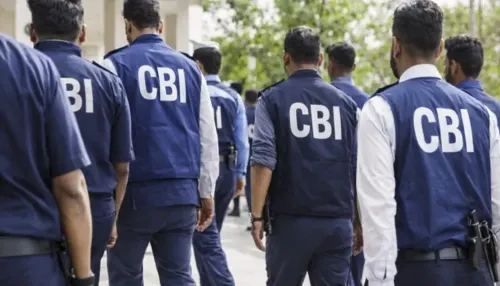
This ruling comes amid ongoing judicial proceedings concerning a criminal revision petition filed by the Central Bureau of Investigation (CBI), which is challenging a trial court's decision to discharge all 23 defendants, including Kejriwal and former Deputy Chief Minister Manish Sisodia, in the corruption case tied to the now-repealed excise policy.
On March 9, Justice Sharma's single-judge bench had issued a notice to the accused regarding the CBI's challenge to the discharge order made by the Rouse Avenue Court. She also placed a stay on the trial court’s order that mandated departmental action against a CBI officer involved in the investigation, along with critical remarks directed at the probe agency.
Additionally, the Chief Justice of the Delhi High Court rejected Kejriwal's request to transfer the CBI’s revision petition concerning the excise policy case away from Justice Sharma's bench.
The Registrar General informed Kejriwal that Chief Justice Devendra Kumar Upadhyaya, as the roster's head, saw no grounds for reassigning the case.
"The petition is allocated to the Hon’ble judge as per the current roster. Any recusal decision rests solely with the Hon’ble judge. I find no reason to transfer the petition administratively," the communication stated.
In his March 11 request, Kejriwal expressed concern that retaining the case before Justice Sharma might hinder an impartial and fair hearing.
Point of View
This ruling by Justice Sharma underscores the judiciary's unwavering commitment to integrity. By rejecting the recusal plea, the court reinforces its stance on impartiality, essential for maintaining public confidence in legal proceedings.
NationPress
19 Sept 2026
Frequently Asked Questions
What was the basis of Kejriwal's recusal request?
Kejriwal's recusal request was based on perceived bias stemming from Justice Sharma's previous engagements and decisions related to the case.
What did Justice Sharma emphasize in her ruling?
Justice Sharma emphasized the importance of judicial integrity and that recusal cannot be based solely on personal perceptions of bias.
What is the status of the ongoing excise policy case?
The case is currently under review following a criminal revision petition filed by the CBI, challenging a trial court's discharge order for all accused.
How did Justice Sharma respond to accusations of bias?
Justice Sharma stated that the allegations lacked credible evidence and affirmed her role as a judge must remain intact despite unfounded claims.
What are the implications of this ruling?
The ruling reinforces the necessity of maintaining judicial integrity and public trust in the legal system.