Karnataka Cabinet Key Decisions: CM DK Shivakumar Chairs Meeting
Synopsis
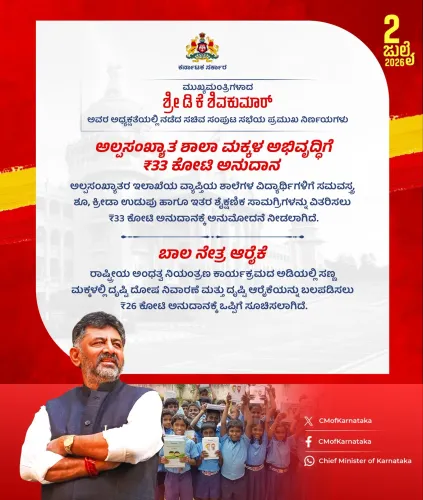
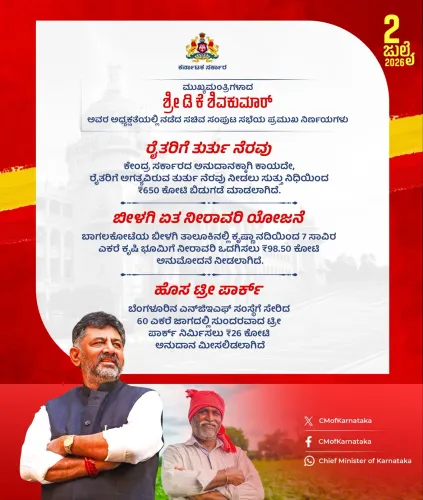
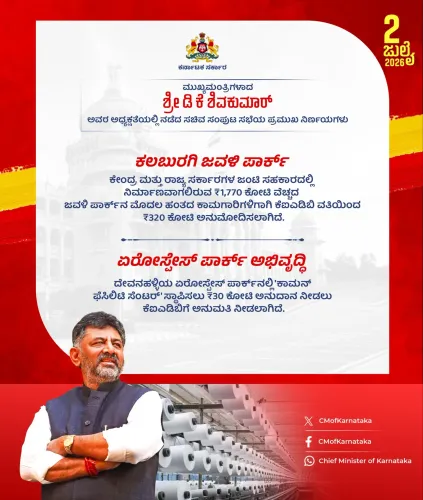
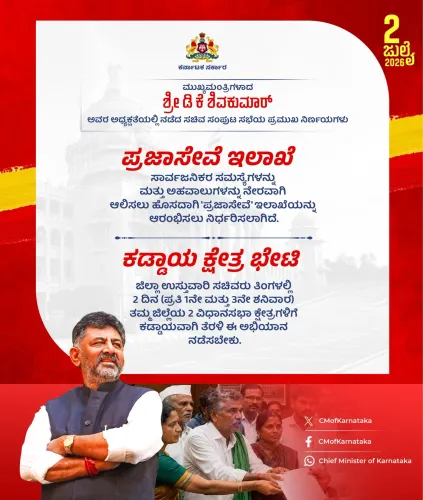
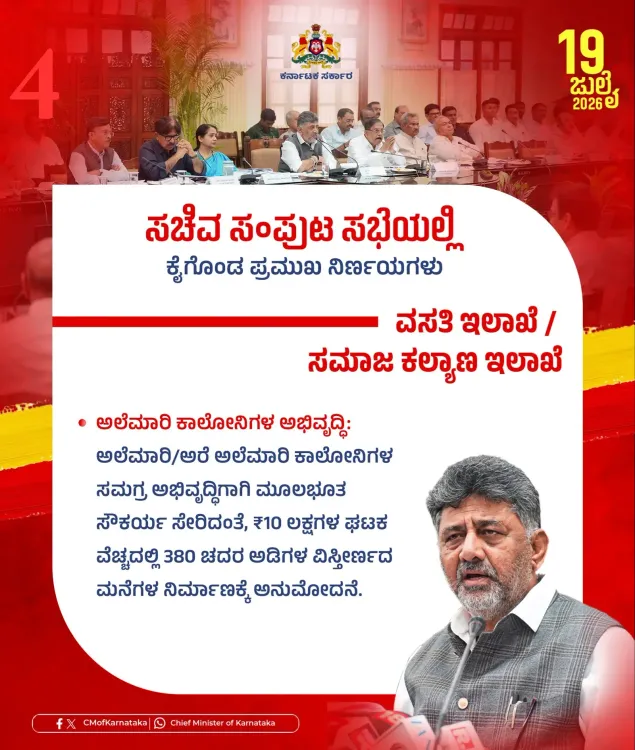
The Chief Minister's Office of Karnataka posted the second part of a thread on 19 July 2026 listing key decisions from a cabinet meeting chaired by CM D K Shivakumar, with three images detailing the resolutions and a final part of the thread still to follow.
Key Takeaways
The Chief Minister's Office of Karnataka posted cabinet decisions on 19 July 2026 via an official X thread.
The meeting was chaired by Chief Minister D K Shivakumar , a senior Congress leader.
The post is the second of three in a numbered thread, with specific decisions carried in three attached images .
The thread is in Kannada , the state's primary language, making decisions directly accessible to residents.
Formal government orders are expected to follow in subsequent days to operationalise the cabinet's resolutions.
The Chief Minister's Office of Karnataka on Sunday, 19 July 2026 shared a thread on X outlining the major decisions taken at a cabinet meeting chaired by Deputy Chief Minister D K Shivakumar, marking the second in a series of posts detailing the outcomes of the ministerial council session.
Context
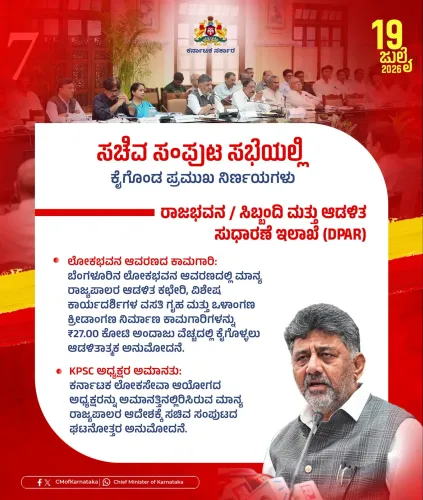
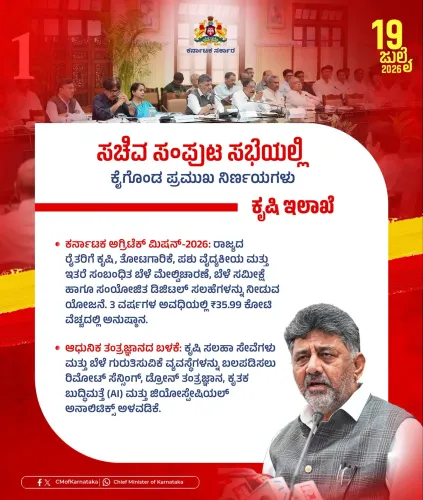
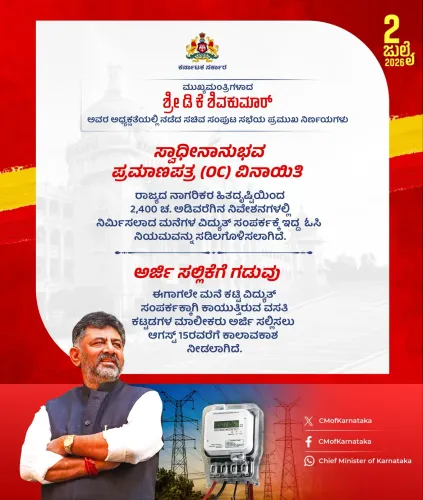
The post, marked 2/3 in a numbered thread, was published by the official Chief Minister's Office of Karnataka account. The Kannada-language text translates to: 'ಸನ್ಮಾನ್ಯ ಮುಖ್ಯಮಂತ್ರಿಗಳಾದ ಶ್ರೀ @DKShivakumar ಅವರ ಅಧ್ಯಕ್ಷತೆಯಲ್ಲಿ ನಡೆದ ಸಚಿವ ಸಂಪುಟ ಸಭೆಯಲ್ಲಿ ಕೈಗೊಂಡ ಪ್ರಮುಖ ನಿರ್ಣಯಗಳು ಇಂತಿವೆ' ['The key decisions taken at the cabinet meeting chaired by the honourable Chief Minister Sri D K Shivakumar are as follows']. The post was accompanied by three images that are expected to carry the specific decisions in text form.
The thread format — with decisions spread across multiple numbered posts — is a standard communications practice used by the Government of Karnataka to publicise cabinet outcomes through official channels.
Policy Backdrop
Karnataka governments have used official social media handles to communicate cabinet decisions since at least the 2010s, ensuring immediate public access to executive outcomes without waiting for formal press conferences. The Karnataka Cabinet, the state's council of ministers, is the apex executive body that approves policy decisions, welfare programmes, and infrastructure allocations.
D K Shivakumar, a senior Congress leader, chairs these cabinet sittings in his capacity as Chief Minister. Cabinet meetings in Indian states typically clear files spanning administration, welfare, revenue, and public works, with formal government orders issued subsequently to operationalise the decisions.
Stakeholders and Impact
The decisions announced through this thread directly concern Karnataka's residents, government departments, and implementing agencies. Cabinet resolutions carry executive authority and set in motion departmental action, budget allocations, and legislative or regulatory changes as required.
The use of a Kannada-language thread ensures accessibility for the state's primary linguistic community, reinforcing the government's communication outreach to citizens in their native language.
What's Next
The third and final part of the thread — 3/3 — is expected to carry additional decisions from the same cabinet meeting, completing the official disclosure of outcomes. Formal government orders are typically issued in the days following a cabinet meeting to give legal effect to the decisions announced.
Citizens and departments will watch for the full list of decisions once all parts of the thread are published, as well as any subsequent budget notifications or policy circulars that follow from the cabinet's resolutions.
Point of View
Vernacular-first public communication. By attributing the chair to CM D K Shivakumar, the post reinforces his executive authority at a time when the Congress government in Karnataka is keen to project administrative momentum. The thread format — with decisions spread across images rather than plain text — limits immediate searchability but maximises visual impact on social media. The full significance of the meeting will only be clear once the complete list of decisions is available and corresponding government orders are issued.
NationPress
19 Oct 2026
Frequently Asked Questions
What decisions were taken in the Karnataka cabinet meeting on 19 July 2026?
The specific decisions have been shared by the Chief Minister's Office of Karnataka in a three-part thread on X, with details carried in attached images. The full list will be known once all parts of the thread are published.
Who chaired the Karnataka cabinet meeting?
Chief Minister D K Shivakumar chaired the cabinet meeting, as stated in the official post by the Chief Minister's Office of Karnataka.
Why does the Karnataka government post cabinet decisions on X?
The Government of Karnataka has used official social media channels since at least the 2010s to give citizens immediate access to cabinet outcomes, complementing formal press briefings and government orders.
What language was the Karnataka cabinet post written in?
The post was written in Kannada, Karnataka's primary official language, to ensure accessibility for the state's residents.
When will the full list of Karnataka cabinet decisions be available?
The third and final part of the thread is expected to complete the disclosure. Formal government orders operationalising the decisions are typically issued within days of a cabinet meeting.