Karnataka CMO Announces Swearing-In Ceremony of CM and Ministers
Synopsis
The Chief Minister's Office of Karnataka announced a live broadcast of the oath-taking ceremony of the state's Chief Minister and ministers on 3 June 2026, marking the formal installation of a new executive in Bengaluru and setting the stage for portfolio allocation and the first cabinet meeting.
Key Takeaways
The Karnataka CMO announced the oath-taking ceremony of the Chief Minister and ministers on 3 June 2026 .
The Kannada-language post linked to a live broadcast on X for public viewing.
Oaths in Indian states are administered by the Governor under Articles 163 and 164 of the Constitution.
The previous full transition followed the 2023 Karnataka Assembly elections in May 2023.
Portfolio distribution, the first cabinet meeting and the Governor's address are the next procedural milestones.
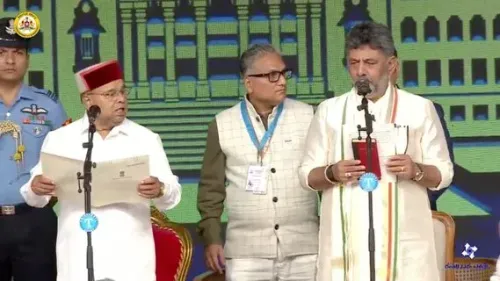
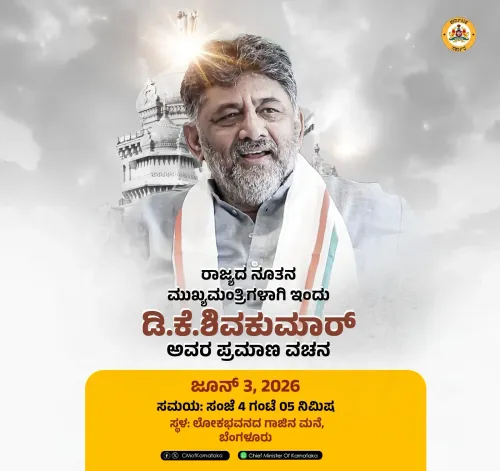
The Chief Minister's Office of Karnataka on Wednesday, 3 June 2026, announced a live broadcast of the oath-taking ceremony of the state's Chief Minister and Council of Ministers, marking the formal installation of a new executive in Bengaluru. The post, written in Kannada, referred to the event as 'Maanya Mukhyamantrigala haagu Sachivara Pramana Vachana Sweekara Samarambha' (Honourable Chief Minister and Ministers' Oath-Taking Ceremony) and carried a link to a live broadcast on X.
Context
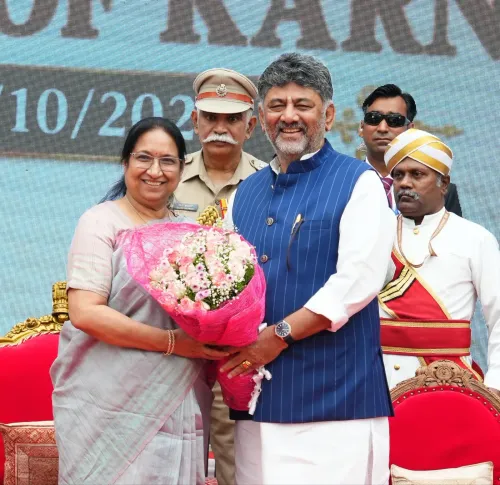
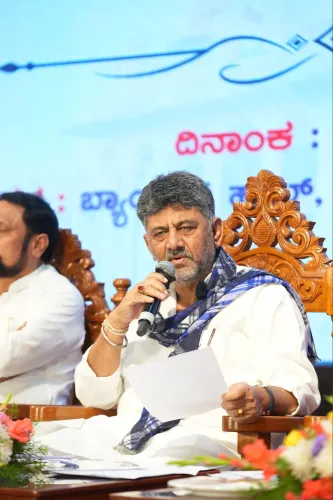
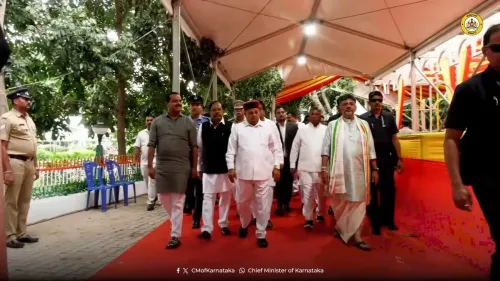
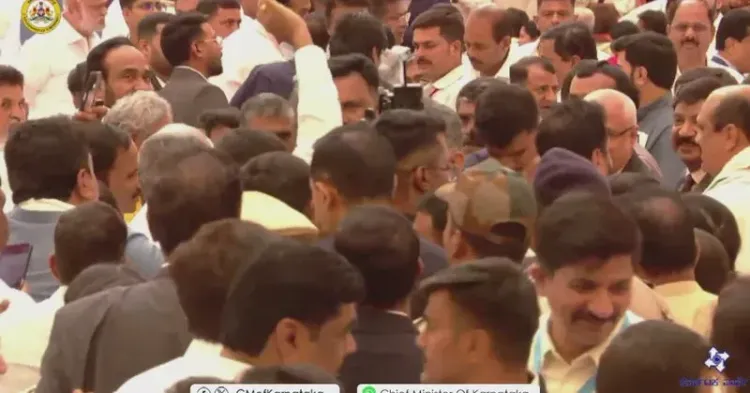
The announcement positions the swearing-in as a publicly accessible constitutional moment, streamed directly from the official handle of the state's top office. The accompanying image and broadcast link indicate that the Chief Minister's Office sought to project the ceremony as a state-wide civic event rather than a closed political function.
Oath-taking ceremonies in India are governed by Articles 163 and 164 of the Constitution, under which the Governor administers the oath of office and secrecy to the Chief Minister and ministers. The ceremony formally activates the Council of Ministers and clears the way for portfolio allocation and the first cabinet meeting.
Policy backdrop
Karnataka's last full transition of executive power followed the 2023 Karnataka Legislative Assembly elections, after which a Congress-led government was sworn in during May 2023. Swearing-in events in the state typically follow assembly polls held every five years, or cabinet reconstitutions triggered mid-term.
The post itself does not specify the political trigger for the June 2026 ceremony, the identity of the incoming Chief Minister, or the size of the ministerial team. The Chief Minister's Office confined its messaging to the procedural announcement and the live link.
Stakeholders and impact
The immediate stakeholders are the newly elected or re-inducted MLAs joining the state cabinet, the bureaucracy that will receive new political principals, and citizens who depend on continuity in welfare delivery, infrastructure projects and fiscal commitments already in motion.
For the state's administrative machinery, the ceremony triggers a reset: file movement pauses briefly before portfolios are allocated, and departmental priorities are recalibrated in line with the incoming leadership's stated agenda. Local bodies, public sector undertakings and the police hierarchy typically await fresh directions in the days that follow.
Political stakeholders across parties will watch the composition of the cabinet for signals on regional balance, caste arithmetic and seniority management — recurring considerations in Karnataka's coalition and intra-party dynamics. The choice of venue, the guest list and the sequencing of oaths often carry their own political subtext.
What's next
Three near-term milestones typically follow such ceremonies: portfolio distribution among the sworn-in ministers, the first cabinet meeting where initial decisions and file approvals set the tone, and the Governor's address to the Legislative Assembly outlining the government's policy direction.
Beyond the formalities, the early weeks will indicate how the new executive intends to handle pending welfare guarantees, fiscal pressures and pending appointments to boards and corporations. Decisions on guarantee schemes, capital expenditure on Bengaluru's urban infrastructure, and agrarian relief measures are likely to feature prominently.
For now, the Chief Minister's Office post serves as the official cue that Karnataka has a fresh political dispensation in place — with the substantive choices on governance, personnel and priorities expected to unfold in the days immediately following the oath.
Point of View
The announcement signals a reset of cabinet priorities at a moment when welfare guarantees, Bengaluru's urban stress and fiscal management are all in active debate. The CMO's choice to live-stream the event reflects the broader Indian trend of treating such moments as public communication assets rather than internal party affairs. The substantive test, however, lies in the portfolio choices and the first cabinet decisions that follow.
NationPress
17 Oct 2026
Frequently Asked Questions
When is the Karnataka Chief Minister's swearing-in ceremony?
The Karnataka CMO announced the oath-taking ceremony of the Chief Minister and ministers on 3 June 2026, with a live broadcast linked from its official X handle.
Who administers the oath to the Karnataka Chief Minister?
The Governor of the state administers the oath of office and secrecy to the Chief Minister and ministers under Articles 163 and 164 of the Constitution of India.
What happens after a Chief Minister's swearing-in in Karnataka?
Portfolio allocation among ministers is typically the immediate next step, followed by the first cabinet meeting and the Governor's address to the Legislative Assembly outlining the government's agenda.
Where was the Karnataka swearing-in ceremony held?
The ceremony is associated with Bengaluru, the state capital, where the Raj Bhavan and key administrative offices of the Government of Karnataka are located.
What does the Kannada phrase 'Pramana Vachana Sweekara Samarambha' mean?
It translates to 'Oath-Taking Ceremony' in English, referring to the formal event at which a Chief Minister and ministers are sworn into office.