Karnataka CMO details Japan trip, ₹800-cr Kawasaki pact
Synopsis
The Karnataka CMO said a Japan visit targeted No. 1 FDI rank, a ₹800-crore Kawasaki expansion at Harohalli, metro-led redevelopment, and a Japan pavilion at Invest Karnataka 2027.
Key Takeaways
The Chief Minister's Office of Karnataka briefed media at Vidhana Soudha on a 23–25 November Japan visit led with Industries Minister M.
Stated goals: make Karnataka India's No.
1 FDI state, spread industry beyond Bengaluru, and create more jobs for Kannadigas.
The office cited a ₹800 crore, 10-year Kawasaki–Wipro Kawasaki expansion at Harohalli with about 600 jobs.
Talks were listed with Toyota, Panasonic, JFE Steel, JX Metals, Takeda, Sumitomo and JETRO on localisation, a Japanese industrial park, a school and ITI language training.
Urban studies included Oasis 21, Azabudai Hills and Shibuya TOD for metro-station redevelopment, plus Osaka's Maishima waste-to-energy model.
Japan was invited to Invest Karnataka 2027 in Bengaluru on 20–22 April 2027, with a proposed Japan Country Pavilion.
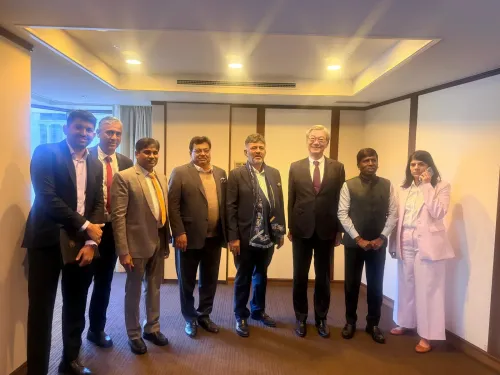
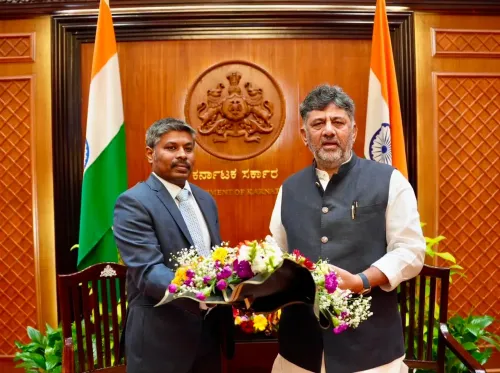
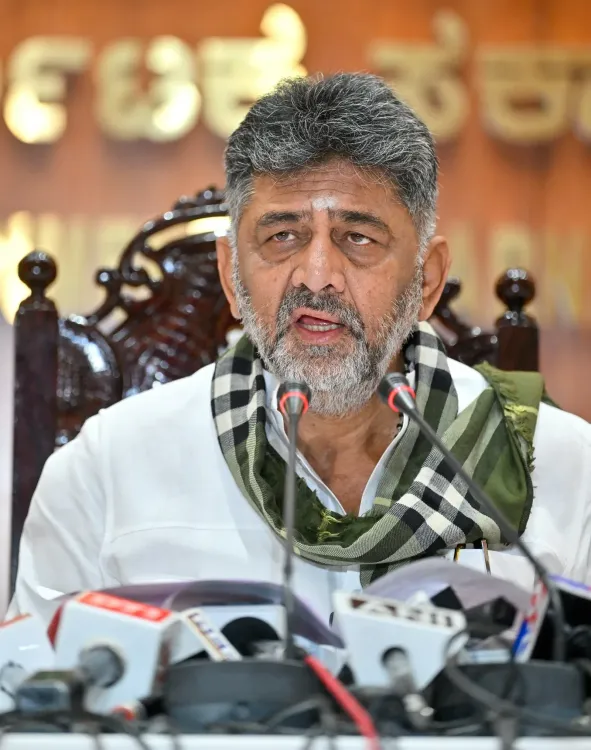
The Chief Minister's Office of Karnataka on Saturday framed a hard industrial pitch after a three-day Japan visit: make the state India's No. 1 destination for foreign direct investment, push factories beyond Bengaluru, and create more jobs for Kannadigas. At a media briefing in Vidhana Soudha, the office said D. K. Shivakumar set out the results of the 23–25 November tour, joined by Industries Minister M. B. Patil and senior officials, under the line ಕರ್ನಾಟಕವೇ ಮೊದಲ ಆದ್ಯತೆ (Karnataka is the first priority).
The briefing was not a travelogue. It was a localisation and jobs argument: keep Japanese capital in Karnataka, spread plants outside the capital, and train a Kannadiga workforce to staff them.
₹800-crore Kawasaki expansion at Harohalli
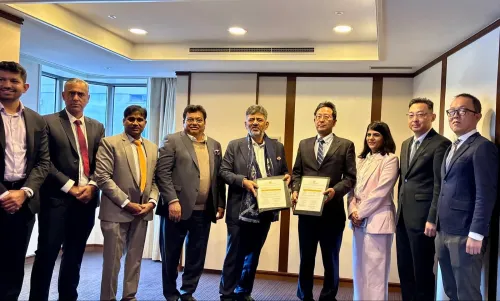
The headline number from the office was a ₹800 crore investment understanding with Kawasaki–Wipro Kawasaki to expand the Harohalli unit over 10 years, with about 600 jobs attached. That is the only figure the briefing put on a named plant. The rest of the Japan itinerary was framed as talks, not closed cheques.
According to the office, the delegation also held discussions with Toyota, Panasonic, JFE Steel, JX Metals and Takeda on localisation, hybrid mobility, electronics and steel production. Toyota already manufactures in the state; the pitch was to deepen that footprint rather than treat Bengaluru only as a services hub.
Sumitomo park, a Japanese school and JETRO training
A proposed Japanese industrial park with Sumitomo sat at the centre of the longer-term map. The office said the idea includes a Japanese school nearby and Japanese-language training for ITI students, taken up with JETRO, Japan's trade-promotion body.
That package is the workforce half of the FDI story. Language, a school, and a dedicated park are how Japanese firms have historically clustered abroad. Karnataka has long ranked among India's top FDI destinations and has used earlier investor summits, and the Karnataka Industrial Policy 2020-25, to pull auto, electronics and steel capital outside a Bengaluru-only model. This visit continues that pattern.
Shibuya-style metro hubs and Osaka waste-to-energy
Urban Karnataka was on the itinerary as much as factory floors. The office said officials studied Oasis 21, Azabudai Hills and Shibuya's transit-oriented development as templates for redevelopment around Bengaluru metro stations, including underground commercial space and a signature landmark tower.
On waste, the briefing pointed to Osaka's Maishima plant as a model for scientific waste-to-energy. Bengaluru's garbage and congestion fights are not side notes here. They are the civic price of remaining an investment magnet. Copying Japanese station-area density and incineration-to-power is the office's stated answer.
A Japan pavilion at Invest Karnataka 2027
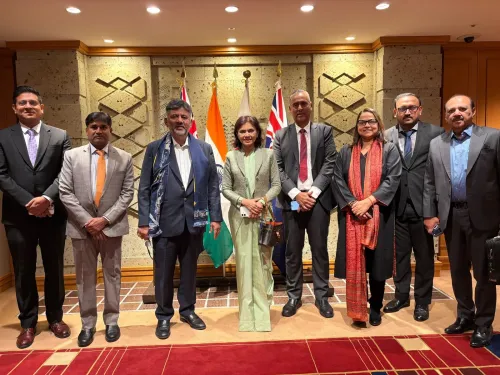
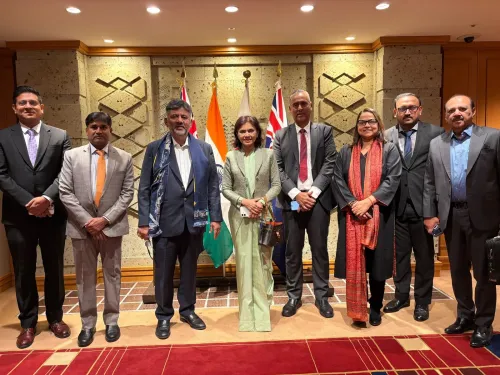
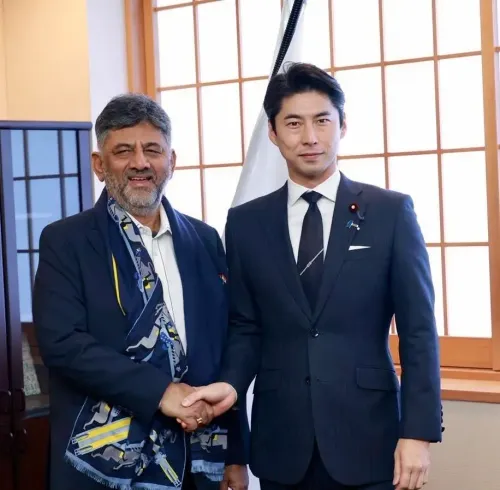
Diplomacy was tied to a calendar date. The office said the delegation met Japan's State Minister for Foreign Affairs Yasutaka Nakasone and India's Ambassador Nagma Mohamed Mallick on infrastructure cooperation, and invited the Japanese government and industry to Invest Karnataka 2027, set for 20–22 April 2027 in Bengaluru, with a dedicated Japan Country Pavilion.
What to watch next is follow-through: whether the Harohalli expansion is documented, whether the Sumitomo park gets land and a school, and how many Japanese firms actually book that 2027 pavilion. The CMO has put Karnataka's FDI rank, jobs for Kannadigas, and a Japan-shaped industrial map on the record. The test is what lands on the ground before April 2027.
Point of View
Especially from Japan in auto, electronics and steel. The CMO is using a high-level tour to sell localisation, a dedicated Japanese park and civic copies of Tokyo and Osaka, then funnel that pipeline into Invest Karnataka 2027. The ₹800-crore Harohalli figure is the only hard number on the table; the rest is intent. Delivery will be judged on land, training and whether Japanese firms actually take the 2027 pavilion.
NationPress
28 Nov 2026
Frequently Asked Questions
What did the Karnataka CMO say about the Japan visit?
The Chief Minister's Office said D. K. Shivakumar briefed the media at Vidhana Soudha on a 23–25 November Japan tour aimed at making Karnataka India's No. 1 FDI state, expanding industry beyond Bengaluru and creating more jobs for Kannadigas.
How much investment was announced for the Harohalli Kawasaki plant?
The office cited an understanding with Kawasaki–Wipro Kawasaki for ₹800 crore over 10 years to expand the Harohalli unit, with about 600 jobs. Independent confirmation of the final paperwork was not part of the public briefing.
When is Invest Karnataka 2027 and what did Japan hear?
Invest Karnataka 2027 is scheduled for 20–22 April 2027 in Bengaluru. The office said Japan's government and industry were invited and a separate Japan Country Pavilion was proposed after meetings with Yasutaka Nakasone and Ambassador Nagma Mohamed Mallick.
Which Japanese companies did the Karnataka delegation mention?
Besides Kawasaki–Wipro Kawasaki, the briefing listed talks with Toyota, Panasonic, JFE Steel, JX Metals, Takeda and Sumitomo, plus consultations with JETRO on a Japanese industrial park, a nearby Japanese school and Japanese-language training for ITI students.
What Japan urban models is Bengaluru looking at?
The office said officials studied Oasis 21, Azabudai Hills and Shibuya transit-oriented development for redevelopment around Bengaluru metro stations, including underground commercial space and a signature tower, and Osaka's Maishima plant as a waste-to-energy model.