Karnataka CM Shivakumar courts JFE-JSW expansion in Japan
Synopsis
Karnataka Chief Minister D. K. Shivakumar and Industries Minister M. B. Patil met JFE Steel's Ogawa Hiroyuki and JSW Steel officials in Japan to deepen the JFE-JSW partnership and seek further steel investments in the state, with the government pledging support on approvals and infrastructure.
Key Takeaways
Shivakumar and Industries Minister M.
Patil met JFE Steel Executive Vice President Ogawa Hiroyuki and JSW Steel officials in Japan on 25 November 2026 .
Talks covered strengthening the longstanding JFE-JSW partnership and expanding the companies' presence in Karnataka.
The delegation pushed new openings in advanced steel manufacturing and value-added products.
The Chief Minister pledged support on approvals, infrastructure and other project requirements.
JSW Steel has operated its Vijayanagar plant since the late 1990s ; JFE-JSW technical ties date to the mid- 2000s .
The official readout did not specify investment values, timelines or a new pact.
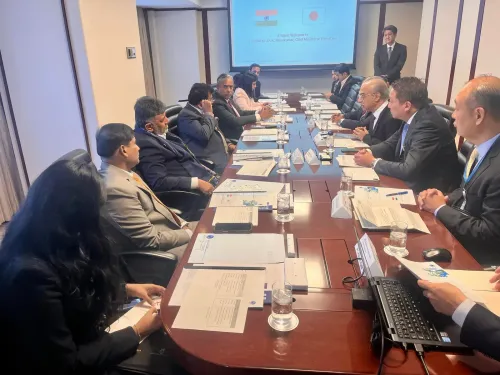
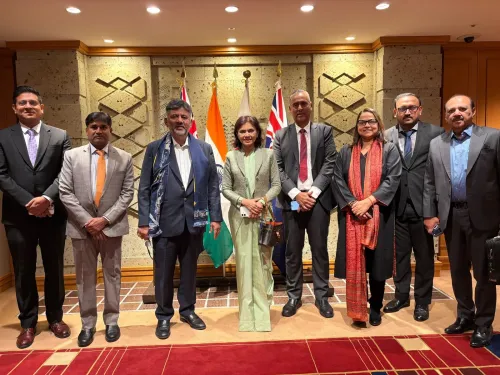
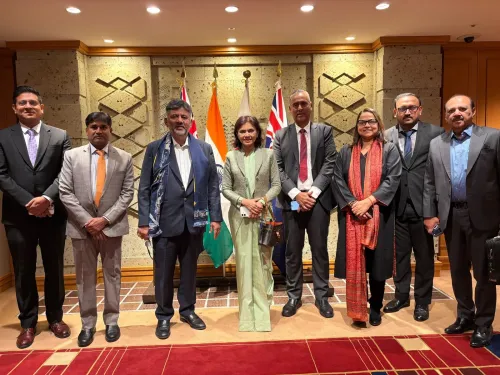
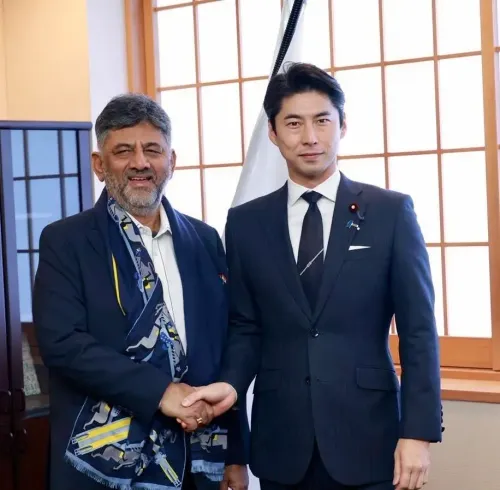
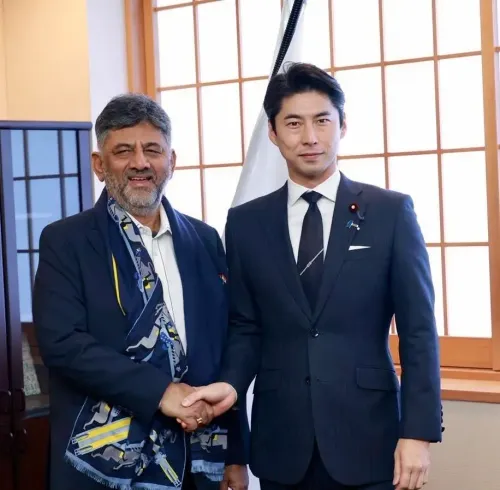
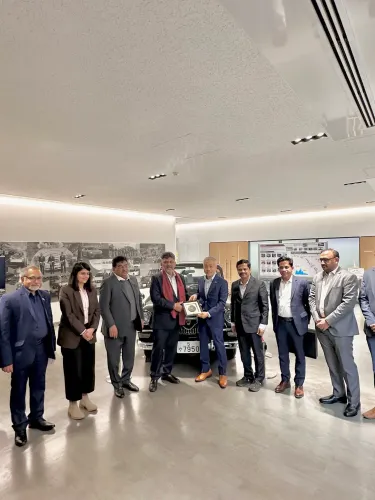
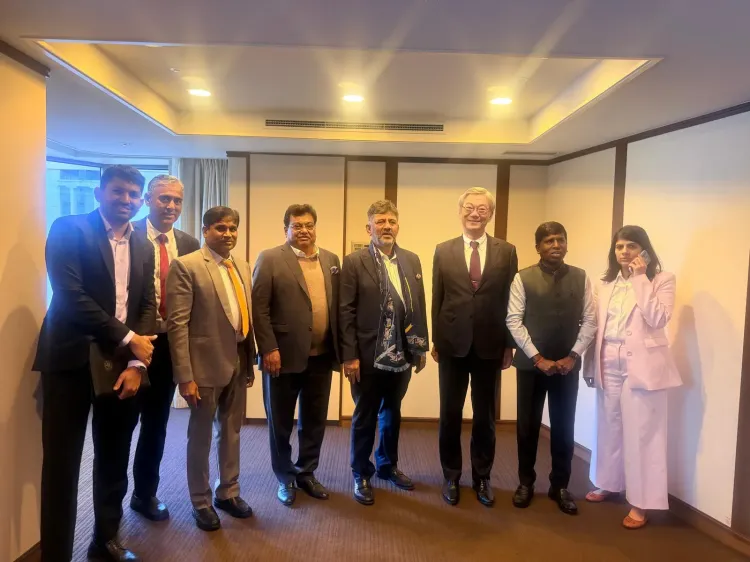
The Chief Minister's Office of Karnataka put a steel-and-jobs pitch on a Japanese mill's table on 25 November 2026. Chief Minister D. K. Shivakumar and Minister for Large and Medium Industries and Infrastructure Development M. B. Patil met Ogawa Hiroyuki, Executive Vice President of JFE Steel Corporation, plus senior JFE and JSW Steel officials in Japan to strengthen their longstanding partnership and expand operations in Karnataka.
Shivakumar's ask: more JFE-JSW steel in Karnataka
The official readout said the talks turned on Karnataka's strategic weight in the companies' steel and manufacturing operations, on tightening the existing JFE-JSW partnership, and on the room for further investment. The delegation highlighted the state's industrial and manufacturing ecosystem and pressed the firms to consider new openings in advanced steel manufacturing and value-added products.
Chief Minister Shivakumar, the office said, reiterated the government's full support for JFE-JSW Steel's existing and future investments, including assistance with approvals, infrastructure and other project requirements. Both sides expressed interest in continuing the engagement and taking the long-term partnership forward to create new industrial-growth opportunities in Karnataka.
Vijayanagar's two-decade JSW-JFE backbone
JSW Steel has operated and expanded its integrated plant at Vijayanagar in Karnataka since the late 1990s, layering on capacity at a site that remains one of India's major steel complexes. JFE Steel, a major Japanese producer focused on technology and global partnerships, has maintained a technical collaboration and joint-venture arrangements with JSW for advanced steel products since the mid-2000s.
This is not a cold call. It is a high-level check-in on a relationship already wired into the state's industrial map — and a push to move it up the ladder, from bulk output toward specialised grades and downstream products.
Karnataka's pitch to Japanese mills
Karnataka has consistently tried to attract and retain steel-sector capital by pointing to existing clusters, port connectivity and incentives for value-added manufacturing. Japanese firms have used India partnerships to access growing domestic demand and to diversify production bases as global steel trade shifts.
Wednesday's readout named no rupee figure, no timeline and no fresh pact. It named a direction: more of JFE and JSW in Karnataka, with the state promising to clear the path on approvals and infrastructure. Follow-up will be measured in expansion notices, MoUs or ground-breaking for advanced steel facilities — not in the warmth of a meeting in Japan.
The test now is whether the Japan conversation hardens into steel, jobs and value-added capacity on Karnataka's ground.
Point of View
Fly it to the Japanese partner's home ground, and promise a faster path on approvals and infrastructure. Vijayanagar already anchors that partnership; the new ask is advanced grades and value-added products, not just more tonnes. Japanese mills have a structural reason to listen — India demand and a need to spread production risk — but state tours only count when they convert. The scoreboard from here is expansion notices and ground-breaking, not the meeting itself.
NationPress
25 Nov 2026
Frequently Asked Questions
Who did Karnataka CM D. K. Shivakumar meet in Japan?
He met Ogawa Hiroyuki, Executive Vice President of JFE Steel Corporation, along with senior representatives of JFE Steel and JSW Steel. Industries Minister M. B. Patil accompanied him. The talks, as per the Chief Minister's Office of Karnataka, covered expanding the companies' presence in the state.
What did the Karnataka government offer JFE and JSW Steel?
Chief Minister D. K. Shivakumar reiterated full government support for existing and future JFE-JSW Steel investments. That includes assistance with approvals, infrastructure and other project requirements, according to the official post.
What is the JFE-JSW partnership in Karnataka?
JSW Steel has operated and expanded its Vijayanagar integrated steel plant in Karnataka since the late 1990s. JFE Steel and JSW have maintained a technical collaboration and joint-venture arrangements for advanced steel products since the mid-2000s.
Did the Japan meeting announce a new investment amount?
No investment value, timeline or signed pact was specified in the official readout. The Chief Minister's Office of Karnataka described interest in strengthening the partnership and exploring further investments, without attaching figures.
Why is Karnataka courting Japanese steel companies?
The state has long sought to attract and retain steel-sector investments by highlighting clusters, port connectivity and incentives for value-added manufacturing. Japanese firms have pursued India partnerships to access domestic demand and diversify production bases.