India Post ₹1,491 crore estates scheme cleared by Cabinet
Synopsis
The Cabinet has committed ₹1,491 crore to rebuild India Post's physical backbone through FY 2030-31 — 190 new buildings, 2,550 branded SubPost Offices, 20 heritage restorations and a CEPT campus in Bengaluru — tying estates, accessibility and last-mile banking to Digital India rather than treating post offices as relics.
Key Takeaways
The Union Cabinet, chaired by PM Narendra Modi , approved continuation of the Estates Management Scheme with a ₹1,491 crore outlay for FY 2026-27 to FY 2030-31 . ₹280 crore will fund 190 new departmental buildings on vacant plots to cut rental liabilities; ₹108 crore will rebuild 50 dilapidated structures. ₹318 crore will renovate and brand 2,550 departmental SubPost Offices; ₹37.50 crore will upgrade 2,500 rented post offices. ₹180 crore is set aside to restore 20 heritage postal buildings; ₹357.50 crore will revamp 150 high-demand residential colonies.
A permanent CEPT campus in Bengaluru will support Advanced Postal Technology and an indigenous Opensource Tech Stack.
India Post runs 1.65 lakh offices, including 1,49,385 in rural areas, spanning mail, POSB/IPPB banking, PLI, Aadhaar and passport services.
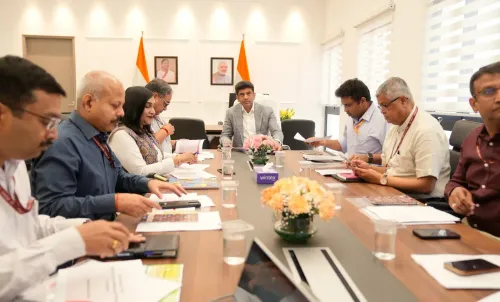
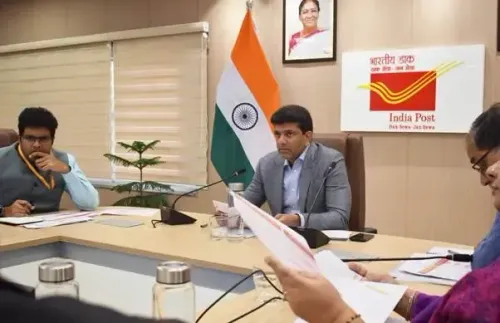
The Union Cabinet, chaired by Prime Minister Narendra Modi, on Wednesday approved the continuation of the Estates Management Scheme for the Department of Posts, with a total financial outlay of ₹1,491 crore over five years from FY 2026-27 to FY 2030-31. Cleared in New Delhi, the package is designed to modernise postal estates, cut rental liabilities and standardise branding across departmental post offices and residential colonies, while restoring heritage buildings.
Where the ₹1,491 crore will go
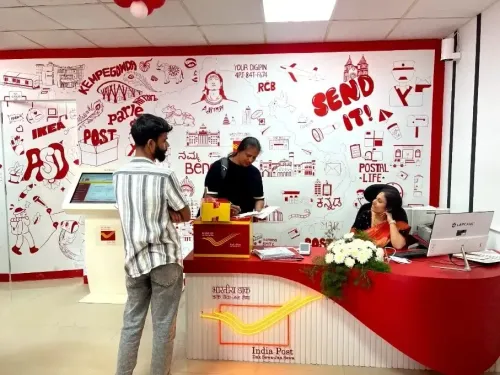
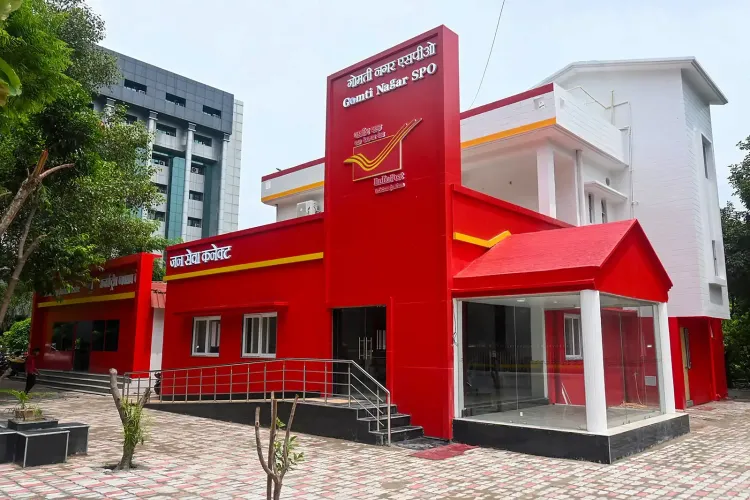
According to an official statement, the scheme concentrates on construction, reconstruction, renovation and uniform branding of post offices, alongside the preservation of India's heritage postal buildings. The Cabinet said the strategy supports first-mile delivery, financial inclusion and citizen-centric service delivery nationwide, and aligns with Digital India, Atmanirbhar Bharat and Viksit Bharat.
New construction accounts for ₹280 crore, earmarked for 190 departmental postal buildings on vacant departmental plots so that currently rented spaces can be replaced and rental liabilities eliminated. Reconstruction of ₹108 crore will fund the demolition and rebuilding of 50 dilapidated departmental postal structures to improve long-term structural safety.
Renovation and branding of ₹318 crore will upgrade and apply uniform branding across 2,550 departmental SubPost Offices as per SPA guidelines. A further ₹37.50 crore is allocated to rented post office upgrades, covering uniform branding of 2,500 post offices that operate from rented premises.
Heritage buildings, colonies and staff housing
Heritage preservation receives ₹180 crore to restore and protect 20 landmark heritage postal buildings, safeguarding the department's historical legacy. Colony renovation of ₹357.50 crore will revamp 150 high-demand postal residential colonies, with the stated aim of elevating employee welfare and satisfaction.
The scheme also provides for sustainable features such as solar power and rainwater harvesting, and for universal accessibility infrastructure including ramps and Braille signage under the Sugamya Bharat Abhiyan. Gender-focused additions include ladies' toilets and feeding rooms.
CEPT Bengaluru and the technology overlay
A permanent physical campus is to be set up for the Centre for Excellence in Postal Technology (CEPT) in Bengaluru, to drive Advanced Postal Technology (APT) services and support an indigenous Opensource Tech Stack. This comes amid a broader effort to pair brick-and-mortar estates with digital delivery rather than treating physical post offices as leftovers of the pre-smartphone era.
Notably, the estates package is departmental in scope. New buildings, reconstructions and SubPost Office branding target departmental assets, not the entire rural branch-office footprint that makes up most of the network.
Why the postal network still matters
India Post remains one of the world's largest postal networks, with 1.65 lakh post offices, including 1,49,385 in rural areas. It continues to function as a vehicle for mails, banking through POSB and IPPB, insurance through PLI, Aadhaar services, Post Office Passport Seva Kendras, and rural artisan support via Dakghar Niryat Kendras (DNKs).
This is the continuation of an existing Estates Management Scheme rather than an entirely new programme, stretching the modernisation window through FY 2030-31. For citizens, the practical test will be whether fewer rented premises, safer buildings and uniformly branded SubPost Offices actually improve first-mile pickup and counter services in both cities and the hinterland. Implementation will run across the five-year period as departmental works are sequenced on vacant plots, dilapidated sites and high-demand colonies.
Point of View
491 crore outlay is less a digital moonshot than a catch-up bill for physical plant that Digital India still leans on. India Post's 1.65 lakh offices, especially the 1,49,385 rural outlets, remain the state's most granular last-mile grid for banking, Aadhaar and welfare, yet a large share of that grid sits outside departmental brick-and-mortar, so this package will not by itself transform the village branch office. Building on vacant departmental plots to cut rent is fiscal hygiene that should be routine, not a once-in-five-years Cabinet event. The CEPT campus in Bengaluru and the Opensource Tech Stack will decide whether this is an estates whitewash or a platform upgrade; without published rental-savings and service-time metrics, the spend risks becoming another renovation cycle citizens cannot feel.
NationPress
25 Nov 2026
Frequently Asked Questions
What is the Estates Management Scheme approved by the Cabinet?
The Estates Management Scheme is a five-year Department of Posts infrastructure programme, continued by the Union Cabinet with an outlay of ₹1,491 crore from FY 2026-27 to FY 2030-31. It covers new construction, reconstruction, renovation, branding, heritage restoration and postal colony upgrades.
How will the ₹1,491 crore for India Post be spent?
The outlay is split across new construction (₹280 crore for 190 buildings), reconstruction (₹108 crore for 50 structures), renovation and branding (₹318 crore for 2,550 SubPost Offices), rented-office upgrades (₹37.50 crore for 2,500 offices), heritage preservation (₹180 crore for 20 buildings) and colony renovation (₹357.50 crore for 150 colonies). A CEPT campus in Bengaluru is also part of the package.
Why does the India Post estates overhaul matter?
It matters because India Post's 1.65 lakh offices, including 1,49,385 in rural areas, still deliver mail, banking, insurance, Aadhaar and passport services. Modern buildings, lower rental liabilities and uniform branding are meant to improve first-mile and citizen-facing delivery under Digital India.
When will the India Post Estates Management Scheme run?
The approved continuation covers the five-year period from FY 2026-27 to FY 2030-31. Works on vacant departmental plots, dilapidated structures, SubPost Offices, heritage buildings and residential colonies will be sequenced over that window.
Who is affected by the Department of Posts infrastructure scheme?
Postal employees in 150 high-demand residential colonies, users of departmental post offices being rebuilt or rebranded, and citizens who rely on India Post for banking, Aadhaar, PLI and passport services are the primary groups affected. Heritage restoration covers 20 landmark postal buildings.