Karnataka CM Office greets workers on Ayudha Pooja 2026
Synopsis
On Ayudha Pooja 2026, the Chief Minister's Office of Karnataka extended greetings to farmers, industrial workers, drivers, artisans and entrepreneurs, calling the worship of one's tools of labour 'the true culture of this land' as the state marks the annual Navratri festival.
Key Takeaways
The Chief Minister's Office of Karnataka posted Ayudha Pooja greetings on 20 October 2026 .
Ayudha Pooja is observed during Navratri when tools, vehicles and machinery are worshipped as symbols of livelihood.
The message honoured farmers, factory workers, drivers, artisans, entrepreneurs and all working people across Karnataka.
The CMO described worshipping one's tools of honest labour as 'the true culture of this land.' Karnataka's Ayudha Pooja tradition spans its agrarian, industrial and technology sectors alike.
From the farmer's plough to the factory machine, from the truck on the highway to the computer on the desk — on Ayudha Pooja 2026, the Chief Minister's Office of Karnataka saluted every tool of labour as a force that keeps the state's wheel of progress turning.
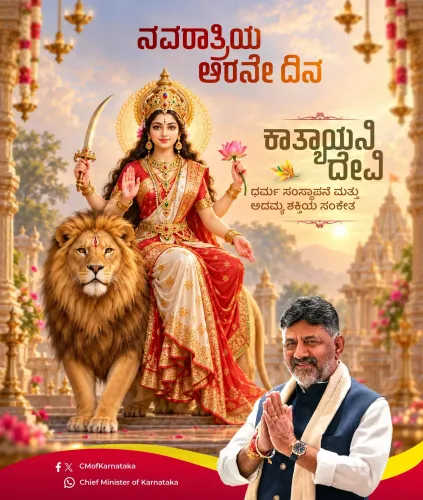
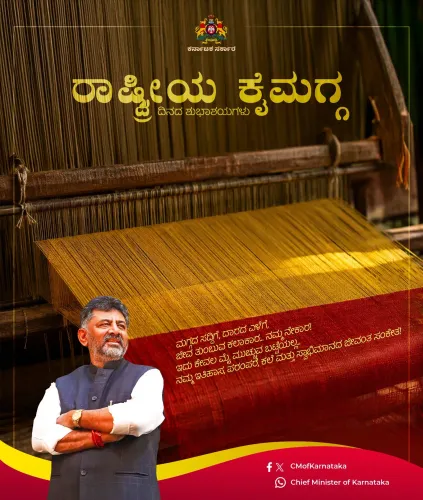
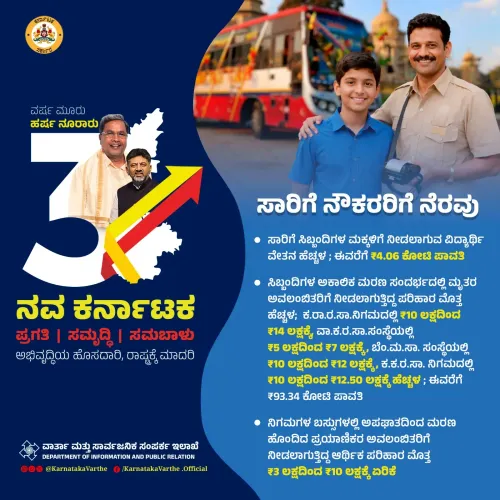
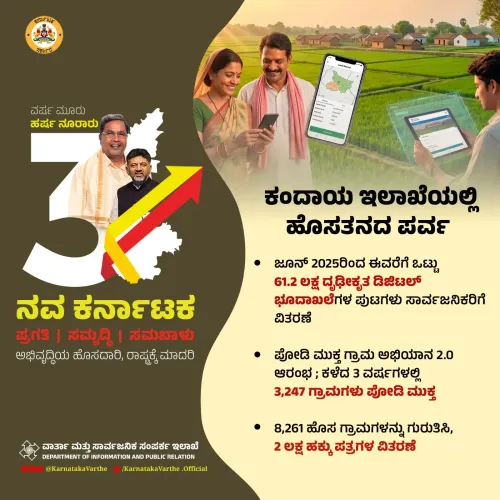
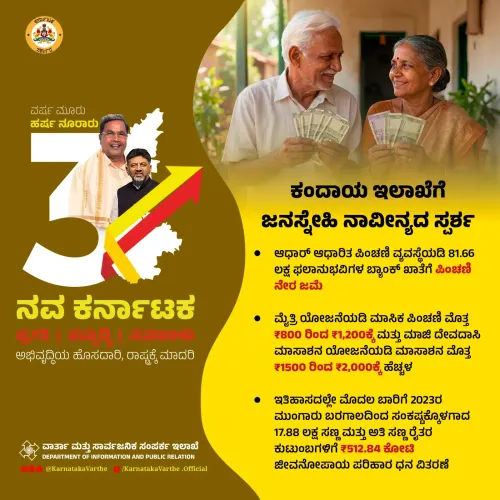
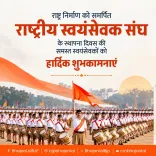
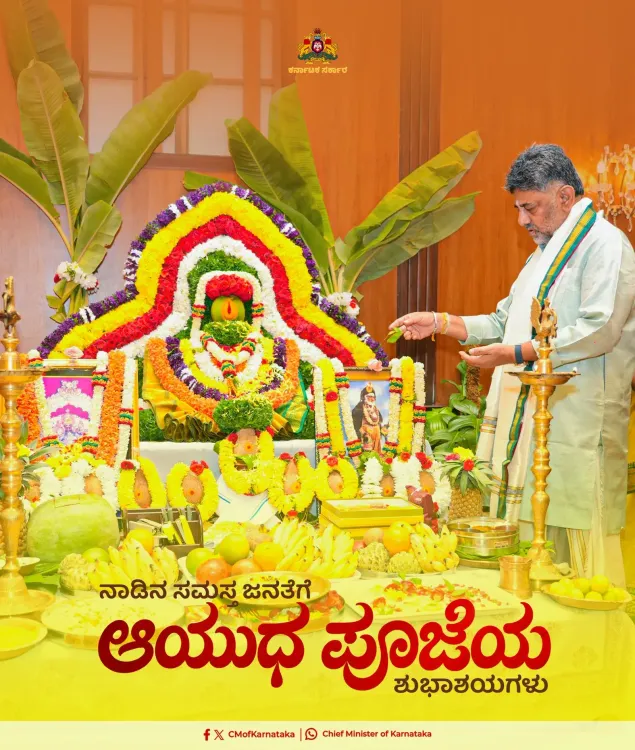
The CMO Karnataka posted the Ayudha Pooja greeting in Kannada on Tuesday, 20 October 2026, extending wishes to farmers, industrial workers, drivers, artisans, entrepreneurs and every hard-working person in the state. The message declared, 'ನಂಬಿದ ಕಾಯಕವನ್ನು ಪ್ರಾಮಾಣಿಕವಾಗಿ ನಡೆಸಿ, ಆ ದುಡಿಮೆಯ ಪರಿಕರಗಳನ್ನು ಪೂಜಿಸುವುದೇ ಈ ನೆಲದ ನಿಜವಾದ ಸಂಸ್ಕಾರ' — 'To conduct one's chosen work with honesty, and to worship the tools of that labour, is the true culture of this land.'
What Ayudha Pooja means across Karnataka's economy
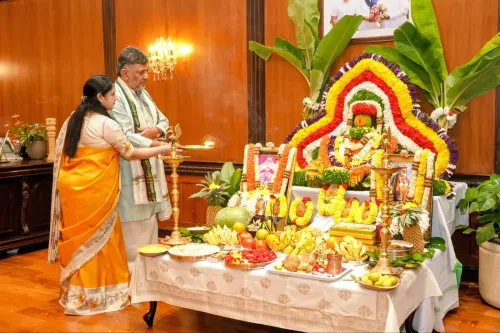
Ayudha Pooja is observed during Navratri, typically on the ninth day, when farmers, factory workers, drivers, craftspeople and IT professionals alike pause to honour the instruments of their livelihood. Tools are cleaned, adorned with flowers and vermilion, and offered prayers — a practice that weaves together agricultural tradition and industrial modernity in equal measure.
Karnataka's economy sits at a rare intersection: a vast agrarian base in its northern and coastal districts, a manufacturing belt anchored around Bengaluru, Tumakuru and Dharwad, and a globally recognised technology corridor. Ayudha Pooja is one of the few occasions in the cultural calendar where all three worlds pause on the same day to acknowledge that progress, ultimately, runs on human effort and the instruments it wields.
A Dasara tradition that the state never misses
Karnataka's Dasara celebrations, centred on Mysuru, are among the most elaborate in the country. Ayudha Pooja falls within that ten-day arc and carries its own civic weight — state government offices, police armouries, transport depots and hospitals formally participate alongside households. The Karnataka government has consistently used the occasion to publicly recognise the dignity of labour across sectors, making such messages a fixture of the state's annual cultural calendar.
The CMO's greeting singled out annadaataru (farmers, literally 'givers of food'), karmika bandhugalu (worker comrades), drivers, skilled craftspeople and entrepreneurs — a deliberate sweep from the field to the boardroom that frames every form of productive work as equally worthy of reverence.
In a state where seasonal farm distress and urban industrial aspiration often pull public discourse in opposite directions, that framing carries a quiet, unifying weight. The tools may change; the culture of honest work, the message insists, does not.
Point of View
Factory workers, drivers and entrepreneurs in one breath, the message implicitly acknowledges Karnataka's unusual economic breadth — agrarian distress in the north, industrial ambition in the belt cities, and tech-sector growth in Bengaluru. Such cultural communications cost nothing politically and bank goodwill broadly, making them a low-risk, high-visibility fixture on any government's calendar. The real signal, if any, is consistency: a state that marks this occasion annually is one signalling that the cultural contract between government and working people remains intact.
NationPress
20 Oct 2026
Frequently Asked Questions
What is Ayudha Pooja and when is it celebrated?
Ayudha Pooja is a traditional Hindu festival observed during Navratri, usually on the ninth day, when tools, vehicles, machinery and instruments of livelihood are worshipped. In 2026 it falls on 20 October.
What did the Karnataka CM Office say for Ayudha Pooja 2026?
The Chief Minister's Office of Karnataka extended greetings to farmers, workers, drivers, artisans and entrepreneurs, saying that worshipping one's tools of honest labour is 'the true culture of this land.'
How is Ayudha Pooja celebrated in Karnataka?
In Karnataka, Ayudha Pooja is observed by cleaning and adorning tools, vehicles and machinery with flowers and vermilion. Government offices, transport depots, factories and households all formally participate.
Is Ayudha Pooja part of Dasara celebrations in Karnataka?
Yes. Ayudha Pooja falls within the ten-day Dasara festival arc, which is celebrated with particular grandeur in Mysuru and is one of Karnataka's most prominent cultural events.
Why does the Karnataka government issue Ayudha Pooja greetings?
Issuing Ayudha Pooja greetings is a long-standing practice by Karnataka state governments to publicly recognise the role of labour — in agriculture, manufacturing and services — in driving the state's progress.