CM Karnataka greets weavers on National Handloom Day
Synopsis
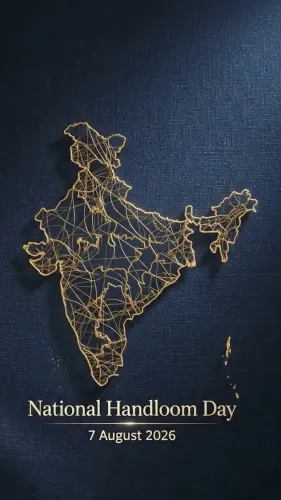
On National Handloom Day, 7 August 2026, Karnataka's Chief Minister's Office greeted weavers across India, invoking the 1905 Swadeshi movement legacy and calling on citizens to support artisans by purchasing local handloom products.
Key Takeaways
The Chief Minister's Office of Karnataka posted National Handloom Day greetings on 7 August 2026 .
National Handloom Day falls on 7 August each year, commemorating the 1905 launch of the Swadeshi movement.
The day was institutionalised by the Ministry of Textiles in 2015 to honour India's weaving community.
The CMO urged citizens to buy local handloom products as a direct form of support for weavers' labour.
Karnataka is home to handloom traditions including Ilkal sarees, Molakalmuru silk, and Dharwad cotton .
India's handloom sector is the second-largest rural textile employer after agriculture.
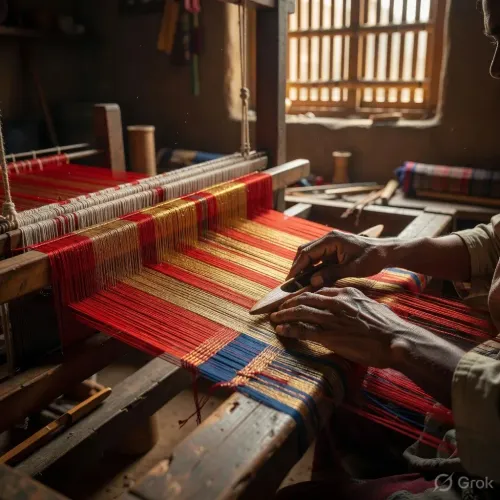
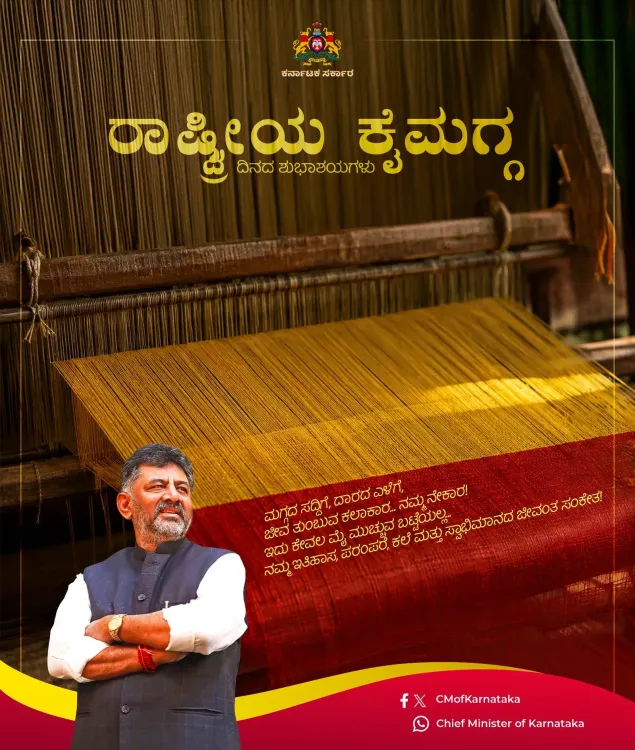
Every thread tells a story. On National Handloom Day, 7 August 2026, the Chief Minister's Office of Karnataka extended greetings to handloom weavers across the country, calling on citizens to back their craft by choosing locally made handloom products.
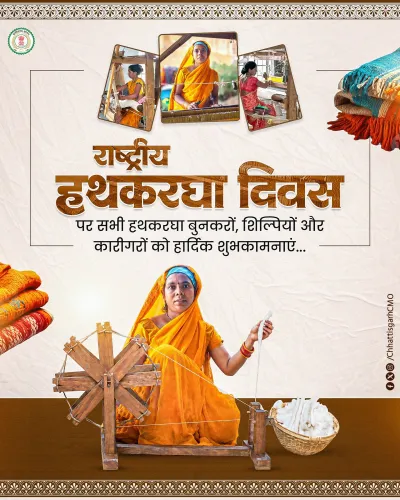
The post, in Kannada, saluted weavers who 'weave into every thread the culture, art, and historical heritage of our soil, filling life with colour' — ದಾರ ದಾರದಲ್ಲೂ ನೇಯ್ದು ಬದುಕಿಗೆ ಬಣ್ಣ ತುಂಬುವ (thread by thread, filling life with colour). It described the day as one that 'infuses new energy into Swadeshi awareness and the handloom industry,' urging people to stand in solidarity with weavers' labour.
Why 7 August matters
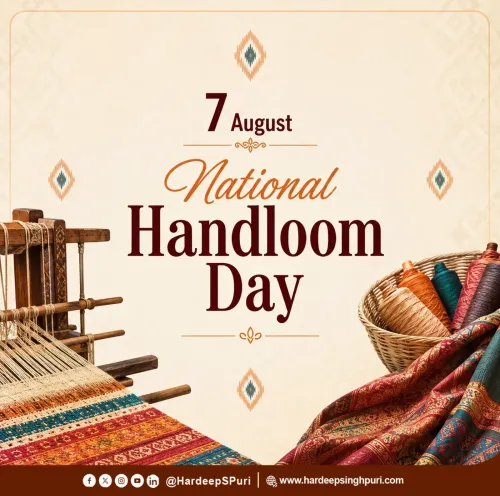
National Handloom Day is observed every year on 7 August — the date in 1905 when the Swadeshi movement was formally launched in Calcutta, calling for a boycott of British-manufactured goods and a turn toward indigenous textiles. The Ministry of Textiles institutionalised the observance in 2015 to honour that legacy and draw fresh attention to the millions of weavers who sustain India's handloom tradition.
Karnataka's weaving heritage and the Swadeshi thread
Karnataka carries a deep stake in this conversation. The state is home to storied handloom traditions — from the gold-zari Ilkal sarees of northern Karnataka to the fine Molakalmuru silk and the distinctive Dharwad cotton — each a living archive of regional identity. The CMO's appeal to buy local is not ceremonial: India's handloom sector employs an estimated 35 lakh weavers (national figure), making it the second-largest employer in the rural textile economy after agriculture.
The Swadeshi spirit the post invokes is older than independence itself, but it has found new institutional expression in recent years through national handloom expos, buyer-seller meets, and state-level cluster development programmes aimed at connecting artisans directly with urban and export markets.
On a day when the loom is the symbol, the message from Karnataka's seat of government is clear: the most direct form of support is a purchase. Buy the fabric. Wear the heritage.
Point of View
Reinforcing central government self-reliance narratives without requiring fresh legislative action. For Karnataka, with its rich but economically vulnerable weaving clusters, the appeal carries practical stakes: market demand, not just heritage pride, determines whether these crafts survive the next generation. The real test will be whether the sentiment translates into concrete state support — cluster funding, e-commerce linkages, or GI-tag promotion — in the months ahead.
NationPress
21 Sept 2026
Frequently Asked Questions
Why is National Handloom Day celebrated on 7 August?
National Handloom Day is observed on 7 August to mark the anniversary of the 1905 Swadeshi movement , launched in Calcutta to promote indigenous goods and boycott British-manufactured textiles. The government institutionalised the observance in 2015 .
What did Karnataka CMO say on National Handloom Day 2026?
The Chief Minister's Office of Karnataka greeted handloom weavers across India, praised them for weaving the country's culture and heritage into every thread, and urged citizens to support weavers by purchasing local handloom products.
What handloom traditions is Karnataka known for?
Karnataka is known for several handloom traditions including Ilkal sarees from northern Karnataka, Molakalmuru silk , and Dharwad cotton — each reflecting distinct regional craft heritage.
When was National Handloom Day first celebrated in India?
The first National Handloom Day was celebrated on 7 August 2015 , after the Ministry of Textiles institutionalised the observance to recognise weavers and promote the handloom sector.
How many weavers does India's handloom sector employ?
India's handloom sector employs an estimated 35 lakh weavers nationally, making it the second-largest employer in the rural textile economy after agriculture.