Karnataka CM's Office Raises Pourakarmika Allowances
Synopsis
The Karnataka Chief Minister's Office announced a welfare package for pourakarmikas on 30 September 2026, including a ₹5,000 special allowance, a doubling of the breakfast allowance to ₹70, and a ₹10,000 special allowance for permanent sanitation workers across the state's urban local bodies.
Key Takeaways
₹5,000 special allowance announced for pourakarmika sanitation workers in Karnataka.
Breakfast allowance doubled from ₹35 to ₹70 per day for sanitation staff.
Permanent pourakarmikas to receive a ₹10,000 special allowance under the revised structure.
The announcement was made by the Chief Minister's Office of Karnataka on 30 September 2026 .
Implementation will be watched through BBMP and other Karnataka municipal corporations in state budget disbursements.
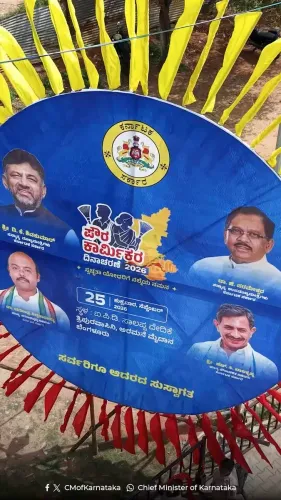
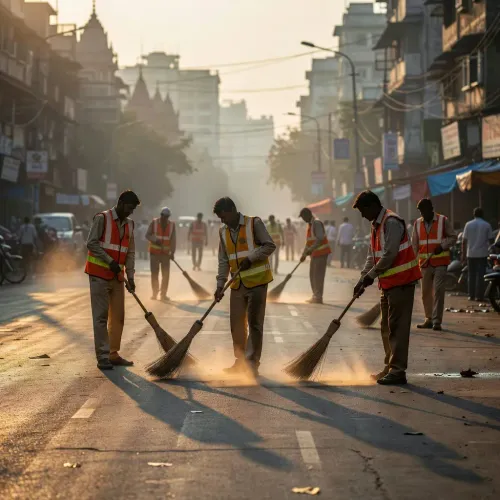
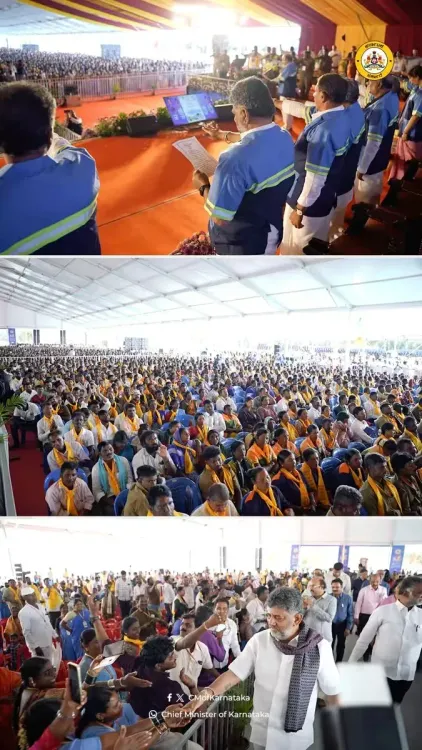
The workers who sweep Karnataka's streets before dawn are getting a pay upgrade — and the state government wants that fact heard loud and clear. The Chief Minister's Office of Karnataka announced on Wednesday, 30 September 2026 a package of financial benefits for pourakarmikas — the municipal sanitation workers who keep the state's cities clean every single day.
What the revised allowances actually mean for sanitation workers
The announcement lays out three concrete revisions. A ₹5,000 special allowance is being introduced for sanitation workers, while the existing breakfast allowance — previously set at ₹35 — is being raised to ₹70, effectively doubling daily meal support. Permanent pourakarmikas receive the largest bump: their special allowance climbs to ₹10,000. The CMO framed the move in plain terms: 'A dignified life and a better future for pourakarmikas is the government's resolve.'
The distinction between contractual and permanent workers matters here. Karnataka's urban local bodies have long employed a large share of sanitation staff on contractual terms, which historically meant lower pay floors and fewer protections. The tiered allowance structure — higher for permanent staff — reflects that ongoing administrative reality even as it attempts to lift all categories.
A long-running push inside Karnataka's urban governance
This is not the first time Karnataka has revised pourakarmika benefits. State urban local bodies have periodically issued government orders updating allowances since the early 2010s, responding to labour welfare demands from sanitation worker unions and advocacy groups. The broader national frame is the Swachh Bharat Mission, launched in 2014, which includes guidelines on safety, dignity and financial support for sanitation workers — though actual implementation of allowances sits with state governments and individual municipal corporations.
Cities like Bengaluru, administered by the Bruhat Bengaluru Mahanagara Palike (BBMP), employ thousands of pourakarmikas. Disbursement timelines and how the revised rates flow through BBMP and other municipal corporations across Karnataka will be the next test of whether these numbers translate into actual take-home gains.
For a workforce that starts its shifts while most of the city sleeps, a doubled breakfast allowance and a higher special pay may be incremental — but in labour welfare, increments compound. Karnataka is signalling that the dignity of sanitation work is a political priority, not just an administrative footnote.
Frequently Asked Questions
What is the new special allowance for Karnataka pourakarmikas?
The Karnataka government has announced a ₹5,000 special allowance for pourakarmikas (municipal sanitation workers), with permanent pourakarmikas receiving a higher special allowance of ₹10,000.
How much is the breakfast allowance for Karnataka sanitation workers now?
The breakfast allowance for Karnataka sanitation workers has been increased from ₹35 to ₹70 per day, effectively doubling the daily meal support.
Who are pourakarmikas in Karnataka?
Pourakarmikas are municipal sanitation workers employed by urban local bodies in Karnataka. They are responsible for daily street cleaning and waste management in cities and towns across the state.
Which body implements pourakarmika welfare in Bengaluru?
In Bengaluru, pourakarmika welfare measures are implemented through the Bruhat Bengaluru Mahanagara Palike (BBMP), which employs a large number of sanitation workers in the city.
Is the Karnataka pourakarmika allowance hike linked to Swachh Bharat Mission?
The Swachh Bharat Mission, launched nationally in 2014, provides guidelines on dignity and financial support for sanitation workers, but actual allowance revisions are decided by state governments and municipal bodies. Karnataka's latest hike is a state-level administrative decision.