Karnataka drought: Parameshwara pushes consensus on Kasturirangan report, 177 taluks hit

Synopsis
Karnataka is facing one of its worst droughts in recent years — 177 taluks declared drought-hit and counting, with rainfall 36% below normal and farmers losing crops twice over. Deputy CM Parameshwara's call for cross-party unity on both the drought and the politically charged Kasturirangan report signals how high the stakes are as the state prepares to make its case to New Delhi.
Key Takeaways
Karnataka Deputy CM G.
Parameshwara called for ruling and Opposition consensus on the Kasturirangan report and drought on 22 September 2026 .
The state must submit its view on the seventh draft of the Kasturirangan report to the Centre within a stipulated deadline.
Karnataka's average rainfall deficiency stands at 36 per cent ; South Interior Karnataka is worst affected at 46 per cent .
Actual rainfall recorded: 642 mm against a normal of 852 mm , partly attributed to an intense El Niño .
177 taluks are now on the drought-hit list, up from an initial 101 , with the number potentially reaching 200 .
Parameshwara reaffirmed the state would follow Centre's 2020 guidelines while pressing New Delhi for due relief.
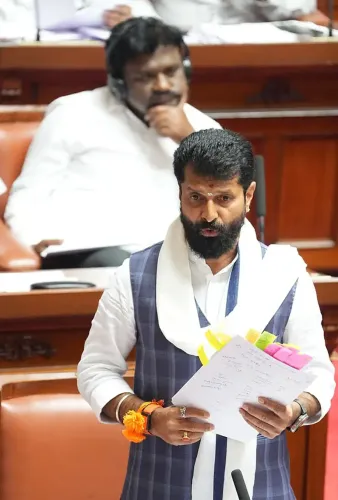
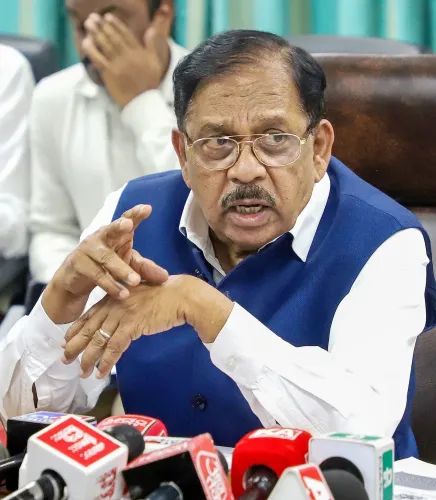
Karnataka Deputy Chief Minister and Revenue Minister G. Parameshwara on Tuesday, 22 September 2026, urged both ruling and Opposition parties to set aside political differences and forge a united position on two critical issues facing the state — the Kasturirangan report and a severe drought that has gripped most of Karnataka this year. Speaking on the floor of the Legislative Council in Bengaluru, Parameshwara called for comprehensive debate to incorporate all members' views before presenting a consensus stand to the Centre.
Kasturirangan Report: A Deadline Looms
Parameshwara stressed that the state government was required to submit its response to the seventh draft of the Kasturirangan report to the Centre within a stipulated period. He argued that only a thorough discussion within the House — drawing on perspectives from both the treasury benches and the Opposition — could produce a credible, unified position. The report, which pertains to the ecologically sensitive Western Ghats and carries significant implications for Karnataka's land use and development policies, has long been a politically contentious issue in the state.
Drought Situation: Rainfall Down 36% Across Karnataka
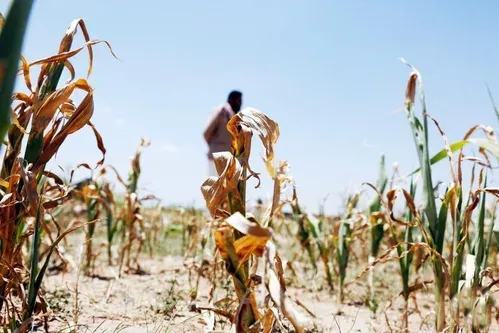
Parameshwara described the drought this year as exceptionally widespread, noting it was not limited to a handful of taluks but had spread across most of the state. Karnataka normally receives around 852 mm of rainfall during the relevant period, but only 642 mm had been recorded — a shortfall driven partly by an unusually intense El Niño phenomenon. The state's average rainfall deficiency stands at 36 per cent. Region-wise, South Interior Karnataka recorded the worst deficit at 46 per cent, followed by North Interior Karnataka at 44 per cent, Malnad at 38 per cent, and the coastal region at 28 per cent. Severe rainfall deficiency was reported across the state from June to September 26.
Farmers in Distress as Crops Fail Twice Over
The erratic rainfall pattern left farmers in acute distress. Many sowed crops after the onset of rains, only for those crops to dry up when rainfall ceased. When rains returned intermittently, farmers sowed again — and those crops too were damaged, deepening agricultural losses across the state.
177 Taluks Declared Drought-Hit, More Expected
Parameshwara outlined the state's step-by-step approach to drought classification under Centre's 2020 guidelines. In the first phase, 101 taluks were declared drought-hit; a subsequent addition of 23 taluks followed, and another 53 taluks are now being included, bringing the current total to 177 taluks. He indicated the process would continue, with the tally potentially approaching 200 taluks.
Parameshwara acknowledged that the state must adhere to centrally prescribed criteria while making drought declarations, warning that bypassing these norms could jeopardise relief funding. 'We are following the rules formulated by the Centre. The Centre should provide the drought relief due to the state under those rules. At the same time, the state government will not shy away from its responsibility and will continue to assess the situation and ensure relief reaches farmers,' he said.
A United Front Before the Centre
Closing his address, Parameshwara underscored that both the Kasturirangan report and the drought were matters of significant importance to Karnataka's interests and called on legislators across party lines to present a common front when engaging with New Delhi. Whether the Opposition responds to this olive branch will shape the state's negotiating strength on both fronts in the weeks ahead.
Point of View
Making genuine unity elusive. On the drought, the Centre-state dynamic is the real fault line: Karnataka must follow central criteria to access relief, yet those very criteria can slow the pace of declarations during an evolving crisis. The jump from 101 to a possible 200 drought-hit taluks within a single season underlines how badly the 2020 guidelines may lag ground reality. Mainstream coverage tends to treat these as separate stories; in fact, both are tests of whether Karnataka's coalition government can subordinate internal politics to state interest when the Centre holds the purse strings.
NationPress
22 Sept 2026
Frequently Asked Questions
What is the Kasturirangan report and why does it matter to Karnataka?
The Kasturirangan report recommends the demarcation of ecologically sensitive zones in the Western Ghats, with significant implications for land use, mining, and development in Karnataka. The state is required to submit its response to the seventh draft within a deadline set by the Centre, making cross-party consensus critical to presenting a strong position.
How severe is Karnataka's drought in 2026?
Karnataka's average rainfall deficiency stands at 36 per cent for the June-to-September period, with actual rainfall of just 642 mm against a normal of 852 mm. South Interior Karnataka is the worst-hit region at a 46 per cent deficit, and 177 taluks have so far been declared drought-hit, a number that could approach 200.
How many taluks have been declared drought-hit in Karnataka?
As of Deputy CM Parameshwara's statement on 22 September 2026, 177 taluks are on the drought-hit list. The Centre's 2020 guidelines led to an initial declaration of 101 taluks, followed by 23 more, and now an additional 53 are being added, with more likely to follow.
Why can't Karnataka simply declare all affected taluks drought-hit at once?
The state must adhere to criteria prescribed under the Centre's 2020 guidelines when making drought declarations. Parameshwara cautioned that bypassing those norms — even with the best intentions — could create difficulties in securing central relief funds, making a process-driven approach necessary.
What has the government said about relief for farmers?
Parameshwara stated the government would not shy away from its responsibility and would continue to assess ground conditions to ensure relief reaches farmers. He also urged the Centre to release drought relief due to Karnataka under the existing rules.