Karnataka drought: 178 taluks hit, CM Shivakumar orders ₹1 crore per rural taluk
Synopsis
With 178 taluks reeling under a 60 per cent rainfall deficit and groundwater declining in 88 taluks, Karnataka CM D.K. Shivakumar has put district administrations on notice — demanding field-verified reports, video-recorded borewell drilling, and a drought dossier for the Centre within 15 days, backed by ₹1 crore per rural taluk for immediate water relief.
Key Takeaways
178 taluks in Karnataka are drought-affected, with a 60 per cent rainfall deficit recorded statewide as of 19 July .
Parameshwara cited an even higher 68 per cent deficit , with groundwater declining in 88 taluks .
Shivakumar announced ₹1 crore in additional funds for each rural taluk to address drinking water shortages.
District administrations have been given 15 days to compile drought data for submission of a formal report to the Centre.
Officials must video-record all new borewell drilling; Zilla Panchayat CEOs face direct accountability for bogus claims.
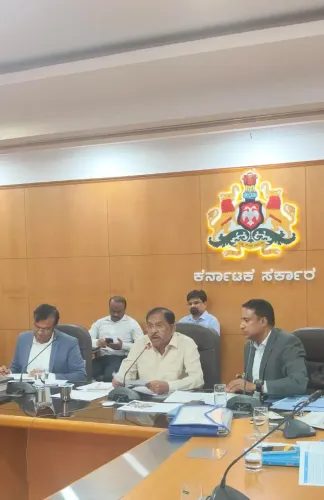
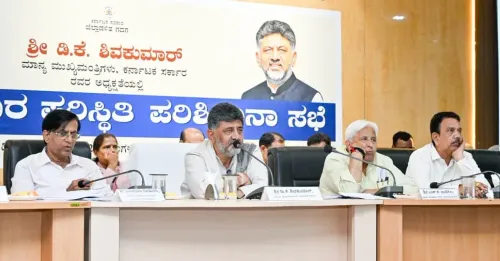
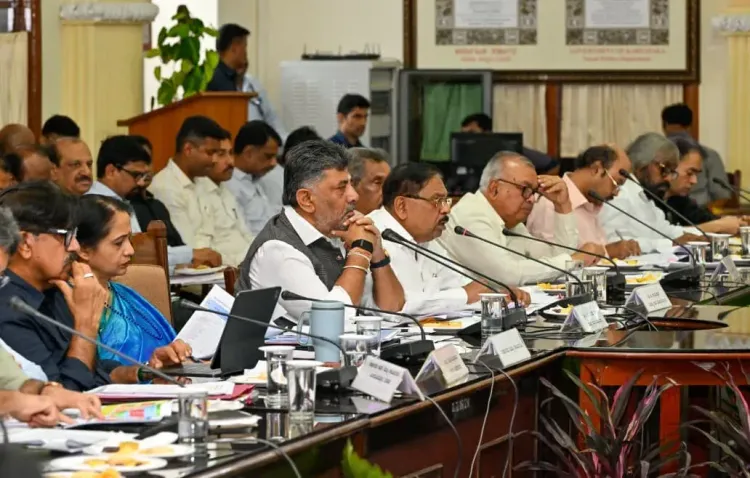
The review meeting at Vidhana Soudha was attended by senior ministers, the Chief Secretary, and top bureaucrats.
Karnataka Chief Minister D.K. Shivakumar on Sunday, 19 July chaired a high-level review meeting at Vidhana Soudha in Bengaluru, bringing together Deputy Commissioners and Chief Executive Officers of Zilla Panchayats to assess the worsening drought gripping the state. With 178 taluks affected and a 60 per cent rainfall deficit recorded, the Chief Minister announced ₹1 crore in additional funds for each rural taluk to tackle drinking water shortages.
Scale of the Crisis
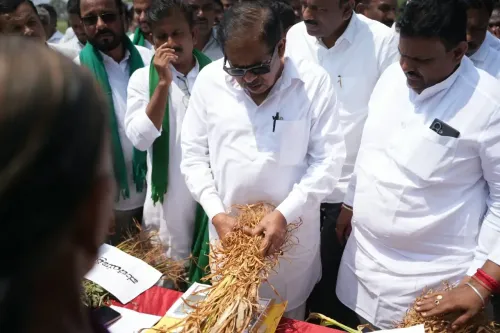
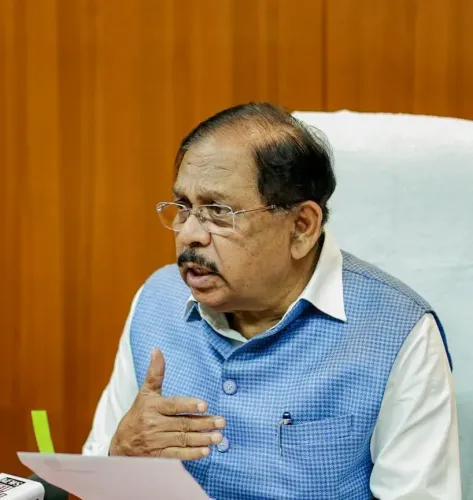
The drought situation in Karnataka has deteriorated sharply, with officials reporting a 60 per cent rainfall deficit statewide. Deputy Chief Minister and Revenue Minister G. Parameshwara placed the deficit figure even higher at 68 per cent during a video conference, adding that groundwater levels have declined in 88 taluks across the state. The review meeting focused on drinking water supply, fodder availability for livestock, agricultural guidance, and employment generation in affected regions.
What the Chief Minister Directed
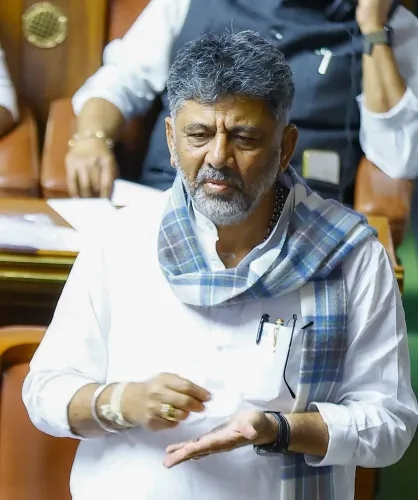
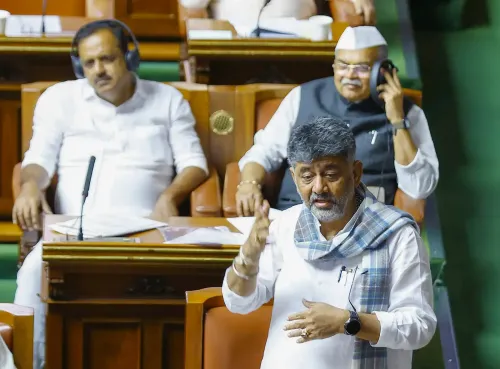
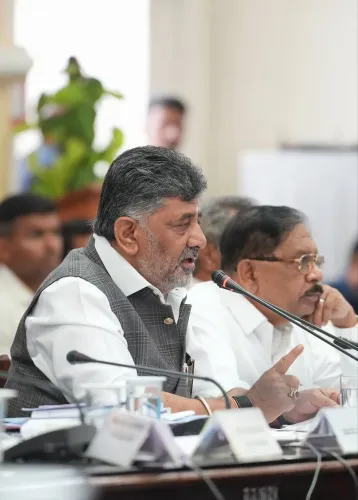
Shivakumar called on district administrations to function as 'Team Karnataka' and warned that he would rely on field reports rather than paper submissions. 'If there is any discrepancy between field reports and the reports submitted by officials, action will be taken,' he said. He set a 15-day deadline for districts to compile comprehensive drought data to support a formal drought report submission to the Centre. He also directed officials to advise farmers on crop planning based on actual rainfall patterns and current reservoir storage levels.
Borewell Accountability and Transparency
In a pointed directive aimed at curbing corruption, Shivakumar instructed officials to video-record the drilling of all new borewells. He warned that Zilla Panchayat CEOs would be held directly accountable for any fake or bogus borewell claims — a signal that the administration intends to monitor relief expenditure closely at the ground level.
Revenue Minister's Directions
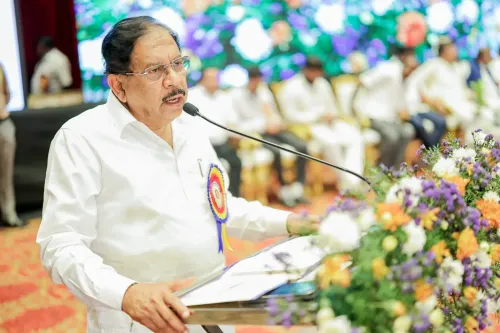
Deputy Chief Minister Parameshwara directed officials to ensure no hardship is caused to people or livestock. He called for prioritising drinking water supply, fodder availability, and employment generation, and instructed district teams to expedite works under the VB-G RAM G Scheme. He also asked for weekly district task force meetings and regular ground reports to facilitate both state-level relief and a formal request for Central assistance.
Senior Officials and Ministers Present
The meeting was attended by Ministers K.J. George, Ramalinga Reddy, Eshwar Khandre, and Yathindra Siddaramaiah. Chief Secretary Shalini Rajneesh, Chief Minister's Economic Advisor L.K. Atheeq, and Additional Chief Secretaries Tushar Girinath and Gaurav Gupta were also present. The breadth of attendance underscores the severity with which the state government is treating the drought emergency. The administration's next step will be submitting the formal drought memorandum to the Centre, which could unlock Central relief funds for Karnataka's affected districts.
Point of View
Field-report mandates, and a borewell video directive — but the harder question is whether the administrative machinery can deliver before the crisis deepens. The 15-day deadline for a Central drought report is tight, and past Karnataka drought memoranda have faced delays in both submission and disbursement. The ₹1 crore per rural taluk allocation is a holding measure, not a structural fix; with groundwater declining in 88 taluks, the state's dependence on a formal Central relief package is real and urgent. Whether Shivakumar's 'Team Karnataka' framing translates into coordinated district action — or dissolves into the usual bureaucratic friction — will determine how much of this crisis is managed versus merely reviewed.
NationPress
18 Oct 2026
Frequently Asked Questions
How many taluks are affected by the Karnataka drought?
As of 19 July, 178 taluks across Karnataka are drought-affected, according to Chief Minister D.K. Shivakumar. The state has recorded a 60 per cent rainfall deficit, with Deputy CM G. Parameshwara citing an even higher figure of 68 per cent during the same review meeting.
What relief measures has the Karnataka government announced?
CM Shivakumar announced ₹1 crore in additional funds for each rural taluk to address drinking water shortages. Officials have also been directed to advise farmers based on rainfall patterns and reservoir levels, and to expedite works under the VB-G RAM G Scheme for employment generation.
When will Karnataka submit its drought report to the Centre?
District administrations have been given 15 days from 19 July to compile comprehensive drought data. The formal drought memorandum will then be submitted to the Centre to seek Central relief assistance.
Why did CM Shivakumar order video recording of borewell drilling?
Shivakumar directed officials to video-record all new borewell drilling to ensure transparency and prevent fake or bogus borewell claims. He warned that Zilla Panchayat CEOs would be held directly responsible for any fraudulent claims under drought relief expenditure.
Which districts face the worst groundwater decline in Karnataka?
According to Deputy CM G. Parameshwara, groundwater levels have declined in 88 taluks across Karnataka. The state government has prioritised drinking water supply in these areas as the most immediate concern amid the ongoing drought.