Karnataka earns ₹423 crore from surplus power sales: Minister KJ George
Synopsis
Karnataka quietly turned its summer power surplus into a ₹423 crore revenue stream — selling excess hydro and thermal generation to the national grid at ₹9.08 per unit. With the state also clocking its highest-ever peak demand of 18,655 MW in 2025–26 and a 22.39 per cent consumption surge already this year, the dual challenge of trading surplus while managing record demand defines the new reality for Karnataka's energy sector.
Key Takeaways
PCKL earned ₹423 crore by selling surplus electricity to the national grid between April and 8 June 2026 at an average rate of ₹9.08 per unit .
Karnataka recorded its highest-ever peak demand of 18,655 MW in 2025–26 , with total consumption at 96,383 MU , up 4 per cent .
Electricity consumption in the current year (up to 8 June 2026 ) has grown 22.39 per cent year-on-year, driven by the failure of pre-monsoon rains.
ESCOMs have replaced 33,400 poles , 1,441 transformers , and 343.56 km of power lines ahead of the monsoon.
The department has deployed 20,012 linemen and 4,883 monsoon gangmen , with stockpiles of 99,530 poles and 12,733 transformers ready for rapid restoration.
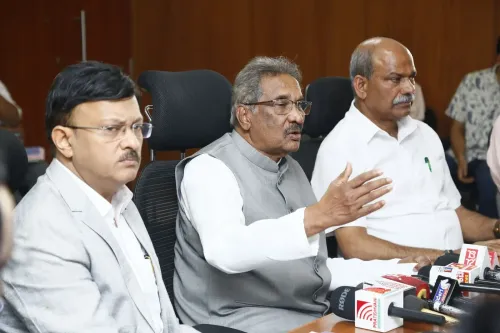
The Power Company of Karnataka Limited (PCKL) has earned ₹423 crore by selling surplus electricity to the national grid between April and 8 June 2026, Karnataka Energy and Tourism Minister K.J. George announced on Wednesday, 10 June. The minister described the achievement as a significant milestone in the state's push to optimise power generation and grid management.
How Karnataka Traded Its Surplus Power
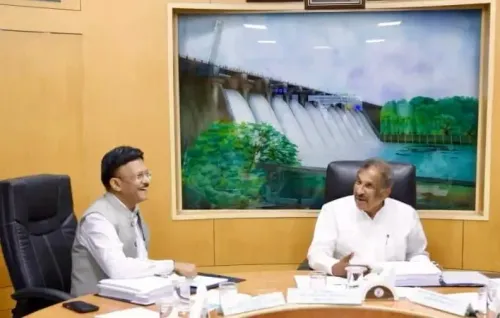
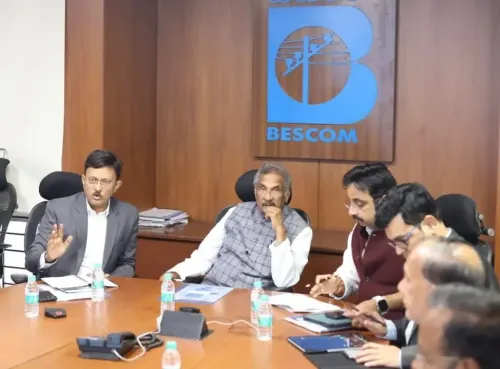
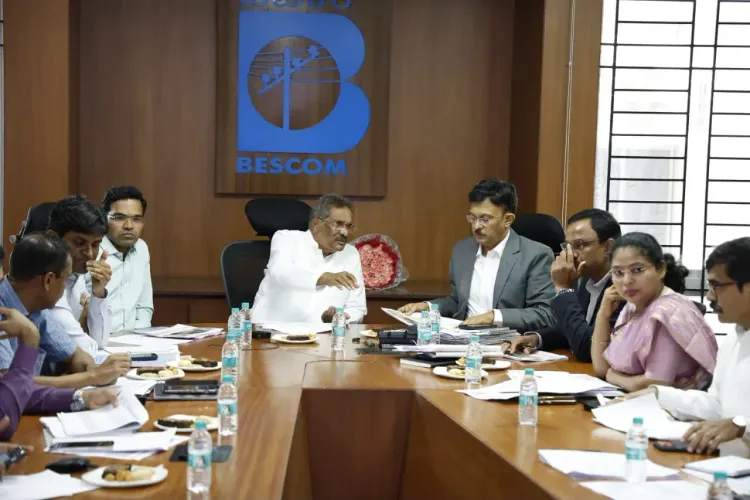
Speaking after chairing a review meeting with senior Energy Department officials at Belaku Bhavana in Bengaluru — his first such review since assuming charge as Energy Minister — George said the state had successfully navigated summer demand through strategic energy trading.
"We purchased low-cost power during the daytime and generated excess electricity from hydro, thermal and other sources during peak periods, which was then sold to the national grid," he said. PCKL sold the surplus at an average rate of ₹9.08 per unit, generating the ₹423 crore in revenue.
Monsoon Preparedness: Infrastructure and Manpower
George also reviewed the department's readiness for the upcoming monsoon season, directing officials to ensure swift power restoration in the event of rain- or wind-related disruptions. Electricity supply companies (ESCOMs) across the state have already replaced 33,400 power poles, 1,441 transformers, and 343.56 kilometres of power lines as part of preventive measures.
To bolster emergency response, the department has deployed 20,012 regular linemen and 4,883 specially hired monsoon gangmen. Stockpiles of 99,530 poles and 12,733 transformers have been maintained to enable rapid restoration and minimise outages.
Karnataka's Electricity Demand: Three-Year Trend
The minister presented a three-year picture of the state's power consumption. In 2023–24, Karnataka recorded a peak demand of 17,220 MW and total consumption of 94,982 million units (MU), with a 24 per cent growth driven largely by drought conditions. In 2024–25, peak demand rose to 18,395 MW while consumption stood at 92,699 MU, a 2 per cent decline attributed to a favourable monsoon reducing power requirements.
In 2025–26, Karnataka recorded its highest-ever peak demand of 18,655 MW, with total consumption reaching 96,383 MU — a 4 per cent increase over the previous year.
Current Year Demand Surges on Weak Pre-Monsoon Rains
For the current financial year up to 8 June 2026, the state has already logged a peak demand of 18,477 MW and consumption of 21,789 MU. Consumption during this period has grown by 22.39 per cent compared to the same period last year, largely due to the failure of pre-monsoon rains, which significantly elevated electricity demand ahead of the season.
With Karnataka's grid now demonstrating both commercial agility and operational resilience, the focus shifts to whether the state can sustain this surplus-trading model as monsoon patterns remain unpredictable.
Point of View
But the headline obscures a more complex picture: the same state that sold excess power in April-June is also recording a 22.39 per cent consumption surge this year on the back of failed pre-monsoon rains. That tension — between a grid efficient enough to trade surplus and a climate-vulnerable demand curve that keeps breaking records — is the real story. The state's ability to repeat this commercial performance hinges almost entirely on rainfall, making it a fragile revenue model. A structural investment in storage and renewable baseload, not just seasonal optimisation, is what would make this milestone durable.
NationPress
19 Sept 2026
Frequently Asked Questions
How much did Karnataka earn from surplus power sales in 2026?
Karnataka's Power Company of Karnataka Limited (PCKL) earned ₹423 crore by selling surplus electricity to the national grid between April and 8 June 2026, at an average rate of ₹9.08 per unit. The announcement was made by Energy Minister K.J. George on 10 June 2026.
What is Karnataka's highest-ever peak electricity demand?
Karnataka recorded its highest-ever peak electricity demand of 18,655 MW during the 2025–26 financial year, with total consumption reaching 96,383 million units — a 4 per cent increase over the previous year.
Why has Karnataka's electricity consumption surged in 2026?
Electricity consumption in Karnataka grew 22.39 per cent year-on-year up to 8 June 2026, primarily because pre-monsoon rains failed, significantly increasing power demand for cooling and irrigation. A similar drought-driven spike of 24 per cent was seen in 2023–24.
How is Karnataka preparing for monsoon-related power disruptions?
ESCOMs have replaced 33,400 poles, 1,441 transformers, and 343.56 km of power lines as preventive measures. The department has also deployed 20,012 regular linemen and 4,883 specially hired monsoon gangmen, with stockpiles of 99,530 poles and 12,733 transformers maintained for rapid restoration.
Who is Karnataka's current Energy Minister?
K.J. George is Karnataka's Energy and Tourism Minister. He chaired his first departmental review meeting at Belaku Bhavana in Bengaluru on 10 June 2026 after assuming charge as Energy Minister.