Kashmiri Pandit Youth Aims to Foster Community Trust in the Valley
Synopsis
In a remarkable effort, a young Kashmiri Pandit is redefining the narrative of Kashmir for youth, aiming to bridge the gaps created by decades of violence and migration. His commitment to community trust and local engagement is paving the way for a new era of leadership in the Valley.
Key Takeaways
Arhan Bagati is working to rebuild trust between communities in Kashmir.
He founded KYARI to address civic and social issues in the region.
His film 'Ground Zero' reflects his commitment to storytelling.
He emphasizes the importance of understanding local challenges.
Arhan’s journey symbolizes hope for coexistence in Kashmir.
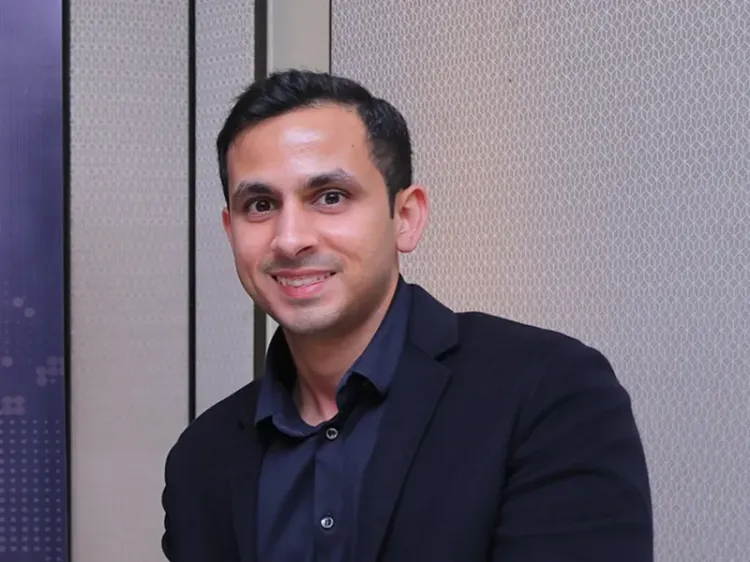
Srinagar, March 11 (NationPress) In a quiet yet impactful initiative, a young Kashmiri Pandit is working to transform the perception of Kashmir for the younger generation, aiming to shed the heavy legacy of migration and the inter-community tensions that have plagued the region for over thirty years.
At just 26 years old, Arhan Bagati grew up in Delhi after his family left the Valley. He pursued his studies in the United States but decided to return to his roots in Kashmir, enriched by his global experiences.
Now residing in the beautiful Nishat area of Srinagar, which overlooks Dal Lake and is framed by the majestic Zabarwan mountain range, Arhan considers this his “new home.”
With a determination to establish both professional and civic connections in the land his family once cherished, he remains undeterred by last year’s terror incident in Pahalgam, asserting that terrorism should not dictate how people live their lives.
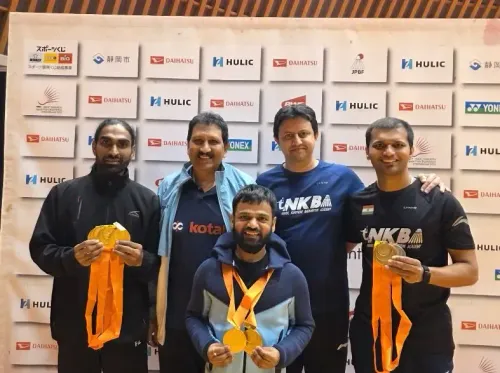
Arhan is a co-producer of the Bollywood film ‘Ground Zero’, featuring Emraan Hashmi. Before venturing into the film industry, he gained national recognition as the youngest Deputy Chef de Mission for India’s team at the Tokyo Paralympics.
He has also acted as an ambassador for the Paralympic Committee of India and initiated digital programs aimed at supporting Indian Paralympic athletes on the global stage.
His work emphasizes practical systems and access rather than mere symbolism.
In Srinagar, he established the Kashmir Yumberzal Applied Research Institute (KYARI), a think tank dedicated to generating applied research on civic and social challenges in Jammu and Kashmir.
KYARI's mission involves identifying developmental obstacles and proposing actionable solutions. Arhan views KYARI as a platform to address critical yet often neglected issues, hoping to produce valuable work that can instigate positive change.
Recognized as one of the youngest recipients of a government award for social reform and empowerment in Jammu and Kashmir, he sees this acknowledgment as proof that youth should not wait their turn to make a difference.
After completing his education at Harvard, Arhan plans to devote himself full-time to KYARI. He emphasizes the importance of aligning ground realities with public policy and insists that understanding local complexities is essential for effective problem-solving.
His return is also symbolic, as he aims to challenge the notion that coexistence between Muslims and Kashmiri Pandits is a relic of the past.
Arhan expresses a desire to foster trust among different communities and to contribute to a new paradigm of Kashmiri leadership—one that is globally educated yet deeply rooted in local investment, even as he acknowledges the journey is fraught with both opportunities and challenges.
Frequently Asked Questions
Who is Arhan Bagati?
Arhan Bagati is a 26-year-old Kashmiri Pandit who aims to rebuild trust among communities in Kashmir while promoting local development through his initiatives.
What notable film did Arhan co-produce?
Arhan co-produced the Bollywood film 'Ground Zero', which features actor Emraan Hashmi.
What award did Arhan receive?
He was recognized as one of the youngest recipients of a Jammu and Kashmir government award for social reform and empowerment.
What are Arhan's future plans?
After graduating from Harvard, Arhan plans to work full-time with KYARI, focusing on local development and community trust-building.