Kejriwal visits Ayodhya Ram Temple, slams SIT probe as 'eyewash'
Synopsis
Kejriwal's Ayodhya visit was equal parts pilgrimage and political offensive. By praying at the Ram Temple while simultaneously calling its SIT probe illegal and demanding an FIR over an alleged Rs 200 crore theft, he has put the Yogi government in an uncomfortable spot — and found an unlikely ally in the VHP.
Key Takeaways
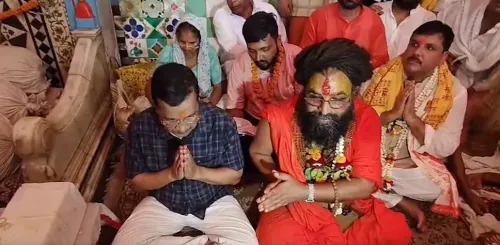
Arvind Kejriwal visited the Ram Temple in Ayodhya on Friday, 27 June , offering prayers and meeting seers.
He called the SIT probe into alleged donation theft an 'eyewash', arguing it is legally invalid without a prior FIR .
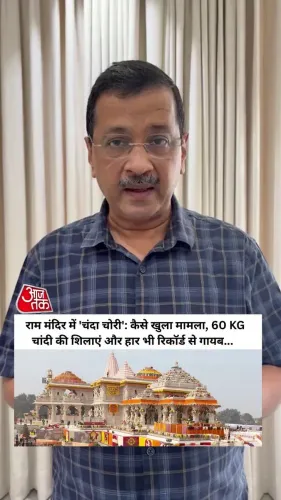
Kejriwal cited media reports alleging theft of Rs 200 crore in cash and approximately 2 kg of silver from temple offerings.
He alleged the SIT was formed to 'protect big names' and questioned its authority to probe without an FIR under the CrPC .
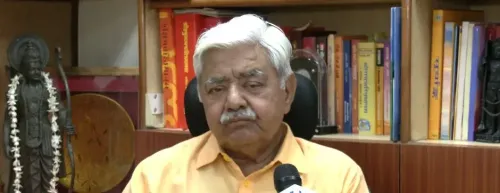
VHP President Alok Kumar independently demanded an immediate FIR, calling the diversion of offerings an injury to Hindu faith.
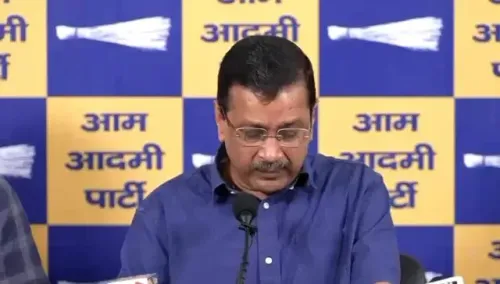
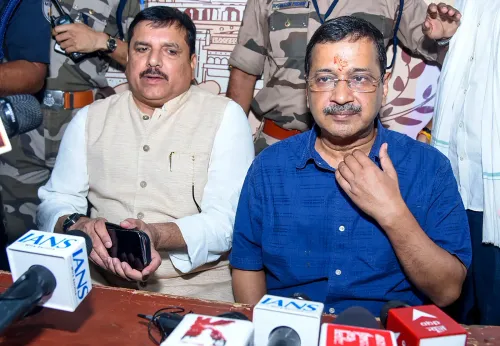
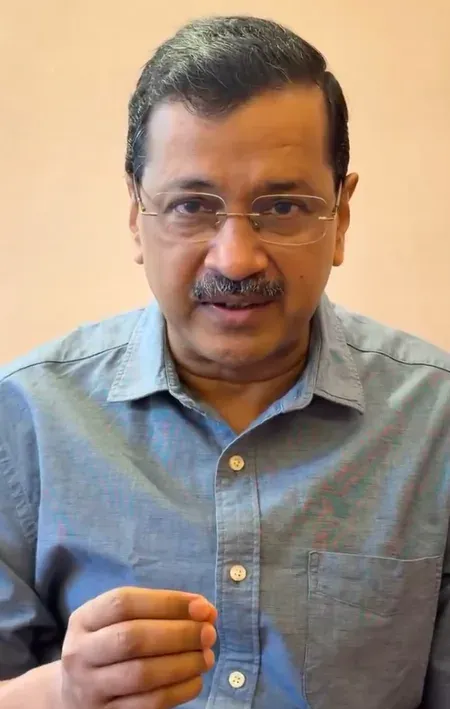
Aam Aadmi Party (AAP) convener Arvind Kejriwal visited the Ram Temple in Ayodhya on Friday, 27 June, offering prayers and meeting seers, a day after sharply questioning the Special Investigation Team (SIT) formed to probe the alleged theft of donations at the shrine. Kejriwal, who arrived in Ayodhya on Thursday, also planned a visit to Hanumangarhi temple during his stay.
Kejriwal's Charges Against the SIT
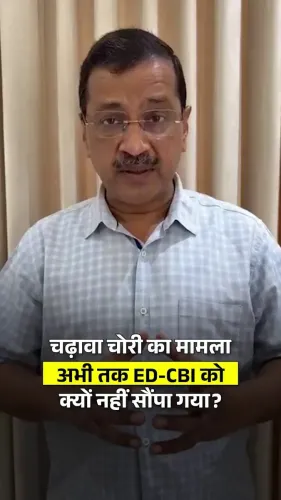
Speaking to reporters before departing for Ayodhya, Kejriwal alleged that the SIT formation was procedurally invalid. 'It is mentioned in the CrPC (Code of Criminal Procedure) that an SIT will be formed after the FIR is registered,' he stressed, noting that no First Information Report (FIR) has been filed in the matter despite the scale of the alleged theft.
'This SIT has been formed on the basis of which law? The team doesn't have any power to conduct a probe. Therefore, this SIT formation is just an eyewash and a way to deceive people,' Kejriwal said. He further alleged the SIT was formed to 'protect big names', arguing that a theft of this magnitude over an extended period could not have occurred without the backing of influential individuals.
Scale of the Alleged Theft
Citing media reports, Kejriwal said: 'These people have stolen Lord Ram's sandals, garlands, lamps, jewellery, diamonds and gems, and even the offerings made to the Lord. Cash amounting to Rs 200 crore and around 2 kg of silver have also allegedly been stolen.' He noted that while a portion of the amount had reportedly been recovered, no FIR had been lodged — a legal threshold he called non-negotiable. 'Even if Rs 100 is stolen, an FIR is lodged against it,' he said, underscoring the apparent contradiction.
VHP Backs FIR Demand
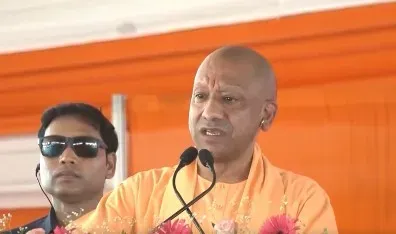
Vishva Hindu Parishad (VHP) President Alok Kumar also weighed in on Thursday, stating that an FIR should be registered immediately. Kumar stressed that any diversion of offerings made at the Ram Temple amounted to an injury to the faith of the Hindu community — a position that aligned, at least procedurally, with Kejriwal's demand, despite the two coming from vastly different political corners.
Broader Political Context
Kejriwal's Ayodhya visit comes at a time when the AAP is seeking to consolidate its Hindu voter outreach following a difficult electoral period. His decision to personally travel to one of Hinduism's most sacred sites — while simultaneously mounting a legal and political challenge to the SIT — reflects a dual strategy of devotion and accountability. This is the first high-profile political visit to the Ram Temple centred on the donation controversy, and it is unlikely to be the last, given the VHP's independent pressure for an FIR.
Point of View
Ideologically poles apart from the AAP, is making the same FIR demand suggests the criticism has cross-partisan legitimacy. What mainstream coverage underplays is the significance of the VHP's alignment: if the Sangh ecosystem is publicly pressing for an FIR, the Uttar Pradesh government's room to manoeuvre is considerably narrowed. Kejriwal's visit also signals that the Ram Temple — once seen as BJP's unassailable political territory — is now a contested accountability space.
NationPress
24 Sept 2026
Frequently Asked Questions
Why did Arvind Kejriwal visit the Ayodhya Ram Temple?
Kejriwal visited the Ram Temple in Ayodhya on Friday, 27 June, to offer prayers and meet seers. The visit came a day after he publicly questioned the SIT formed to probe alleged large-scale theft of donations at the temple, calling the probe procedurally invalid.
What is the alleged donation theft at the Ram Temple?
According to media reports cited by Kejriwal, stolen items allegedly include Lord Ram's sandals, garlands, lamps, jewellery, diamonds, gems, and cash amounting to Rs 200 crore, along with around 2 kg of silver from offerings. A portion of the amount has reportedly been recovered.
Why does Kejriwal call the SIT probe an 'eyewash'?
Kejriwal argues the SIT is legally invalid because no FIR has been registered in the matter. He cited the Code of Criminal Procedure (CrPC), which he said requires an FIR before an SIT can be constituted. Without an FIR, he contends, the team has no legal authority to investigate.
What did the VHP say about the Ram Temple theft?
VHP President Alok Kumar on Thursday demanded that an FIR be registered immediately, stating that any diversion of offerings at the Ram Temple constitutes an injury to the faith of the Hindu community — a position that echoes Kejriwal's procedural demand.
Who does Kejriwal allege is being protected by the SIT?
Kejriwal alleged the SIT was formed to 'protect big names', claiming that a theft of this scale over a prolonged period could not have occurred without the support of influential people. He did not name specific individuals.