Kejriwal Questions Modi's Intent After NEET Mastermind Acquittal
Synopsis
AAP convenor Arvind Kejriwal on 24 July 2026 called PM Modi's fast-track court promise for paper leaks 'hollow', citing the CBI's failure to secure a conviction against the alleged 2024 NEET paper leak mastermind in court on the same day the announcement was made.
Key Takeaways
Arvind Kejriwal on 24 July 2026 publicly attacked the Modi government's fast-track court announcement for paper leak cases.
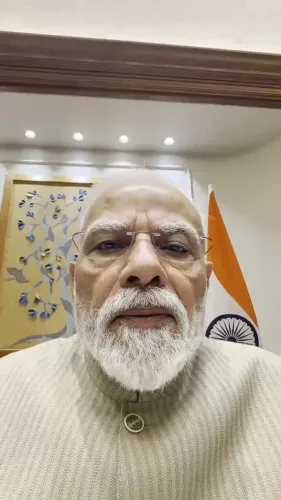
PM Modi had announced the previous night that legislation for fast-track courts would be introduced in Parliament on Monday .
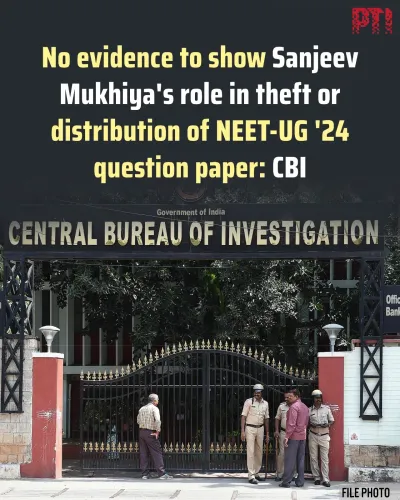
The CBI reportedly failed to secure a conviction against the alleged mastermind of the 2024 NEET paper leak , with a court declaring the accused innocent.
Kejriwal questioned the purpose of fast-track courts if the investigating agency does not present adequate evidence.
The Public Examinations (Prevention of Unfair Means) Act, 2024 was already enacted to address paper leak offences before this latest announcement.
The fast-track court bill's tabling in the monsoon session of Parliament and CBI's next steps in the NEET case remain the key developments to watch.
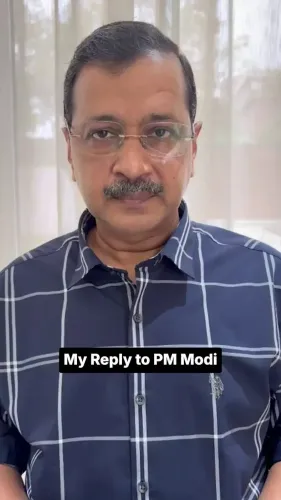
AAP convenor Arvind Kejriwal on Friday, 24 July 2026, sharply attacked the Narendra Modi government, calling its promised fast-track court legislation for paper leaks 'hollow' after the CBI reportedly failed to secure a conviction against the alleged mastermind of the 2024 NEET paper leak in court.
Context
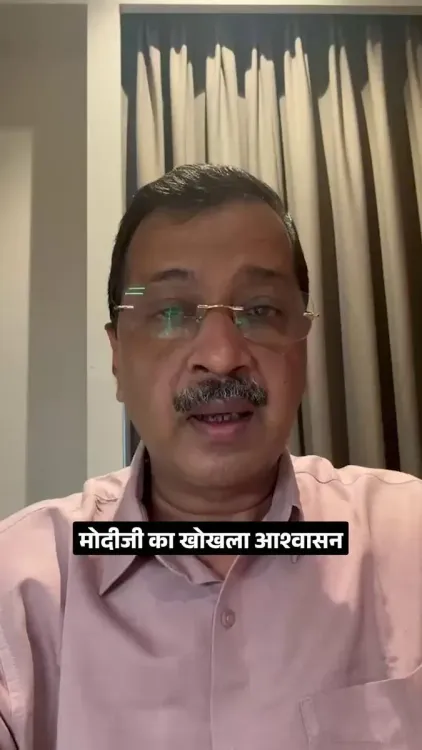
Kejriwal stated that Prime Minister Modi had announced late the previous night that a law to establish fast-track courts for paper leak cases would be introduced in Parliament on Monday. In a pointed rebuke, he wrote: 'मोदी जी का दिया आश्वासन कितना खोखला है' — 'How hollow is the assurance given by Modi ji' — arguing that events the very next day had exposed the promise's emptiness.
The former Delhi Chief Minister said the CBI had the alleged mastermind of the 2024 NEET paper leak declared innocent by a court on the same day the legislative announcement was made. He questioned the logic of creating fast-track courts if investigators were not presenting evidence: 'If this is the kind of investigation you want to carry out, if you do not intend to present proof, then why the drama of fast-track courts?'
Policy Backdrop
NEET became the sole national medical entrance examination following a 2013 Supreme Court directive aimed at standardising admissions across India. The exam has since become a high-stakes gateway for hundreds of thousands of medical aspirants each year.
In response to widespread allegations of irregularities in national recruitment and entrance tests, Parliament enacted the Public Examinations (Prevention of Unfair Means) Act, 2024, prescribing strict penalties for paper leaks and malpractice. The 2024 NEET paper leak allegations triggered nationwide protests and intense political debate, with opposition parties demanding accountability from the central government and the CBI.
Competitive examinations in India have repeatedly faced leak allegations over successive decades, prompting demands for specialised judicial mechanisms and tougher enforcement. The proposed fast-track court bill, if tabled in the monsoon session of Parliament, would mark a further legislative response to this recurring crisis.
Stakeholders and Impact
The 2024 NEET controversy directly affected lakhs of medical aspirants whose futures hinge on the integrity of the examination. The coaching industry, which trains millions of students annually for competitive tests, also faces scrutiny over its role in exam ecosystems where leaks can originate.
Kejriwal's attack is aimed squarely at the credibility of the Modi government's enforcement record. He concluded with a direct accusation: 'मोदी जी, आपकी नीयत में ही खोट है' — 'Modi ji, there is a flaw in your very intent itself' — framing the acquittal not as an investigative failure but as evidence of political will.
What's Next
All eyes will be on whether the fast-track court bill is actually tabled during the ongoing monsoon session of Parliament and what form it takes. The CBI's handling of the NEET case — including whether fresh evidence or a revised charge-sheet is filed — will face continued parliamentary and public scrutiny.
The opposition is likely to use both the legislative debate and the court outcome to press the government on exam integrity, making the NEET paper leak case a defining political flashpoint for the remainder of the session.
Point of View
He raises the political stakes well beyond a single case. This positions AAP — which has built its identity around anti-corruption credentials — to contest the government's narrative on exam integrity ahead of any parliamentary debate on the fast-track court bill. The broader pattern of successive paper leak controversies and reactive legislation suggests that institutional reform, not just new laws, will be the harder test for any government.
NationPress
23 Oct 2026
Frequently Asked Questions
What did Kejriwal say about the NEET paper leak case on 24 July 2026?
Kejriwal said PM Modi's promise to introduce fast-track court legislation for paper leaks was 'hollow', pointing to the CBI's failure to secure a conviction against the alleged 2024 NEET paper leak mastermind in court on the same day.
What is the fast-track court bill for paper leaks?
PM Modi announced that a bill to establish fast-track courts specifically for paper leak cases would be introduced in Parliament on Monday. The bill had not yet been tabled as of Kejriwal's post on 24 July 2026.
What happened to the 2024 NEET paper leak mastermind in court?
According to Kejriwal's post, the CBI had the alleged mastermind of the 2024 NEET paper leak declared innocent by a court, which Kejriwal cited as evidence of inadequate investigation.
What law already exists to deal with exam paper leaks in India?
Parliament enacted the Public Examinations (Prevention of Unfair Means) Act, 2024, which prescribes penalties for paper leaks and malpractice in national recruitment and entrance tests.
Why is NEET at the centre of a political controversy?
NEET is India's sole national medical entrance exam, affecting lakhs of aspirants. Widespread allegations of a paper leak in 2024 triggered nationwide protests and demands for accountability, making it a major political issue.