Kejriwal urges students not to quit after exam failure
Synopsis
AAP convenor Arvind Kejriwal on 27 July 2026 posted an appeal to Indian students and parents, urging young aspirants not to abandon hope after entrance exam setbacks and calling on families to provide emotional support, amid persistent concerns over mental health stress in India's high-stakes examination system.
Key Takeaways
AAP convenor Arvind Kejriwal posted on X on 27 July 2026 addressing Indian students and parents on examination stress.
He directly urged students: 'Please do not give up on life.
One entrance exam is not the end of the world.' He called on parents to 'stand firmly' behind children, cheering them 'through every high and low' while giving them space to grow.
The appeal comes in the context of India's high-stakes entrance examination regime, conducted by bodies such as the National Testing Agency for exams including JEE Main and NEET-UG .
The National Education Policy 2020 had called for reducing reliance on single high-stakes exams, but implementation remains uneven.
Kejriwal's AAP government in Delhi had positioned school reform — including infrastructure upgrades and teacher development — as a flagship governance initiative since 2015 .
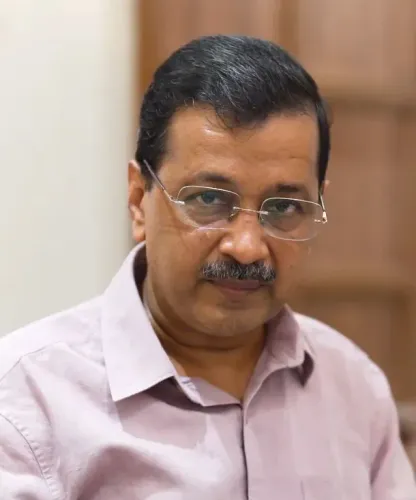
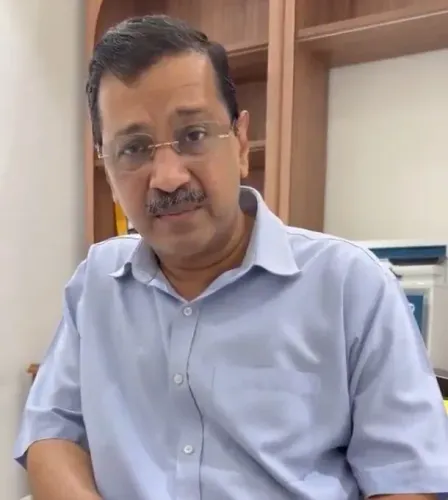
AAP convenor Arvind Kejriwal on Monday, 27 July 2026, took to X to address both students and parents amid growing concerns over examination stress in India, urging young aspirants to persevere and reminding families to stand firmly behind their children through academic setbacks.
Context
Kejriwal's message, directed at students and parents alike, comes against a backdrop of intense pressure that India's high-stakes entrance examination system places on adolescents each year. 'Dear Students, please do not give up on life. One entrance exam is not the end of the world,' he wrote, adding, 'I know it hurts, but you can always fight back and build a great life for yourself.'
To parents, he said: 'We must step up now to stand firmly behind them, cheering them through every high and low. We must protect them while allowing space to fly and grow.' He closed with a note of national urgency: 'We are counting on you for India's future.'
Policy Backdrop
India's competitive entrance examination regime — anchored by bodies such as the National Testing Agency (NTA), which conducts JEE Main and NEET-UG — has long been linked to acute mental health stress among adolescents. Coaching hubs, most notably Kota in Rajasthan, have witnessed recurring student suicides, prompting multiple state and central interventions since 2017 focused on mandatory counselling in coaching centres.
The National Education Policy 2020, approved by the central government, specifically called for transforming assessment systems, reducing the weight of single high-stakes examinations and promoting multidisciplinary learning pathways. Implementation, however, has been uneven across states and institutions.
Kejriwal's own track record on education is central to his political identity. The Aam Aadmi Party government in Delhi, during its tenure from 2015, launched a school reform programme that included new infrastructure, libraries and continuous teacher development — positioning education as its signature governance model.
Stakeholders and Impact
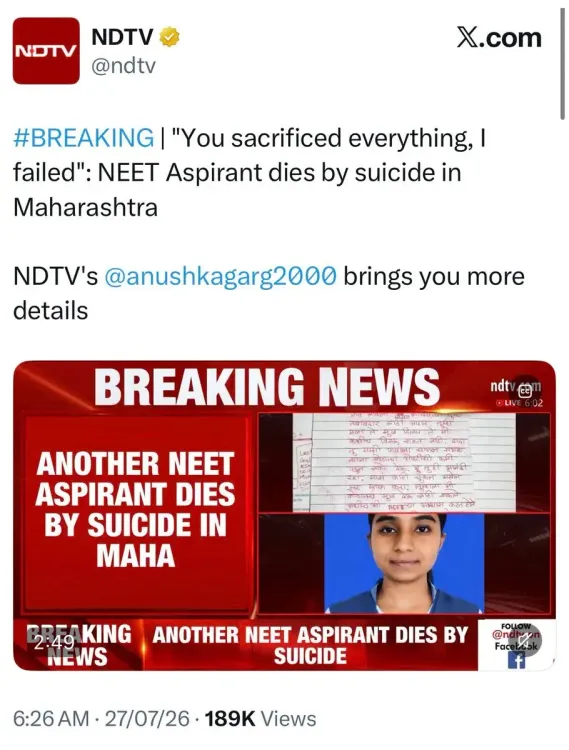
The post speaks directly to millions of Indian families whose children appear for entrance examinations each year. With lakhs of students competing for a limited number of seats in premier medical and engineering institutions, the psychological toll on aspirants — and on parents — is well-documented by mental health researchers and child welfare advocates.
Political messaging on student welfare from senior leaders carries weight in shaping public discourse, particularly when it surfaces around examination seasons or in the wake of widely reported tragedies. Kejriwal's appeal, framed in empathetic rather than partisan terms, is addressed to all students and parents regardless of political affiliation.
What's Next
Attention will now turn to whether the Ministry of Education or the NTA responds with concrete measures — such as expanded counselling mandates, revised exam schedules or diversified evaluation frameworks — to address the systemic stress Kejriwal has highlighted. Parliamentary and state-level discussions on dedicated student mental health legislation remain an open and pressing question. As India's youth population continues to grow, the pressure on its examination infrastructure is unlikely to ease without structural reform.
Point of View
Non-partisan language, he positions AAP as a party of student welfare at a moment when the examination system faces sustained public scrutiny. The appeal also reinforces his long-standing political brand built on Delhi's school reform narrative, keeping education at the centre of AAP's identity even outside election cycles. If followed by concrete policy proposals, this could sharpen the party's differentiation from both the ruling central dispensation and rival state governments on the education front.
NationPress
25 Oct 2026
Frequently Asked Questions
Why did Kejriwal post a message to students and parents in July 2026?
AAP convenor Arvind Kejriwal posted the message on 27 July 2026 amid widespread concern over examination stress and student mental health in India, urging students not to give up after entrance exam failures and asking parents to support their children emotionally.
What did Kejriwal say to students about entrance exams?
Kejriwal told students directly: 'Please do not give up on life. One entrance exam is not the end of the world. I know it hurts, but you can always fight back and build a great life for yourself.'
What is the NTA and why is it relevant to student stress in India?
The National Testing Agency is the autonomous body that conducts high-stakes national entrance examinations including JEE Main for engineering and NEET-UG for medical admissions. The intense competition for limited seats in premier institutions has been widely linked to mental health stress and, in some cases, student suicides.
What has the AAP done for education and student welfare?
The AAP government in Delhi launched a school reform programme from 2015 that included new infrastructure, libraries and continuous teacher training. The party has consistently highlighted education quality and student welfare as central to its governance model.
Does India have a policy to reduce entrance exam pressure on students?
The National Education Policy 2020, approved by the central government, called for transforming assessment systems and reducing the weight of single high-stakes examinations in favour of multidisciplinary and continuous evaluation. However, implementation across states and institutions has been uneven.