Kerala LPST hunger strike ends after 37 days as minister steps in
Synopsis
After 37 days of hunger strike outside the Kerala Secretariat — including protesters eating grass and painting clown faces — Education Minister Shamsudeen personally offered lime juice to end the fast. But the rank holders are not leaving: they have warned symbolic protests will continue until the government's assurances on teacher recruitment and PSC list validity become concrete action.
Key Takeaways
A 37-day indefinite hunger strike by LPST rank holders outside the Kerala Secretariat ended on 11 August after talks with Education Minister N.
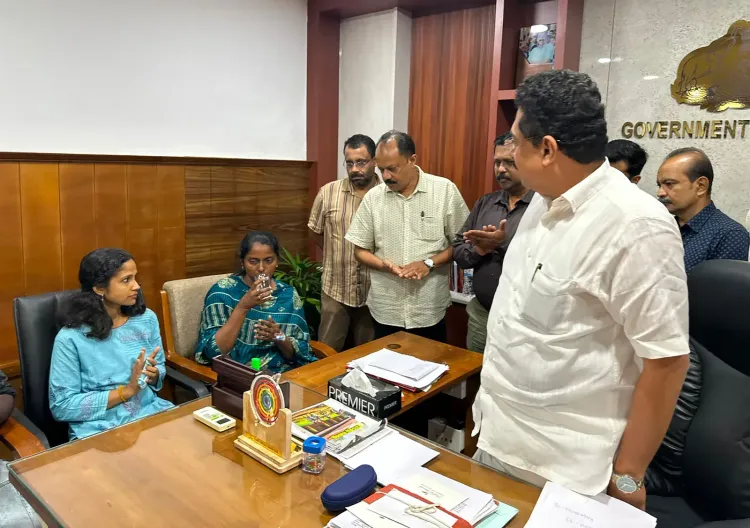
Valarmathi ended her fast after the minister personally offered her lime juice, signalling a temporary truce.
Protesters demand extension of PSC rank list validity, maximum appointments from the existing list, and creation of new teaching posts.
Unconventional protests included candidates eating grass on day 35 and UPST rank holders painting clown faces on themselves.
Rank holders have warned they will not vacate the protest venue and will continue symbolic agitation until assurances are implemented.
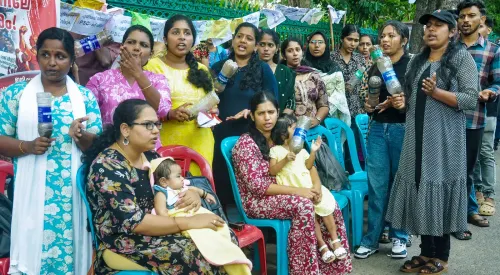
A 37-day indefinite hunger strike by LPST rank holders outside the Kerala Secretariat in Thiruvananthapuram was called off on 11 August following direct intervention by Education Minister N. Shamsudeen, who met the protesters and offered assurances on their long-pending demands related to teacher recruitment and PSC rank list validity.
How the Standoff Ended
The breakthrough came after minister-level negotiations during which the government assured the protesters that their demands would be considered favourably. In a symbolic gesture, Shamsudeen personally offered lime juice to S. Valarmathi, the hunger strike's lead protester, marking the formal end of her fast. Valarmathi's health had deteriorated significantly in the final days of the agitation, increasing pressure on the state government to act.
What the Protesters Are Demanding
The LPST and UPST rank holders have been pressing for three core demands: an extension of the validity of the PSC rank list, appointments against the maximum possible number of vacancies from the existing list, and the creation of additional teaching posts by reducing the student-teacher ratio. These demands reflect a broader concern among candidates who cleared competitive examinations but face an uncertain wait for actual appointments.
A Protest That Escalated Sharply
The agitation intensified after the government sought two months' time to examine the demands — a request the rank holders rejected outright. What followed was a series of unconventional demonstrations. On the 35th day, LPST candidates staged a symbolic protest by eating grass on the street, drawing widespread public attention. UPST rank holders, whose parallel protest had crossed 11 days, painted clown faces on themselves to highlight what they described as the government's indifference to their cause.
Truce, Not a Resolution
The rank holders have made it unambiguously clear that the withdrawal of the hunger strike does not amount to the end of the agitation. They have stated they will remain at the protest venue and continue symbolic demonstrations until the government translates its assurances into concrete action. The development is widely being characterised as a temporary truce. The government now faces the task of converting its commitments into verifiable decisions — failing which, the agitation could regain momentum with renewed intensity.
Point of View
Not a settlement. The Kerala government's pattern here is familiar: absorb protest pressure with assurances, buy time, and hope the agitation loses steam. The rank holders — who have already rejected a two-month deferral once — appear to have learned from that experience, which is why they are staying put at the venue. The real question is whether the PSC rank list extension and additional teaching posts will survive the government's internal budget and cadre-management constraints, or whether this truce simply resets the clock on an agitation that will return, louder, in a few weeks.
NationPress
11 Aug 2026
Frequently Asked Questions
Why were LPST rank holders on hunger strike in Kerala?
LPST and UPST rank holders were protesting outside the Kerala Secretariat to demand an extension of PSC rank list validity, maximum appointments against available vacancies, and creation of new teaching posts by reducing the student-teacher ratio. The strike ran for 37 days before being called off on 11 August.
How did the Kerala hunger strike end?
Education Minister N. Shamsudeen met the protesters and offered assurances that their demands would be considered favourably. He personally offered lime juice to strike leader S. Valarmathi, marking the formal end of the indefinite fast.
Is the Kerala LPST agitation completely over?
No. The rank holders have clarified that only the hunger strike has been withdrawn, not the agitation itself. They will remain at the protest venue and continue symbolic demonstrations until the government implements its assurances.
What unconventional protests did the rank holders stage?
On the 35th day, LPST candidates ate grass on the street as a symbolic protest. UPST rank holders, whose parallel agitation had crossed 11 days, painted clown faces on themselves to highlight what they alleged was government indifference to their demands.
What happens next in the Kerala teacher recruitment protest?
The government must now convert its ministerial assurances into concrete decisions on PSC rank list extension and new teaching posts. The rank holders have warned that failure to act will reignite the agitation, making the coming weeks a critical window for the state administration.