Kerala HC stays order on PSC exam records disclosure for one month
Synopsis
The Kerala High Court has put a one-month brake on the State Information Commission's order directing the PSC to hand over examination records tied to alleged irregularities in a Planning Board recruitment. The ruling surfaces a tension at the heart of India's RTI framework — how far confidentiality of ongoing recruitment can override a citizen's right to information.
Key Takeaways
The Kerala High Court on 11 August stayed for one month the State Information Commission's order directing the PSC to disclose recruitment examination records.
The records relate to alleged irregularities in a Kerala State Planning Board recruitment examination.
The PSC argued that the interview stage of the selection process was still pending and premature disclosure could compromise confidentiality.
The RTI application was filed by Thiruvananthapuram resident Shyam Krishna , who sought answer scripts and interview mark lists.
The court has issued notice to the complainant; further proceedings will decide whether disclosure can occur before the process concludes.
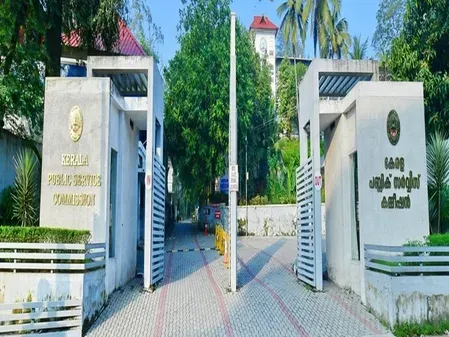
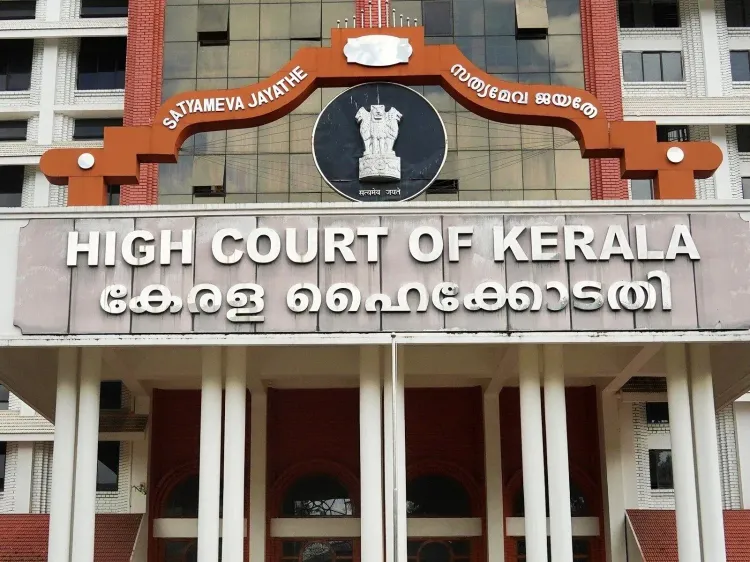
The Kerala High Court on Tuesday, 11 August stayed for one month an order issued by the State Information Commission that had directed the Public Service Commission (PSC) to disclose examination records linked to alleged irregularities in a Kerala State Planning Board recruitment examination. The court simultaneously issued notice to the complainant, Thiruvananthapuram resident Shyam Krishna, whose Right to Information (RTI) application had originally triggered the Information Commission's directive.
Background to the Dispute
The case originates from an RTI application filed by Shyam Krishna seeking complete examination records — including answer scripts and the interview mark list — relating to the Planning Board recruitment process. The State Information Commissioner had acted on his complaint and directed the PSC to furnish the requested documents. The PSC, however, did not comply with the order.
The Information Commissioner had subsequently criticised the PSC's non-compliance, coming down heavily on the commission for its delay in providing the records. This standoff between the two bodies set the stage for the High Court's intervention.
PSC's Argument Before the High Court
The PSC challenged the Information Commissioner's directive through a writ petition, contending that the selection process — specifically the interview stage — had not yet been completed. It argued that premature disclosure of examination records could compromise the confidentiality and integrity of the ongoing recruitment process.
The commission submitted that the records could be furnished once the selection process was fully concluded. The High Court, after hearing these arguments, granted the one-month stay. Notably, the PSC's writ petition had earlier encountered a procedural hurdle, with the court directing the commission to rectify a defect in the petition before resubmitting it.
What the Stay Means
The one-month stay temporarily halts the Information Commission's direction to hand over the examination records to the complainant. The court has asked Shyam Krishna to respond to the PSC's challenge. Further proceedings will determine whether the documents can be disclosed before the recruitment process is formally concluded.
This intervention places the broader question of RTI access versus recruitment confidentiality squarely before the judiciary, with the outcome likely to have implications for how public recruitment bodies in Kerala handle information disclosure requests during ongoing selection processes.
What Happens Next
With the stay in place for one month, the matter will return before the Kerala High Court for further consideration. The complainant's response to the PSC's writ petition will be a key factor in determining the next course of action. If the court does not extend the stay, the Information Commission's original order directing disclosure of the records would come back into effect.
Point of View
It could set a precedent that weakens information access in public recruitment across Kerala and, by extension, signal to other state commissions that non-compliance carries limited risk.
NationPress
26 Sept 2026
Frequently Asked Questions
Why did the Kerala High Court stay the Information Commission's order?
The Kerala High Court stayed the order for one month after the PSC argued that the interview stage of the recruitment process was still pending and that disclosing examination records prematurely could compromise the confidentiality and integrity of the selection process.
What records did the RTI applicant seek from the PSC?
Thiruvananthapuram resident Shyam Krishna filed an RTI application seeking complete examination records related to the Kerala State Planning Board recruitment, including answer scripts and the interview mark list.
What did the State Information Commissioner order?
Acting on Shyam Krishna's complaint, the State Information Commissioner directed the PSC to provide the requested examination documents. The PSC did not comply, prompting the Commissioner to criticise the delay publicly.
What happens after the one-month stay?
The matter will return before the Kerala High Court after one month. The complainant has been asked to respond to the PSC's writ petition. If the stay is not extended, the Information Commission's original disclosure order would come back into force.
What are the broader implications of this case?
The case raises a significant question about the limits of RTI access during ongoing public recruitment processes. The court's eventual ruling could influence how public bodies across Kerala — and potentially other states — handle information disclosure requests when selection processes are still underway.