Final Session of Kerala's 15th Assembly: A Legacy of Lawmaking and Debate
Synopsis
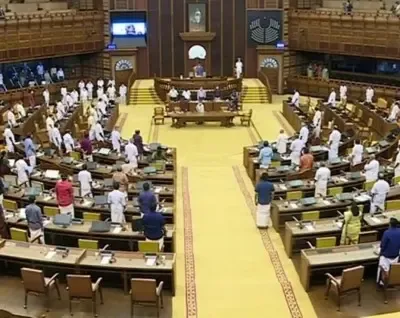
The 15th Kerala Assembly, which began on May 3, 2021, has officially concluded its term, leaving behind a legacy of significant legislative achievements and intense political debate. This assembly has set historical records in lawmaking and accountability.
Key Takeaways
Established on May 3, 2021 Passed 168 out of 195 government Bills Engaged in 18 adjournment motions Oversaw an all-women chairperson panel in two sessions Faced significant losses, including former Chief Ministers
Thiruvananthapuram, Feb 24 (NationPress) The 15th Kerala Assembly, which was established on May 3, 2021, officially concluded its term on Tuesday.
This period was marked by a blend of legislative effectiveness and vigorous political discourse.
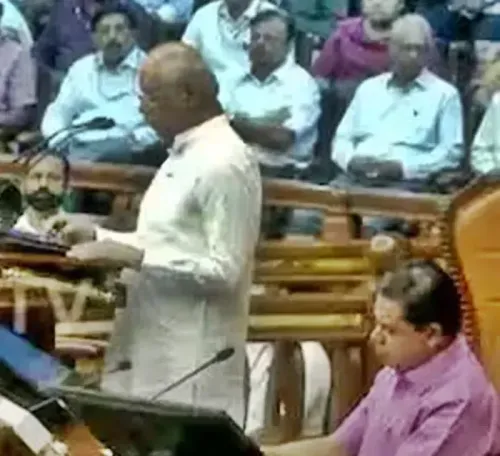
Over the course of more than 16 Assembly sessions and 204 sitting days, the assembly convened for a total of 1,192 hours and 23 minutes, averaging almost six hours per day, despite occasional interruptions.
In terms of productivity, the 140-member Kerala Assembly enacted the highest number of laws ever recorded in the state's legislative history.
Out of 195 government Bills introduced, 168 were successfully passed, which included 29 Appropriation Bills.
The legislative agenda covered a wide range of topics including public health, digital technology, cooperative reforms, and welfare initiatives for expatriates and senior citizens, as well as regulations for private universities, amendments related to forests, and the Kerala Native Card Bill.
A notable aspect of this term was its readiness to engage in debates over adjournment motions under Rule 50, which had previously been uncommon.
During this term, 18 such discussions were permitted, signaling a historical allocation of time and a more inclusive response to the demands of the Opposition.
Symbolically significant, the seventh and sixteenth sessions were overseen by an all-female panel of chairpersons, a move that received widespread approval.
The Kerala Assembly also experienced moments of constitutional tension.
On January 25, 2024, the then Governor Arif Mohammed Khan gave the briefest policy address in Kerala's history, reading only the introductory and concluding segments.
The House subsequently reaffirmed its authority by adopting the text approved by the Cabinet as the official record.
During this term, Rajendra Vishwanath Arlekar, the successor of Arif Mohammed Khan, addressed the assembly twice.
Accountability remained strong, with over 69,000 questions being submitted, and more than 67,800 questions printed and answered, reinforcing governmental oversight.
Financial oversight committees produced a record number of reports, and three complete State Budgets were passed prior to the upcoming financial year, an unusual event in Kerala's legislative timeline.
Sadly, the assembly also faced losses, with the passing of former Chief Minister Oommen Chandy, three additional sitting legislators, and former Chief Minister V.S. Achuthanandan, along with numerous former members and national leaders.
The 15th Kerala Assembly concludes its term with a legacy characterized by legislative achievements, procedural assertiveness, and a readiness to confront the pressing issues of its time.
Point of View
Marked by unprecedented lawmaking and robust political engagement. This assembly's achievements reflect a proactive approach to governance, ensuring accountability while addressing pressing societal issues.
NationPress
19 Sept 2026
Frequently Asked Questions
When was the 15th Kerala Assembly formed?
The 15th Kerala Assembly was formed on May 3, 2021.
How many bills were passed during this assembly's term?
A total of 168 bills were enacted during the term of the 15th Kerala Assembly.
What were some key topics addressed by the assembly?
The assembly addressed various topics including public health, digital science, cooperative reforms, and welfare measures for expatriates.
Did the assembly face any significant challenges?
Yes, the assembly experienced political tensions and moments of constitutional friction, including a notably brief policy address by the governor.
What is the legacy of the 15th Kerala Assembly?
The assembly leaves behind a legacy of legislative output, assertive procedures, and a commitment to engaging with contemporary issues.