Wayanad Kalladi Tunnel: Kerala forms 3-member panel for safe soil removal
Synopsis
A debris slip at the Wayanad Kalladi Tunnel site has exposed a critical gap: the contractor reportedly ignored a June 20 removal order from the District Disaster Management Authority. Kerala's newly formed three-member expert panel — drawn from NIT Calicut, DoECC, and NCESS — now holds the key to preventing a repeat, with monsoon season already under way.
Key Takeaways
Kerala has appointed a three-member expert committee to recommend safe soil removal at the Wayanad Kalladi Tunnel site.
The panel includes Dr.
Thampi (NIT Calicut), Dr.
Jude Emmanuel (DoECC, Convenor), and a representative from NCESS .
The Wayanad District Collector and District Disaster Management Authority had ordered the contractor to clear the soil on 20 June — the directive was not followed.
Satheesan alleged the accumulated soil directly contributed to the Kalladi debris slip .
The state has also directed District Collectors to inspect vulnerable National Highway construction sites ahead of the monsoon.
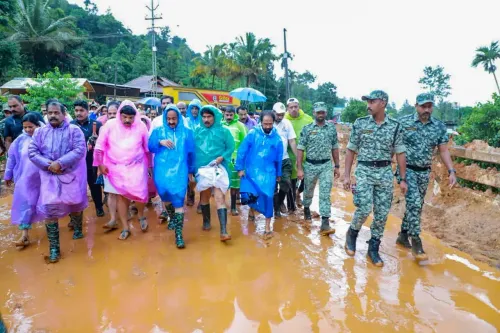
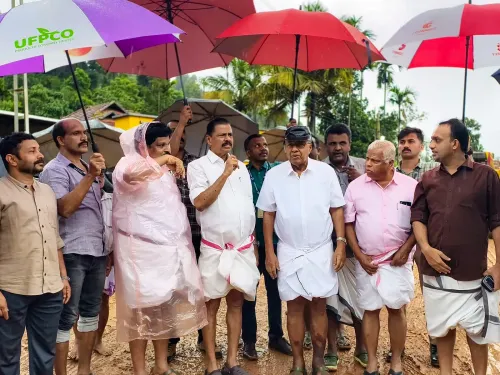
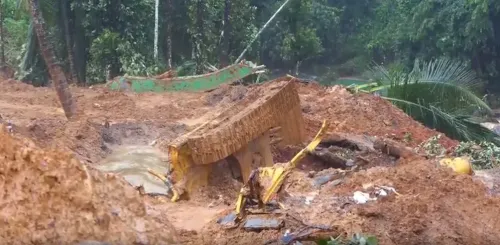
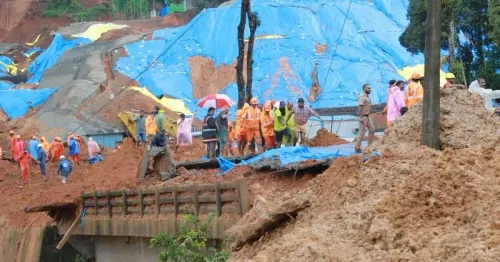
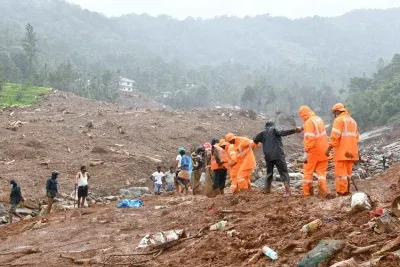
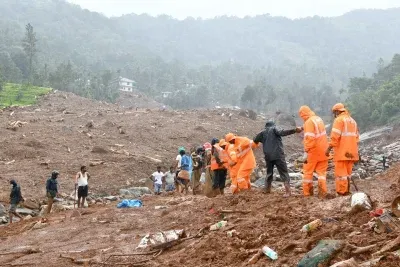
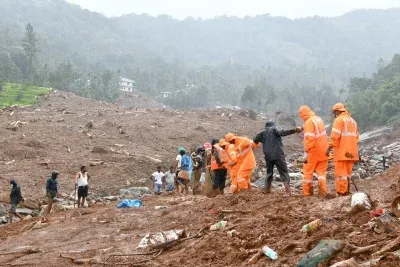
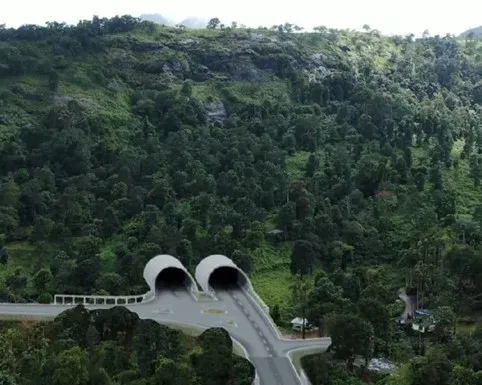
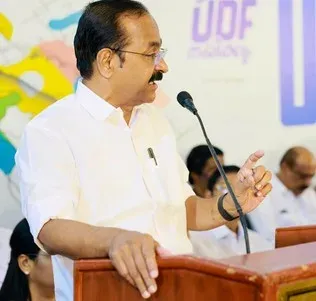
The Kerala government has constituted a three-member expert committee to assess and recommend safe methods for removing soil accumulated at the Wayanad Kalladi Tunnel construction site, Chief Minister V.D. Satheesan announced on 11 July. The decision follows a debris slip incident in the Kalladi area of Wayanad that has raised serious questions about construction safety and contractor compliance.
How the Committee Was Formed
The appointment was finalised during a high-level meeting attended by Chief Minister Satheesan, the Home Minister, and the Public Works Minister. The panel comprises Dr. Santhosh G. Thampi (Professor, NIT Calicut), Dr. Jude Emmanuel (Environmental Scientist, DoECC — serving as Convenor), and a representative from the National Centre for Earth Science Studies (NCESS). The committee will evaluate site conditions and propose a scientifically sound plan for the disposal or removal of the accumulated material.
What Triggered the Crisis
Chief Minister Satheesan, speaking after visiting the Kerala State Disaster Management Authority (KSDMA) headquarters earlier on Tuesday, stated that excavated soil and debris stored near the tunnel construction site had directly contributed to the debris slip. He alleged that the contractor had failed to act on explicit instructions to clear the material.
According to the Chief Minister, the Wayanad District Collector and the District Disaster Management Authority had issued a formal directive to the contractor as far back as 20 June to remove the excavated soil. The Public Works Department (PWD) Minister had separately instructed the contractor to clear the debris — yet neither directive was implemented. 'The accumulated soil had turned muddy. The Disaster Management Authority had specifically ordered its removal after inspecting the site,' Satheesan said.
Broader Safety Concerns Across Kerala
The Chief Minister also flagged wider lapses at National Highway construction projects across the state, particularly with the monsoon season under way. The state government has convened meetings with District Collectors and directed them to identify vulnerable locations and conduct inspections. Satheesan said the government had received multiple complaints about alleged safety-norm violations at several National Highway sites and stressed the need for stricter monitoring to prevent accidents during the rainy season.
What Happens Next
The expert panel is expected to submit its report assessing safe removal procedures for the Kalladi site. Its findings will inform the government's response on both immediate debris clearance and longer-term construction safety norms. The incident has put contractor accountability and pre-monsoon disaster preparedness at National Highway project sites firmly under the spotlight.
Point of View
But directives alone have already proven insufficient here. The expert panel's credibility will hinge on whether its recommendations are backed by binding timelines and contractor penalties, or whether they become another paper order filed and forgotten.
NationPress
10 Oct 2026
Frequently Asked Questions
Why did Kerala appoint an expert committee for the Wayanad Kalladi Tunnel site?
The Kerala government appointed the three-member panel to assess conditions and recommend safe methods for removing soil accumulated at the Wayanad Kalladi Tunnel construction site, following a debris slip in the Kalladi area of Wayanad. Chief Minister V.D. Satheesan said the stored excavated soil contributed to the incident.
Who are the members of the expert committee?
The committee comprises Dr. Santhosh G. Thampi (Professor, NIT Calicut), Dr. Jude Emmanuel (Environmental Scientist, DoECC — serving as Convenor), and a representative from the National Centre for Earth Science Studies (NCESS).
Was the contractor warned before the debris slip occurred?
Yes. The Wayanad District Collector and the District Disaster Management Authority issued a formal directive on 20 June ordering the contractor to remove the excavated soil. The Public Works Department Minister also separately instructed the contractor, but neither order was implemented, according to Chief Minister Satheesan.
What broader safety steps is Kerala taking at construction sites?
The state government has convened meetings with District Collectors and directed them to identify vulnerable locations at National Highway construction projects across Kerala and carry out inspections. This follows complaints about alleged safety-norm violations at multiple sites, particularly with the monsoon season active.
What will the expert panel do next?
The panel will inspect the Kalladi Tunnel site, evaluate the extent and condition of the accumulated soil, and submit a report recommending a scientifically assessed, safe process for its removal or disposal. Its findings are expected to guide both immediate clearance and longer-term safety protocols.