Punarjani FCRA case: Kerala HC flags PIL angle in petition against CM Satheesan

Synopsis
A Kerala High Court judge has flagged that a petition challenging the closure of the Punarjani-FCRA vigilance case — which involves V.D. Satheesan and Manappat Foundation chairman Ameer Ahamed — looks like a PIL, and has referred it to the Chief Justice. The case centres on alleged illegal foreign fund-routing of £22,500 from a 2018 UK visit and suspicious transactions of over ₹1.22 crore. The court has not yet examined the merits.
Key Takeaways
Kerala High Court observed on 16 November 2026 that a petition in the Punarjani-FCRA case bears the character of a public interest litigation .
The case involves allegations that V.D.
Satheesan solicited £22,500 in foreign funds during a UK visit in October 2018 , routed via Manappat Foundation allegedly in violation of FCRA 2010 .
The petitioner claims the former VACB director recommended a CBI probe after finding suspicious transactions of over ₹1.22 crore in accounts linked to Ameer Ahamed .
Jaju Babu opposed the plea, arguing the petitioner lacked legal standing.
A previous PIL by original complainant Jason Panikulangara was dismissed by a Division Bench in 2020 .
The matter has been referred to the Chief Justice ; the High Court has not yet examined the merits of the closure decision.
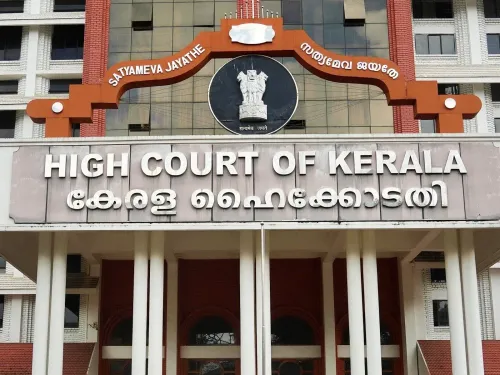
The Kerala High Court on Monday, 16 November 2026, observed that a petition challenging the clean chit granted to Kerala Leader of Opposition V.D. Satheesan and Manappat Foundation chairman Ameer Ahamed in the Punarjani-FCRA case bears the character of a public interest litigation. The court has referred the matter to the Chief Justice for allocation to an appropriate Division Bench.
What the Court Said
Justice C. Jayachandran noted a 'strong prima facie indication' that the writ petition, filed by a self-described whistleblower, 'partakes the character of a public interest litigation' if it is to be considered on merits at all. The judge directed the High Court Registry to place the matter before the Chief Justice for further directions.
The court also held that the question of whether the petitioner possessed the legal standing to file the case must be decided by the same Bench that examines the substantive allegations — a procedural safeguard that keeps the locus standi challenge and the merits intertwined.
Background: The Punarjani-FCRA Allegations
The petition challenges the closure of a Vigilance and Anti-Corruption Bureau (VACB) inquiry into allegations that Satheesan solicited foreign funds for the Punarjani flood rehabilitation project during a private visit to the United Kingdom in October 2018.
According to the petition, £22,500 collected for the project was allegedly routed through the Manappat Foundation in purported violation of the Foreign Contribution (Regulation) Act, 2010 (FCRA). The petitioner further claimed that the then-VACB director had recommended a CBI probe after reportedly identifying suspicious financial transactions totalling more than ₹1.22 crore across FCRA, current, and personal bank accounts linked to Ameer Ahamed.
The preliminary inquiry was subsequently closed on the ground that no vigilance angle was established. The petition also alleged that the corruption charges against Satheesan were dropped shortly after the 2026 Assembly election results were declared — a timeline the petitioner presents as circumstantially significant.
Government's Counter-Arguments
Advocate General K. Jaju Babu, appearing for the state, opposed the plea on grounds of standing, arguing that the petitioner had no connection with the original complaint and therefore no right to bring the case. He pointed to an earlier legal sequence: Jason Panikulangara, one of the original complainants, had withdrawn a writ petition in 2020 to file a PIL seeking a CBI probe, only for that PIL to be dismissed by a Division Bench, which declined to order a CBI inquiry and directed the complainant to pursue other legal remedies.
The state government further informed the court that neither of the original complainants had pursued the matter after that dismissal, and that the vigilance proceedings had reached their lawful conclusion.
Where the Case Stands
Critically, the Kerala High Court has not examined the allegations against Satheesan or assessed the merits of the decision to close the vigilance case. The immediate next step rests with the Chief Justice, who will decide the future course of action — including whether the matter is taken up by a Division Bench equipped to handle PILs. The outcome of that procedural decision will determine whether the substantive questions around the Punarjani-FCRA inquiry receive fresh judicial scrutiny.
Point of View
And neither original complainant pursued the matter thereafter. The timing allegation — that charges were dropped after the 2026 election results — adds political salience, but the judiciary will need to first settle the threshold question of standing before reaching those facts. What this referral really signals is that the courts are unwilling to let the matter die quietly on procedural grounds alone, even as the state argues closure. Whether that translates into a fresh CBI inquiry or ends at another standing-based dismissal remains entirely open.
NationPress
16 Nov 2026
Frequently Asked Questions
What is the Punarjani-FCRA case?
The Punarjani-FCRA case involves allegations that V.D. Satheesan solicited £22,500 in foreign donations for the Punarjani flood rehabilitation project during a private visit to the UK in October 2018, and that the funds were routed through the Manappat Foundation in alleged violation of the Foreign Contribution (Regulation) Act, 2010. A VACB preliminary inquiry was later closed on the ground that no vigilance angle was found.
Why has the Kerala High Court referred the matter to the Chief Justice?
Justice C. Jayachandran observed that the petition, filed by a self-described whistleblower, bears a strong prima facie indication of being a public interest litigation, which must be heard by a Division Bench designated to handle PILs. The referral to the Chief Justice is for that allocation to be made.
Has the Kerala High Court examined the allegations against V.D. Satheesan?
No. As of 16 November 2026, the Kerala High Court has not examined the merits of the allegations against Satheesan or reviewed the decision to close the VACB inquiry. The court's current observation relates only to the procedural classification of the petition.
What happened to the earlier PIL in this case?
Original complainant Jason Panikulangara withdrew a writ petition in 2020 to file a PIL seeking a CBI probe into the same matter. That PIL was dismissed by a Division Bench, which declined to order a CBI inquiry and directed the complainant to pursue other legal remedies. Neither original complainant pursued the case further after that.
What is the significance of the 2026 election timing allegation?
The petitioner alleges that corruption charges against Satheesan were dropped shortly after the 2026 Kerala Assembly election results were declared, implying a political motive behind the closure. The court has not assessed this claim; it remains an allegation that the designated Division Bench will need to consider if the matter is admitted.