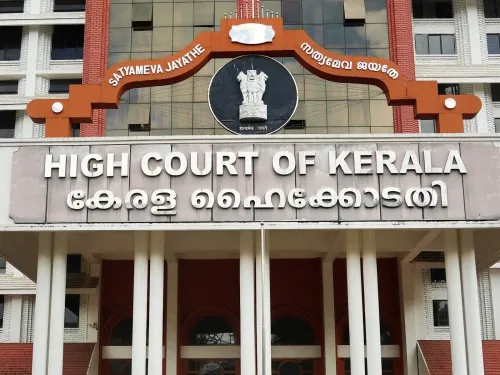
Kerala HC permits termination of 27-week pregnancy of 16-year-old rape survivor
Synopsis
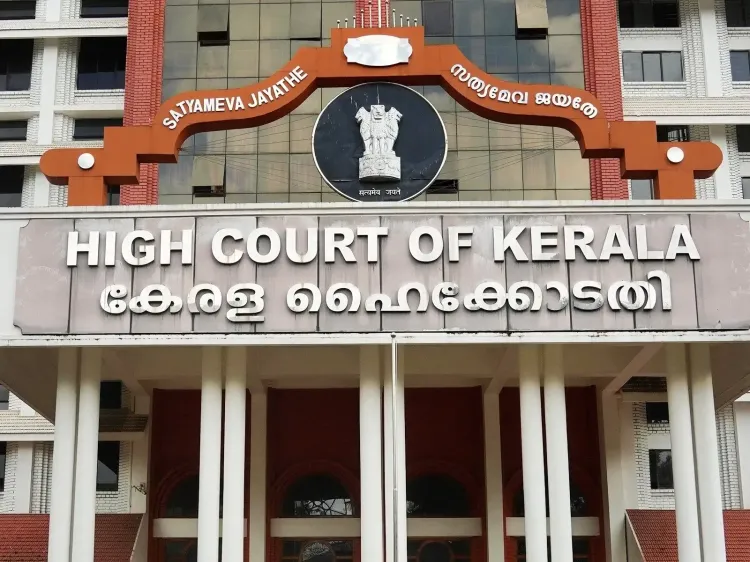
The Kerala High Court has allowed a 16-year-old rape survivor to terminate a 27-week pregnancy, citing severe psychological trauma — a decision that required both a medical board's clearance and judicial sanction under the MTP Act. The court went further, directing the state to arrange neonatal care in case of a live birth, placing full accountability on the government for every outcome of the procedure.
Key Takeaways
The Kerala High Court on 23 October 2026 permitted termination of a 27-week pregnancy of a 16-year-old rape survivor .
An expert medical board constituted by the court recommended that the pregnancy could be safely terminated.
The court accepted the position of both the survivor and her mother that they did not wish to continue the pregnancy.
The Kerala government was directed to make all medical arrangements without delay and ensure neonatal care is available in case of a live birth.
The ruling invokes the MTP Act 's special provisions for minor rape survivors seeking termination beyond the standard gestational limits.
The Kerala High Court has granted permission for the termination of a 27-week pregnancy of a 16-year-old rape survivor, citing the severe psychological trauma and mental distress faced by the minor. The court issued the order on 23 October 2026, acting on a petition filed by the girl's mother, who argued that continuing the pregnancy would cause further mental anguish to her daughter.
How the Court Reached Its Decision
The High Court constituted an expert medical board on its own directions to examine the minor and assess the feasibility of termination at such an advanced gestational stage. The board's report unambiguously recommended that the pregnancy could be terminated. After reviewing the medical findings alongside the provisions of the Medical Termination of Pregnancy (MTP) Act, the court granted the necessary permission.
Crucially, the court accepted the position of both the survivor and her mother that they did not wish to continue the pregnancy — a factor that weighed significantly in the judicial reasoning. The decision reflects the MTP Act's recognition that rape survivors, particularly minors, may seek termination beyond the standard 24-week limit with court approval.
Safeguards and Directions Issued
The High Court laid down specific procedural and medical safeguards to ensure the termination is carried out with full medical care and informed consent. The Kerala government was directed to make all necessary medical arrangements without delay, ensuring appropriate clinical support throughout the procedure.
Notably, the court also addressed the contingency of a live birth during the procedure — a medical possibility at 27 weeks. It directed the state government to ensure that adequate neonatal care and specialised medical treatment are made available in such an eventuality, underscoring the court's intent to protect life at every stage of the process.
Legal and Medical Context
Under the MTP Act, termination beyond 20 weeks requires approval from a medical board, and beyond 24 weeks in certain special categories — including survivors of sexual assault — it requires judicial intervention. This case falls squarely within the judicially recognised exception for rape survivors who are minors, a category that courts across India have repeatedly upheld.
This is part of a broader pattern of High Courts stepping in to protect minors who become pregnant as a result of sexual violence. Courts in Delhi, Bombay, and Madhya Pradesh have issued similar orders in recent years, consistently prioritising the mental and physical health of the survivor over gestational limits when evidence of trauma is clear.
What Happens Next
With the court order in place, the state government is now obligated to arrange for the procedure at a government-recognised medical facility at the earliest. The direction that neonatal care facilities must be on standby adds an additional layer of state accountability. The case is expected to conclude with a compliance report filed before the High Court once the procedure is completed.
Point of View
But for what it directs. By ordering the state to arrange neonatal care in case of a live birth, the Kerala High Court has stretched the accountability framework beyond the survivor — placing the government squarely in the room. What the case also underscores is a structural failure: a 16-year-old reaching a court at 27 weeks means the system — be it schools, health workers, or child protection authorities — failed to identify and respond to the assault far earlier. The judiciary continues to fill gaps that policy and social infrastructure have left open.
NationPress
23 Oct 2026
Frequently Asked Questions
Why did the Kerala High Court permit termination at 27 weeks?
The Kerala High Court permitted the termination because the survivor is a 16-year-old rape victim experiencing severe psychological trauma, and an expert medical board constituted by the court recommended the procedure was medically feasible. Under the MTP Act, minor rape survivors may seek judicial permission for termination beyond the standard gestational limits.
What is the Medical Termination of Pregnancy (MTP) Act's rule on late-term abortions?
The MTP Act allows termination beyond 20 weeks with a medical board's clearance, and beyond 24 weeks for special categories — including survivors of sexual assault — with court approval. Termination at 27 weeks falls in this judicially sanctioned special category for rape survivors.
What directions did the court give to the Kerala government?
The High Court directed the Kerala government to make all necessary medical arrangements for the procedure without delay. It also specifically ordered the state to ensure neonatal care and specialised treatment are available in case the baby is born alive during the termination procedure.
Who filed the petition before the Kerala High Court?
The petition was filed by the survivor's mother, who sought court permission for the termination on the grounds that continuing the pregnancy would cause further mental anguish to her minor daughter.
How does this case compare to similar rulings in India?
High Courts across India — including in Delhi, Bombay, and Madhya Pradesh — have issued similar orders in recent years, consistently allowing minor rape survivors to terminate pregnancies beyond standard gestational limits when medical and psychological evidence supports it. The Kerala ruling follows this established judicial approach.