Kerala HC orders protection for Kumbh Mela viral girl amid honour killing threat
Synopsis
The Kerala High Court has stepped in to protect a woman who became famous during the Kumbh Mela, after she told the court she faces an honour killing threat in Madhya Pradesh. The case is a collision of personal liberty, child protection law, and conflicting official documents — with two states and a national commission all staking out opposing positions on who she actually is.
Key Takeaways
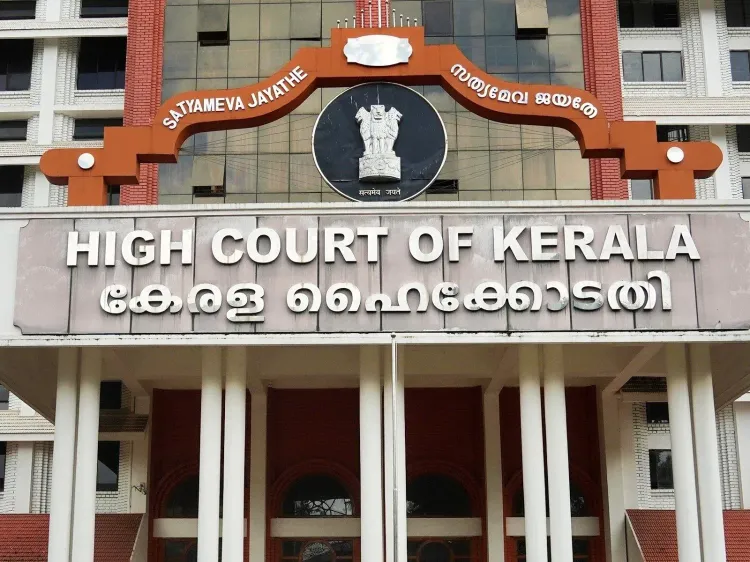
The Kerala High Court on 20 June directed the Central Police Station, Kochi to provide protection to the Kumbh Mela viral girl .
The woman claimed she faces an honour killing threat if she returns to her hometown in Madhya Pradesh .
The Madhya Pradesh government contends she is a minor; her own documents show a date of birth of 1 January 2008 .
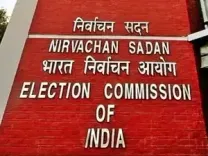
The National Commission for Scheduled Tribes reportedly found she was 16 years old at the time of her marriage on 11 March , citing a hospital birth certificate dated 30 December 2009 .
The Commission has alleged the birth certificate she submitted was fabricated .
Her marriage took place at Sri Nainar Devi Temple, Arumanur, Thiruvananthapuram ; its legality is now under judicial scrutiny.
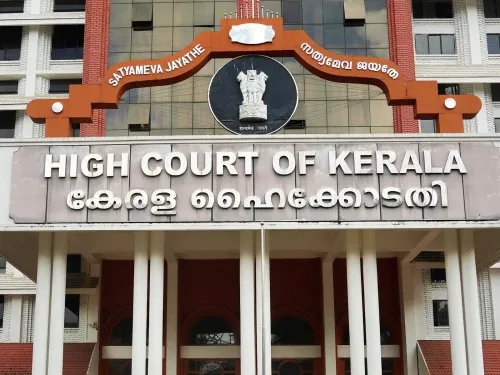
The Kerala High Court on 20 June directed the Station House Officer of the Central Police Station, Kochi to provide security to a young woman who rose to national prominence as a viral sensation during the Kumbh Mela, after she petitioned the court claiming her life was in danger in her native district in Madhya Pradesh. The court's intervention comes as a multi-agency legal dispute over her age, marriage, and safety continues to escalate across two states.
The Threat She Described
The woman told the court that she was alive solely because she had been residing in Kerala, and alleged that returning to her hometown in Madhya Pradesh would put her at risk of an honour killing. She asserted before the bench that she is a major and holds the right to determine her own future, including her choice of marriage partner.
The Age Dispute at the Heart of the Case
The Madhya Pradesh government has disputed her claim of being an adult, asserting that she is a minor. An inquiry by the National Commission for Scheduled Tribes reportedly concluded that she was only 16 years old at the time of her marriage, citing a birth certificate issued by Maheshwar Government Hospital that records her date of birth as 30 December 2009. However, documents the woman herself produced before the Thiruvananthapuram police indicate a date of birth of 1 January 2008, which would make her an adult. The Commission has alleged that the birth certificate submitted by the woman was fabricated.
The Marriage That Triggered the Controversy
The dispute centres on her marriage, which took place on 11 March at the Sri Nainar Devi Temple in Arumanur, Thiruvananthapuram. The legality of that marriage has become the focal point of a legal tussle involving authorities in both Kerala and Madhya Pradesh. The case drew widespread attention after the woman became a social media phenomenon during the Kumbh Mela earlier this year.
What the Court Has Directed
With the High Court now formally directing protection, police authorities have been tasked with ensuring her physical safety while courts and commissions continue to examine the contested questions of her age, the validity of her marriage, and the credibility of documents on both sides. The order underscores the court's willingness to prioritise personal safety even as the substantive legal questions remain unresolved.
What Happens Next
The case now sits at the intersection of child protection law, personal liberty, and inter-state jurisdictional complexity. If the Commission's finding on her age holds, the marriage could be declared void under the Prohibition of Child Marriage Act. Conversely, if her own documents are validated, the focus will shift to the alleged threats against her. Legal proceedings in both states are expected to continue, with the High Court's protection order providing a temporary safeguard while the larger questions are adjudicated.
Point of View
The individual caught in the middle often has no protection until a court intervenes. The Kerala High Court's order is a stopgap, not a resolution. The deeper problem is that two sets of official documents — both purportedly authentic — point to different identities, and no agency has yet been tasked with definitively resolving that contradiction. Until the age question is settled by a court-directed forensic or documentary process, every other legal question in this case remains suspended. That the woman had to invoke the threat of honour killing to secure basic police protection also says something uncomfortable about the limits of state machinery in cross-border personal safety matters.
NationPress
19 Sept 2026
Frequently Asked Questions
Why did the Kerala High Court issue a protection order for the Kumbh Mela viral girl?
The Kerala High Court directed police to protect the woman after she filed a petition claiming her life was under threat in her hometown in Madhya Pradesh, specifically alleging the risk of an honour killing if she returned. The court ordered the Station House Officer of the Central Police Station, Kochi, to ensure her security.
What is the dispute over the Kumbh Mela viral girl's age?
There are two conflicting sets of documents. The National Commission for Scheduled Tribes cited a birth certificate from Maheshwar Government Hospital recording her date of birth as 30 December 2009, which would make her 16 at the time of her marriage. The woman's own documents show a date of birth of 1 January 2008, indicating she was an adult. The Commission has alleged her submitted certificate was fabricated.
Where and when did the Kumbh Mela viral girl get married?
Her marriage took place on 11 March at the Sri Nainar Devi Temple in Arumanur, Thiruvananthapuram, Kerala. The legality of the marriage is now under scrutiny, contingent on the resolution of the age dispute.
What role has the Madhya Pradesh government played in this case?
The Madhya Pradesh government has disputed the woman's claim that she is an adult, asserting she is a minor. This position aligns with the National Commission for Scheduled Tribes' findings, placing it in direct conflict with the documents the woman has presented before Kerala authorities.
What happens if the woman is found to be a minor?
If courts accept the finding that she was 16 at the time of her marriage, the union could be declared void under the Prohibition of Child Marriage Act. The case would then shift toward child protection proceedings. If her own documents are validated, the focus will move to the alleged threats against her and the question of her right to personal liberty.