IUML backs CPI in Kerala LDF power row over Deputy Opposition Leader
Synopsis
The IUML has stepped into Kerala's sharpest intra-Left row in years — and its message is unambiguous. Senior leader K.P.A. Majeed's Chandrika article doesn't just back the CPI on the Deputy Opposition Leader post; it raises the larger question of whether the CPI's 25-year 'suffocation' inside a CPI(M)-dominated LDF is sustainable at all.
Key Takeaways
Majeed publicly backed the CPI against the CPI(M) in an article in party mouthpiece Chandrika on 29 August .
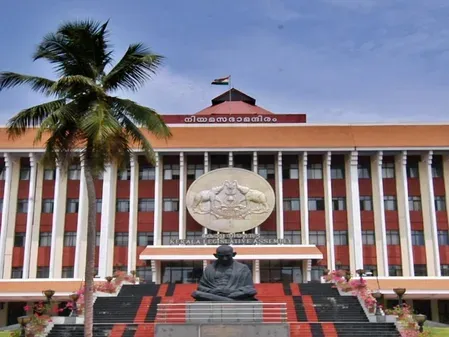
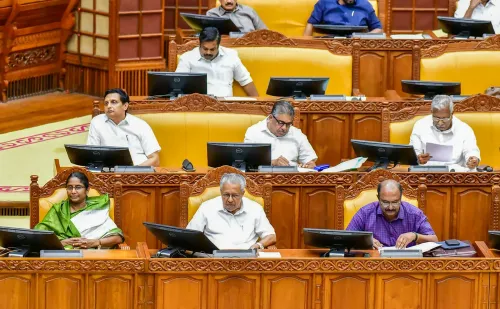
The dispute centres on the post of Deputy Leader of the Opposition in the 140-member Kerala Assembly , where the CPI holds 8 seats and the CPI(M) holds 26 .
Pinarayi Vijayan has rejected the CPI's claim, asserting the post will go to a CPI(M) leader.
Majeed accused the CPI(M) of marginalising the CPI across 25 years of LDF functioning, including on the posts of LDF chairman and convener .
Veteran CPI leader C.
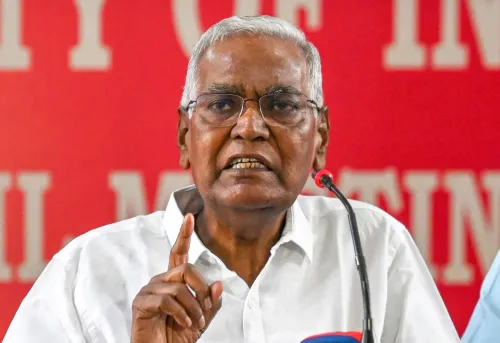
Divakaran had already publicly challenged Vijayan, sending shockwaves through the Left.
The LDF convenor has appealed for restraint, signalling the public rift is proving hard to contain.
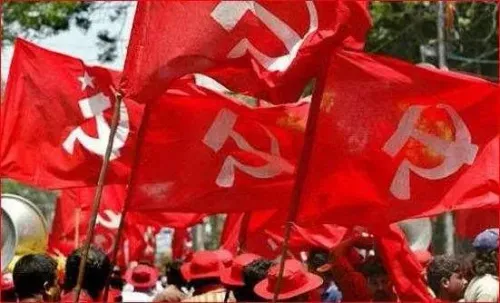
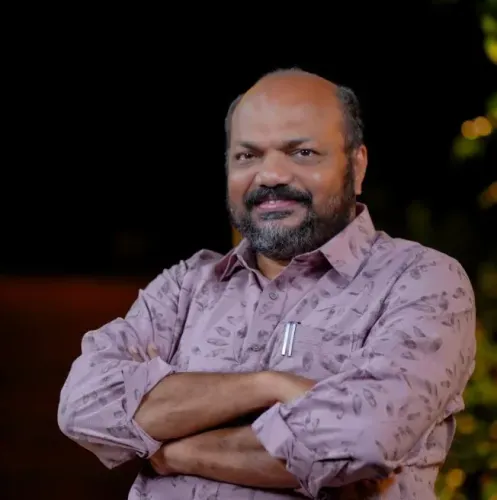
The Indian Union Muslim League (IUML) has entered Kerala's escalating intra-Left dispute, with senior leader and former legislator K.P.A. Majeed publicly backing the Communist Party of India (CPI) in its bitter face-off with the Communist Party of India (Marxist) [CPI(M)] over the post of Deputy Leader of the Opposition. Writing in the IUML mouthpiece Chandrika on Saturday, 29 August, Majeed accused CPI(M) leader Pinarayi Vijayan of treating the smaller Left ally as a subordinate within the Left Democratic Front (LDF).
The Dispute at the Centre
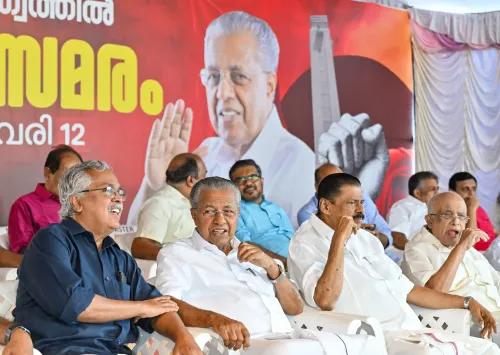
The CPI, which holds eight seats in the 140-member Kerala Assembly against the CPI(M)'s 26, has staked its claim to the Deputy Leader of Opposition post as the second-largest constituent of the opposition alliance. Pinarayi Vijayan has flatly rejected the demand, asserting that the post would go to a CPI(M) leader and that it was not the CPI's place to even raise the matter.
Majeed contended that Vijayan's stance — that he alone would decide which CPI(M) leader should occupy the post — amounted to the larger party assuming the role of a 'master' within the front. 'Nobody with a basic understanding of Kerala politics would accept the idea that CPI leaders should simply bow before the CPI(M) and obey its commands,' he argued.
A Pattern of Marginalisation, Majeed Argues
Majeed went beyond the immediate post-sharing row to document what he described as the CPI's steady marginalisation within the LDF over the past 25 years. He pointed out that the key organisational posts of LDF chairman and LDF convener had also remained with the CPI(M), leaving the CPI with little structural weight inside the alliance.
He also recalled the PM SHRI controversy during the previous LDF government, noting that the CPI had opposed the agreement signed by Pinarayi Vijayan and V. Sivankutty — and that the party's objections had been routinely disregarded.
Historical Claims and the Achutha Menon Legacy
Majeed invoked the legacy of the C. Achutha Menon government (1970–77) — in which the Congress was also a partner — to underscore the CPI's foundational role in Kerala's development. He credited the CPI-led administration with laying the groundwork for the state's advances in education, healthcare, and land reform.
Critically, he accused the CPI(M) of deliberately sidelining Achutha Menon's contributions and attributing the credit for land reforms almost entirely to E.M.S. Namboodiripad and K.R. Gouri Amma — a charge that sharpens the historical dimension of the current rift.
What Majeed Said About the CPI's Future
Majeed stopped short of calling for the CPI to exit the LDF, but said the question of whether the party should remain in the alliance or explore alternatives deserved open discussion — and only after the CPI itself declared its position. He dismissed fears that any such move would benefit the rival United Democratic Front (UDF), arguing that the first 100 days of the V.D. Satheesan government had shown the UDF was capable of representing the Left space in Kerala.
'Merely attaching the LDF label does not make an alliance Left-wing,' Majeed wrote, in what analysts read as a pointed signal to both fronts.
Shockwaves Across the Left
The IUML intervention coincides with fresh salvos from within the Left itself. Veteran CPI former state minister C. Divakaran had already shaken the LDF by publicly asking who Pinarayi Vijayan was to decide the Deputy Leader post unilaterally. The LDF convenor has since appealed to both sides to exercise restraint and resolve the matter through internal discussions — a sign that the public fracture is proving difficult to contain.
With the IUML now weighing in from outside the front, the dispute over a single legislative post has widened into a broader question about power-sharing norms and the long-term cohesion of Kerala's Left alliance.
Point of View
The IUML keeps the LDF's fault lines visible and signals to CPI voters that the UDF coalition is a credible alternative home. What mainstream coverage underplays is the historical argument Majeed is making: if the CPI's foundational contribution to Kerala — the Achutha Menon era — is being erased from the Left's own narrative, the ideological glue holding the LDF together is thinner than its electoral arithmetic suggests. The real question is not who gets the Deputy Leader post, but whether a 25-year pattern of CPI subordination has reached a breaking point — and whether the CPI(M) has the political wisdom to recognise it before the next assembly election.
NationPress
29 Aug 2026
Frequently Asked Questions
What is the Kerala LDF dispute over the Deputy Leader of Opposition post?
The CPI, which holds 8 seats in the 140-member Kerala Assembly, has claimed the Deputy Leader of Opposition post as the second-largest constituent of the LDF. CPI(M) leader Pinarayi Vijayan has rejected the claim, insisting the post will go to a CPI(M) leader, triggering a bitter public row between the two principal LDF partners.
Why has the IUML intervened in a Left alliance dispute?
Senior IUML leader K.P.A. Majeed wrote in the party's mouthpiece Chandrika backing the CPI, arguing that the CPI(M)'s dominance over the LDF violates coalition norms. Analysts view the intervention as a political signal that the UDF — which includes the IUML — could attract CPI support if the Left alliance fractures further.
What did K.P.A. Majeed argue in his Chandrika article?
Majeed accused Pinarayi Vijayan of treating the CPI as a subordinate rather than an equal partner, documented 25 years of CPI marginalisation within the LDF, and invoked the legacy of the C. Achutha Menon government (1970–77) to assert the CPI's foundational role in Kerala's development. He also raised the question of whether the CPI should consider alternatives to the LDF.
Who is C. Divakaran and why does his statement matter?
C. Divakaran is a veteran CPI leader and former Kerala state minister. His public challenge to Pinarayi Vijayan — asking who Vijayan was to decide the Deputy Leader post unilaterally — sent shockwaves through the Left and escalated the dispute from an internal disagreement to an open confrontation.
What happens next in the Kerala LDF power row?
The LDF convenor has appealed to both sides to exercise restraint and resolve the matter through internal discussions. However, with the IUML now publicly involved and senior CPI leaders speaking out, the dispute shows little sign of quick resolution and could reshape Kerala's opposition politics ahead of future elections.