Kerala Assembly room row exposes CPI-M vs CPI fault line in LDF
Synopsis
A single office room in the Kerala Assembly has become the flashpoint for a deeper power struggle inside the Left Democratic Front. With the Speaker demanding a formal letter from Pinarayi Vijayan naming the Deputy Leader, the CPI-M must choose between asserting dominance and managing a coalition partner that has repeatedly shown it will not quietly concede ground.
Key Takeaways
Speaker Thiruvanchoor Radhakrishnan has asked Leader of the Opposition Pinarayi Vijayan to formally identify the Deputy Leader of the Opposition before the disputed Assembly room is allotted.
The CPI-M wants the post for K.N.
Balagopal ; the CPI insists it belongs to former minister K.
Rajan by coalition convention.
The CPI-M holds 26 Assembly seats against the CPI's eight , but the CPI argues the Deputy Leader post has traditionally gone to the second-largest LDF constituent.
Past CPI-CPI-M friction includes CPI ministers boycotting a Cabinet meeting during the first Vijayan government and a public split over the PM SHRI scheme in the second term.
LDF review meetings on the Assembly election defeat have already been delayed amid the leadership structure dispute.
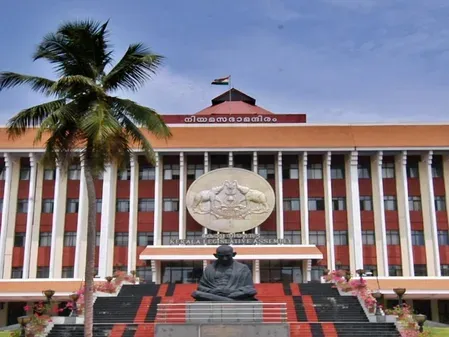
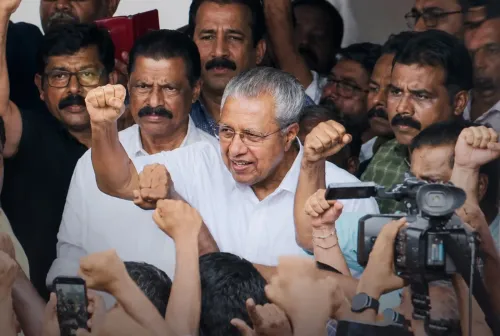
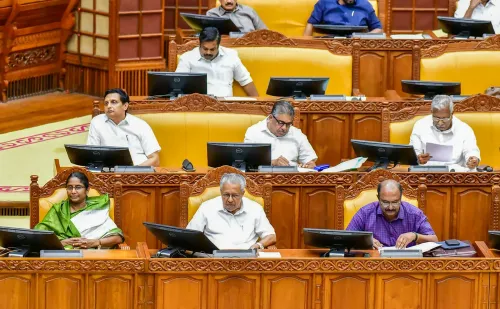
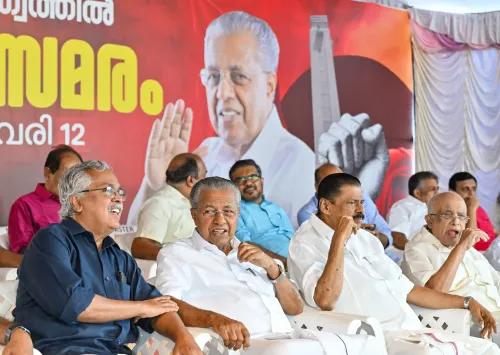
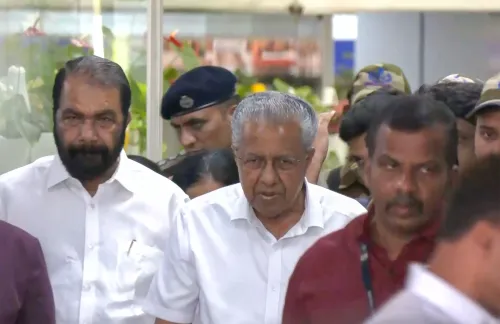
A dispute over the allocation of an office room in the Kerala Legislative Assembly has escalated into a significant political flashpoint within the Left Democratic Front (LDF), laying bare the uneasy power dynamics between the Communist Party of India (Marxist) and its coalition partner, the Communist Party of India (CPI). The standoff, centred on who holds the post of Deputy Leader of the Opposition, has placed Leader of the Opposition Pinarayi Vijayan in a particularly uncomfortable position.
What the Dispute Is About
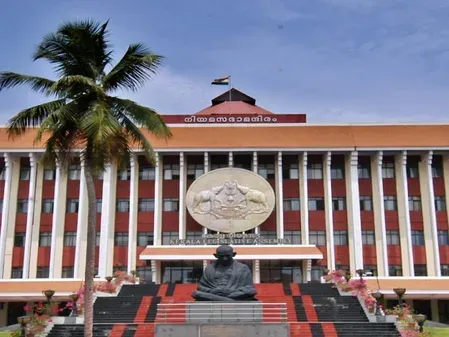
Speaker Thiruvanchoor Radhakrishnan has clarified that the room designated for the Deputy Leader of the Opposition has not been denied to anyone — it will be allotted to whoever is formally identified as holding the post. The Speaker has asked Vijayan to submit a letter naming the Deputy Leader, after which the room will be assigned without further delay.
That procedural condition has transformed an administrative matter into a political test. The CPI-M wants the room for K.N. Balagopal, while the CPI insists the post belongs to its nominee, former minister K. Rajan. Notably, Balagopal already occupies an office room in his capacity as Chairman of the Public Accounts Committee, making the claim for a second room contingent entirely on his formal designation as Deputy Leader.
The Coalition Convention at Stake
The CPI-M holds 26 seats in the Assembly against the CPI's eight, but the smaller party argues that coalition convention has traditionally reserved the Deputy Leader's position for the second-largest constituent of the front. CPI state Secretary Binoy Viswam and other senior leaders have made clear the party will not surrender what it regards as its legitimate share in the Opposition hierarchy.
For Vijayan, the choices are equally fraught. Formally naming Balagopal risks a direct confrontation with the CPI. Endorsing Rajan, on the other hand, could stir questions within the CPI-M over internal power equations and the leadership's handling of coalition affairs.
A History of Friction Between the Two Communist Parties
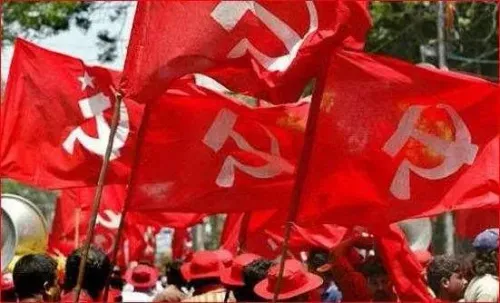
The tension carries a familiar ring. The CPI-M and the CPI shared a common origin until 1964, when a split gave birth to the CPI-M as a separate entity. Since then, the CPI-M has emerged as the dominant force in Kerala's Left politics, with the CPI generally occupying the role of the smaller partner — a relationship that has periodically produced friction.
During the first Pinarayi Vijayan government, the differences reached one of their more dramatic peaks when the four CPI ministers boycotted a weekly Cabinet meeting to press their demands, turning an internal disagreement into a public embarrassment. The second Vijayan government saw another significant flashpoint over the PM SHRI scheme, when the CPI publicly distanced itself from the government's position before the dispute was eventually defused.
Why the Timing Matters
The current controversy arrives at a particularly sensitive moment for the LDF. Meetings intended to review the coalition's defeat in the Assembly elections have already been delayed amid differences over the leadership structure in the Opposition. The room dispute has thus become a proxy for a larger, unresolved question: how far can the CPI-M press its numerical advantage before the CPI decides its political space has been eroded beyond acceptable limits.
The Speaker's intervention has effectively returned the decision to the LDF's court. The letter Vijayan eventually sends — or withholds — could prove far more consequential than the room it is nominally meant to secure.
Point of View
Only in government. Until that is resolved, every administrative trigger — a room, a scheme, a Cabinet slot — will produce the same cycle of public friction and private resentment.
NationPress
25 Sept 2026
Frequently Asked Questions
What is the Kerala Assembly office room dispute about?
The dispute is over which party's nominee should occupy the office room designated for the Deputy Leader of the Opposition in the Kerala Assembly. The CPI-M wants the post for K.N. Balagopal, while the CPI insists it belongs to its nominee, former minister K. Rajan, citing coalition convention.
What has Speaker Thiruvanchoor Radhakrishnan said about the row?
Speaker Thiruvanchoor Radhakrishnan has clarified that the room has not been denied to anyone and will be allotted once Leader of the Opposition Pinarayi Vijayan submits a letter formally naming the Deputy Leader of the Opposition.
Why is the CPI challenging the CPI-M over this post?
The CPI argues that coalition convention has traditionally recognised the second-largest LDF constituent with the Deputy Leader's position. Despite holding only eight Assembly seats against the CPI-M's 26, the CPI views the post as its legitimate share in the Opposition hierarchy.
How have CPI-CPI-M tensions played out in the past?
The two parties have clashed repeatedly. During the first Pinarayi Vijayan government, CPI ministers boycotted a Cabinet meeting to press their demands. In the second Vijayan government, the CPI publicly distanced itself from the government's handling of the PM SHRI scheme before the dispute was resolved.
What are the broader implications of this standoff for the LDF?
The dispute comes as the LDF is already struggling to hold review meetings on its Assembly election defeat, with differences over the Opposition leadership structure causing delays. Analysts see the room row as a proxy for a larger question about how much political space the CPI is willing to concede to the CPI-M while in Opposition.