How is Kerala Enhancing Its Heritage Tourism with 33 New 'Spice Journey' Trails?
Synopsis
Kerala is revolutionizing its heritage tourism by launching 33 'Spice Journey' trails, connecting its rich spice trade history with contemporary travel, enhancing tourist experiences from Kasaragod to Kollam.
Key Takeaways
33 curated trails celebrating Kerala's spice trade.
Immersive experiences that blend history with modern tourism.
Regional clusters showcasing diverse cultural identities.
Collaborative efforts through the International Spice Routes Heritage Network.
Focus on sustainable heritage tourism development.
Kochi, Jan 7 (NationPress) Kerala has embarked on an ambitious initiative to enrich and capitalize on its internationally acclaimed heritage tourism segment through the introduction of 33 meticulously designed "Spice Journey" trails. This initiative aims to transform the state's rich spice trade history into engaging tourism routes stretching from Kasaragod in the north to Kollam in the south.
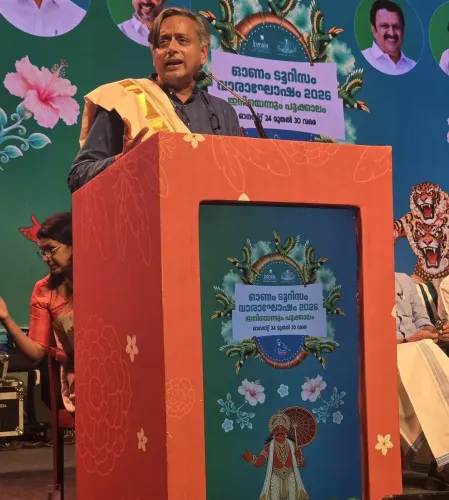
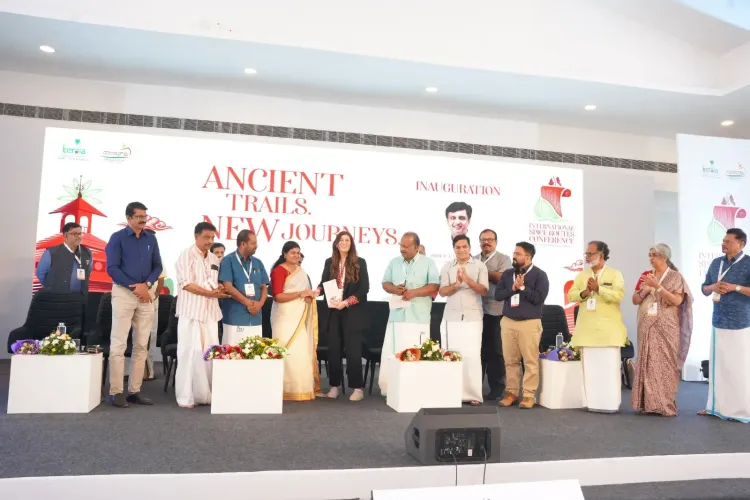
Led by the Muziris Heritage Projects, this program was launched during the three-day International Spice Routes Conference, inaugurated by Tourism Minister P.A. Mohamed Riyas.
The main objective of this project is to elevate Kerala’s status from merely a leisure destination to a vibrant museum of maritime trade, cultural interchanges, and culinary traditions that historically connected the state to West Asia, Europe, and the Mediterranean.
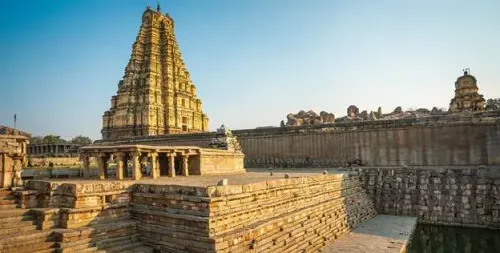
Focused on the legacy of the ancient Spice Routes that positioned Kerala as a global trading center centuries ago, the Spice Journeys initiative offers tourists carefully curated walks through streets, temples, churches, ports, and markets where history harmoniously merges with modern life.
This circuit has been organized into eight regional clusters featuring 33 unique journeys, each customized to reflect the cultural and historical essence of its area.
The trails commence at Bekal in Kasaragod and journey through Kannur, Kozhikode, Thrissur, Ernakulam, Alappuzha, and Kollam.
The Kasaragod-Bekal cluster incorporates trails like Kodagu–Thulunadu and Kodagu–Bekal, which extend into neighboring regions of Karnataka, illustrating historical trade and cultural intersections.
The Kannur–Thalassery segment promises signature experiences, including Mappila culinary sessions, Theyyam rituals, and colonial heritage walks.
Fort Kochi serves as a pivotal hub, providing an in-depth exploration of its development as a global spice port, enriched by colonial architecture, trade stories, and curated dining experiences.
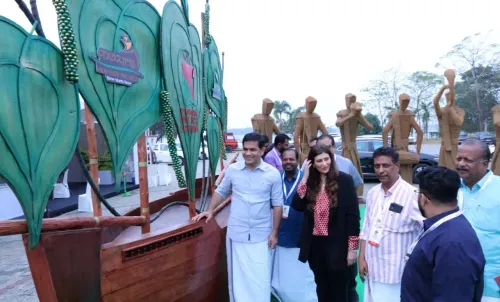
The Ernakulam–Thrissur Muziris Heritage Walk traces the region’s ancient Jewish connections and the historical port of Muziris, once a frequent stop for merchant ships from West Asia and Europe.
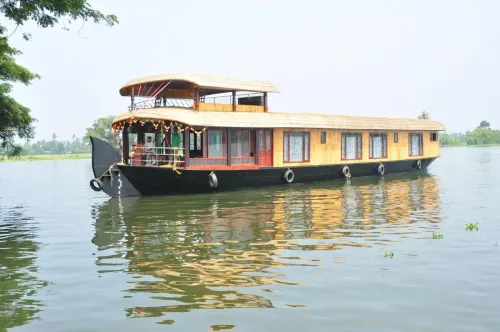
Moving further south, Alappuzha and Kollam contribute to the tourism narrative with their backwater heritage, biodiversity corridors, and coastal trade histories, broadening the tourism appeal beyond typical sightseeing.
Riyas also announced the formation of the International Spice Routes Heritage Network, a collaborative global platform aimed at promoting heritage-led tourism.
The conference includes technical sessions focused on sustaining transnational heritage corridors, enhancing digital tourism, and reimagining the Spice Routes for future travel economies.
Point of View
Kerala aims to attract a diverse range of visitors while preserving its cultural legacy. This initiative reflects a growing global trend of immersive travel experiences that celebrate local heritage.
NationPress
19 Sept 2026
Frequently Asked Questions
What are the 'Spice Journey' trails?
The 'Spice Journey' trails are 33 curated tourism routes in Kerala, designed to showcase the state's rich spice trade history and cultural heritage.
Where do the Spice Journey trails start and end?
The trails begin at Bekal in Kasaragod and extend to Kollam in the south, covering various regions across Kerala.
Who launched the Spice Journey initiative?
The initiative was launched by the Muziris Heritage Projects at the International Spice Routes Conference, inaugurated by Tourism Minister P.A. Mohamed Riyas.
What can tourists expect from these trails?
Tourists can expect immersive experiences that include historical walks through streets, temples, markets, and culinary events that highlight Kerala's spice trade legacy.
How does this initiative benefit Kerala?
This initiative aims to monetize heritage tourism and position Kerala as a living museum, enhancing its appeal as a travel destination.