Is Kerala's International Spice Routes Network the Future of Global Tourism?
Synopsis
Kerala's new initiative aims to transform its historical legacy into a vibrant tourism and cultural asset. With a focus on international collaboration, this network could redefine travel experiences while showcasing Kerala's rich heritage.
Key Takeaways
Kerala's heritage redefined as a vibrant asset.
Global collaboration to boost cultural tourism.
Historical spice routes as a focal point for tourism strategy.
Engagement of international historians and policymakers.
Economic growth through cultural immersion.
Kochi, Jan 6 (NationPress) Kochi, Kerala has launched the International Spice Routes Heritage Network, a global collaborative initiative designed to harness the state's rich maritime trade history to promote cultural tourism, research collaboration, and creative economies.
This initiative marks a significant effort to redefine heritage as a dynamic economic and tourism asset, moving away from a static historical perspective.
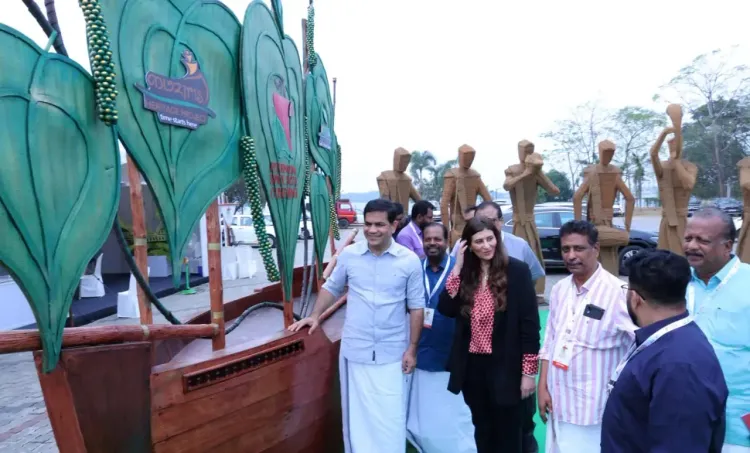
Tourism Minister P.A. Mohamed Riyas introduced this initiative during the opening of the three-day International Spice Routes Conference, themed “Ancient Trails. New Journeys”, at Bolgatty Palace.
Hosted by the Kerala Tourism Department in partnership with the Muziris Heritage Project, the event from January 6-8 convenes historians, policymakers, and cultural professionals from both India and abroad.
In a video conference address, Riyas indicated that the Spice Routes Network would serve as a platform for collaborative research, collective projects, and shared resources in areas like heritage conservation, archaeology, documentation, and museum development.
“Kerala is viewing heritage not merely as a relic but as a vibrant resource that can foster cultural dialogue, tourism, and inclusive growth,” he stated, emphasizing the initiative's goal to reconnect historical routes, revive memories, and forge partnerships across borders.
In addition to its academic focus, the conference emphasizes Kerala’s ambition to capitalize on the increasing global demand for high-value, immersive, and culturally rich travel experiences.
Tourism officials believe that the Spice Routes narrative, rooted in centuries of global exchanges, will set Kerala apart in a competitive tourism landscape.
During the conference, Kerala Tourism Director Sikha Surendran remarked that long before modern borders, spice routes significantly influenced global trade.
She noted that Muziris was more than just a port; it was a meeting point for civilizations that engaged in negotiation and learning.
“From this coast, spices carried the essence of Kerala to faraway lands, while ideas returned, transforming societies, cultures, and lifestyles,” she added, insisting that heritage should be perceived as a living, community-driven force.
Historians at the conference underscored Kerala’s pivotal role in global trade networks.
Prof. Michael Tharakan, former Vice Chancellor of Kannu University, traced Kochi’s emergence as a crucial colonial port following the Interportal Trade Convention under British rule.
Former JNU professor Pius Malekandathil highlighted that Malabar pepper reached European and North African markets as early as the 8th century through Arab trade routes, with pepper even serving as a common medicinal ingredient in parts of Germany during the 14th and 15th centuries.
By merging historical research with tourism strategies, the Spice Routes initiative aims to transform Kerala’s historical trading legacy into a progressive economic and cultural opportunity.
Point of View
It's crucial to recognize the impact of Kerala's International Spice Routes Heritage Network on the tourism landscape. By embracing its rich cultural heritage, Kerala is not just preserving the past but actively engaging in a dialogue that could redefine global tourism trends. This initiative holds the potential to attract diverse travelers eager for authentic experiences.
NationPress
20 Sept 2026
Frequently Asked Questions
What is the International Spice Routes Heritage Network?
It's a collaborative global platform launched by Kerala to leverage its historical role in maritime trade for cultural tourism, research partnerships, and economic growth.
When was the network launched?
The network was unveiled on January 6, during the International Spice Routes Conference at Bolgatty Palace.
Who announced this initiative?
Tourism Minister P.A. Mohamed Riyas introduced the initiative during the conference.
What is the aim of the Spice Routes Network?
The aim is to foster collaborative research and projects in heritage conservation and to enhance cultural tourism.
How does this initiative impact tourism in Kerala?
It positions Kerala as a unique destination by highlighting its historical spice trade legacy and cultural richness.