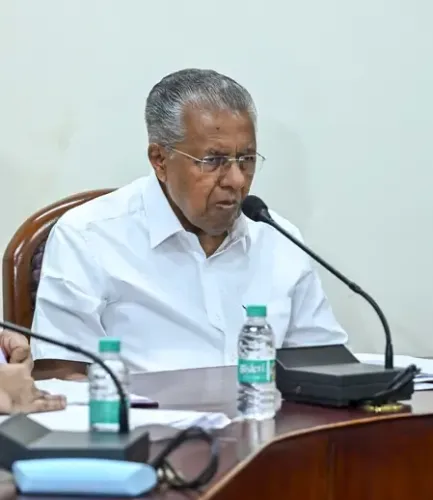
Kerala minister Chennithala urges Centre to amend Juvenile Justice Act, lower age to 16
Synopsis
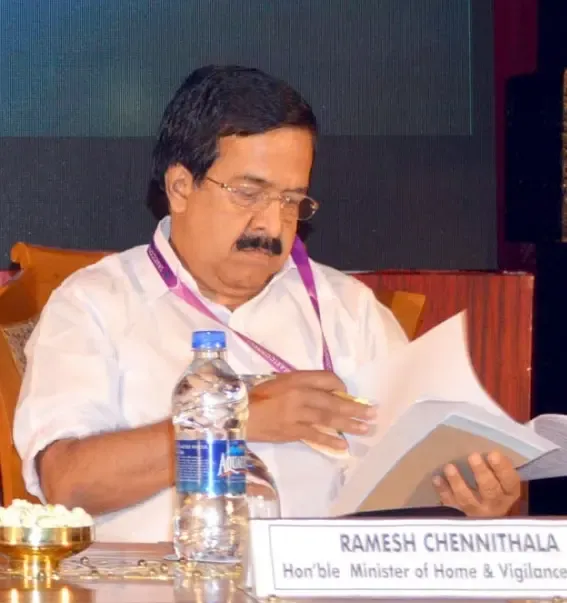
Kerala Home Minister Ramesh Chennithala has formally asked the Centre to lower the juvenile age threshold from 18 to 16, backed by the Kerala High Court's own remarks. Triggered by the Abhiram murder and the fatal Cheranelloor accident — both involving 17-year-olds — the demand puts victims' rights against juvenile protection at the heart of a looming national legislative debate.
Key Takeaways
Kerala Home Minister Ramesh Chennithala wrote to Union Home Minister Amit Shah and Union WCD Minister Annpurna Devi on 17 November seeking changes to the Juvenile Justice Act, 2015 .
Chennithala has backed reducing the juvenile age threshold from 18 to 16 years , a view also expressed by the Kerala High Court .
The demand was triggered in part by the murder of 17-year-old Abhiram in Thiruvananthapuram and the fatal Cheranelloor accident , both involving 17-year-old accused.
The Minister cited a rise in the number and gravity of violent offences involving minors over the past decade , linking it to digital media spread and drug abuse among adolescents.
The existing law already allows transfer of 16–18-year-olds accused of heinous offences for adult trial after a preliminary assessment, but Chennithala is pushing for a broader threshold review.
Kerala Home Minister Ramesh Chennithala has formally written to the Centre seeking amendments to the Juvenile Justice (Care and Protection of Children) Act, 2015, including a review of the age threshold for treating offenders as juveniles. The letters, dated 17 November, were sent to Union Home Minister Amit Shah and Union Women and Child Development Minister Annpurna Devi, pressing for a legislative overhaul amid rising concern over serious crimes involving minors in Kerala.
What Chennithala Has Demanded
Chennithala has advocated reducing the upper age limit for juveniles from 18 to 16 years, a position also recently articulated by the Kerala High Court. In his letters, the Minister acknowledged that the existing law was framed with a child-friendly approach to safeguard the rights and welfare of children in conflict with the law. However, he argued that current provisions appear insensitive to the plight of victims, particularly in cases involving grave offences.
Chennithala said the law must strike a balance between protecting juveniles and addressing the suffering of victims. He also pointed to growing public anger over serious crimes committed by minors who benefit from existing legal protections.
The Incidents That Triggered the Push
The demand has gained urgency following two high-profile incidents in Kerala. The first is the murder of 17-year-old Abhiram in Thiruvananthapuram, in which a 17-year-old is among the accused. The second is the fatal Cheranelloor accident, where a 17-year-old allegedly driving a Mercedes-Benz killed a scooter rider. Both cases have intensified public scrutiny of how the current juvenile framework handles serious offences.
What the Data and Courts Say
Chennithala noted that both the number and severity of violent offences involving children below 18 years have increased over the past decade. He cited the rapid spread of digital media and the abuse of narcotic substances among adolescents as contributing factors to the changing landscape of juvenile crime.
The Kerala High Court recently remarked that legislatures should consider lowering the age threshold from 18 to 16 years, citing changing levels of maturity among children — lending judicial weight to Chennithala's legislative push.
What the Existing Law Already Allows
It is worth noting that the Juvenile Justice Act, 2015 already contains a provision for a preliminary assessment of 16 to 18-year-olds accused of heinous offences, with the possibility of their cases being transferred for trial as adults. Chennithala's demand goes further, questioning the broader age threshold itself and placing the question of balance between juvenile protection and victims' rights squarely before the Union government.
What Happens Next
The Centre is yet to formally respond to the letters. With both the state government and the Kerala High Court now publicly aligned on the need for a legislative review, pressure on the Union government to act — or at least acknowledge the debate — is likely to mount. Any amendment to the Juvenile Justice Act would require parliamentary approval and could face scrutiny from child rights advocates who argue that lowering the age risks criminalising adolescents.
Point of View
And the timing — after two incidents involving 17-year-olds — is deliberate. But the demand conflates two distinct questions: whether the age threshold needs lowering, and whether the existing transfer mechanism for heinous offences is being used effectively. The 2015 Act already allows adult trials for 16–18-year-olds in serious cases; the evidence that this provision is under-utilised, rather than the threshold itself being the problem, has not been fully surfaced in the public debate. Any blanket lowering of the age risks drawing India away from child rights commitments it has accepted internationally, and child protection advocates are certain to mount a strong counter-campaign. The Centre's response — or silence — will signal how far it is willing to push juvenile justice reform before the next parliamentary session.
NationPress
20 Nov 2026
Frequently Asked Questions
What changes has Kerala Home Minister Ramesh Chennithala sought to the Juvenile Justice Act?
Chennithala has written to the Union Home Minister and the Union Women and Child Development Minister seeking a review of the Juvenile Justice (Care and Protection of Children) Act, 2015, including a reduction in the age threshold for treating offenders as juveniles from 18 to 16 years. He also called for a better balance between juvenile protection and victims' rights.
Why is Kerala pushing for a juvenile age limit change now?
The demand gained urgency following two high-profile incidents in Kerala — the murder of 17-year-old Abhiram in Thiruvananthapuram and the fatal Cheranelloor accident in which a 17-year-old allegedly driving a Mercedes-Benz killed a scooter rider. Both cases involved 17-year-old accused who are protected under current juvenile law provisions.
What did the Kerala High Court say about the juvenile age threshold?
The Kerala High Court recently stated that legislatures should consider lowering the juvenile age threshold from 18 to 16 years, citing changing levels of maturity among children. This judicial observation lent additional weight to Chennithala's formal demand to the Centre.
Does the current Juvenile Justice Act already allow adult trials for older minors?
Yes. The Juvenile Justice Act, 2015 already provides for a preliminary assessment of 16 to 18-year-olds accused of heinous offences, with the possibility of transferring their cases for trial as adults. Chennithala's demand goes further by questioning the overall age threshold itself, not just the transfer mechanism.
Who will decide whether the Juvenile Justice Act is amended?
Any amendment to the Juvenile Justice Act requires parliamentary approval by the Union government. The Centre has not yet formally responded to Chennithala's letters. Child rights groups are expected to oppose a blanket lowering of the age limit, making the legislative path contested.