CM Majhi: Cooked Food, Water Reach Cyclone Akvan Shelters
Synopsis
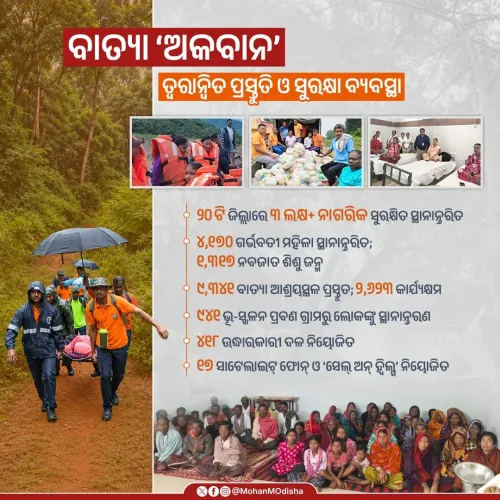
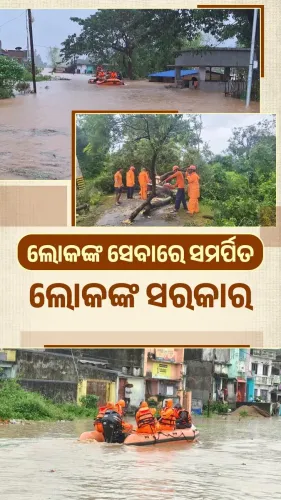
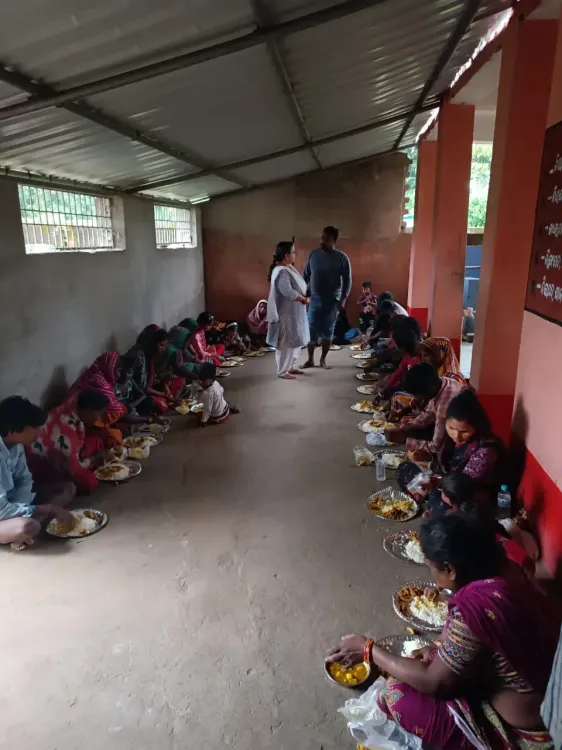
Odisha Chief Minister Mohan Charan Majhi announced on November 20 that people evacuated to cyclone shelters during Cyclone Akvan are being provided cooked food, drinking water, and essential supplies, activating the state's post-1999 disaster preparedness network.
Key Takeaways
Cyclone Akvan is active near Odisha's coast as of November 20, 2026 .
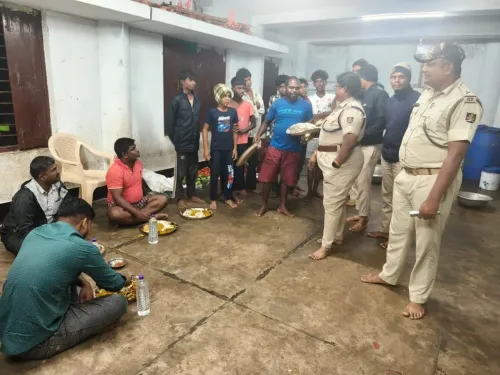
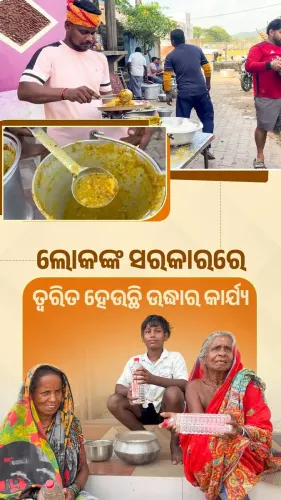
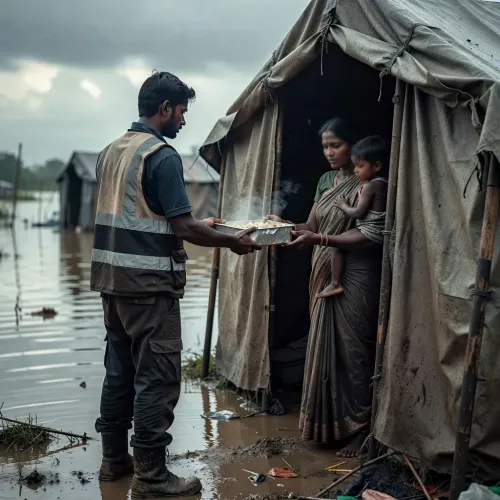
CM Mohan Charan Majhi confirmed that evacuees in designated shelters are receiving cooked food, drinking water and essential supplies .
Odisha built its cyclone shelter network following the 1999 Super Cyclone that killed an estimated 10,000 people .
The state's 480-kilometre Bay of Bengal coastline makes it one of India's most cyclone-vulnerable regions.
District-level damage reports and updates on the cyclone's landfall timing are awaited.
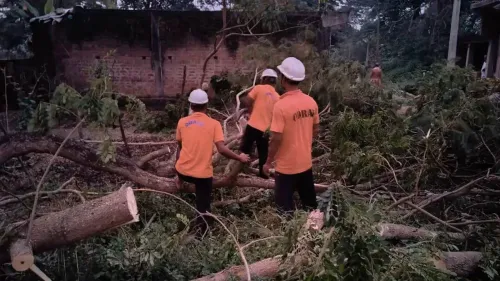
As Cyclone Akvan bears down on Odisha's coast, Chief Minister Mohan Charan Majhi confirmed on Friday, November 20 that evacuated residents in designated shelters are being supplied with cooked meals, drinking water, and other essential provisions — a signal that the state's disaster machinery is in active mode.
What people in shelters are receiving right now
Majhi posted in both Odia and English, stating: 'Ensuring the safety and comfort of people during Cyclone AKVAN, cooked food, drinking water and other essential supplies are being provided at designated shelters.' The emphasis on rhandha khad'ya — hot cooked food — rather than dry rations signals an intent to maintain basic dignity and normalcy for displaced families riding out the storm in crowded public facilities.
Odisha's shelter network: built after the 1999 catastrophe
The infrastructure behind this response has deep roots. After the 1999 Super Cyclone killed an estimated 10,000 people in Odisha, the state methodically built a network of multipurpose cyclone shelters along its long Bay of Bengal coastline and institutionalised pre-emptive evacuation protocols. Those investments — sustained across successive governments — are what allow the administration to shift quickly from alert to shelter-stocking the moment a system intensifies.
Odisha's coastline, stretching over 480 kilometres, is one of the most cyclone-exposed in South Asia. The state routinely faces Bay of Bengal systems between October and December, and its disaster management playbook — covering food logistics, water supply and medical coverage at shelters — is now widely regarded as a template for coastal preparedness across India.
The CM's real-time signal to field teams and families
Public posts by a sitting chief minister during an active cyclone serve a dual purpose: they reassure affected families and function as a live accountability signal to district collectors and relief teams on the ground. By naming food, drinking water, and 'other essential supplies' specifically, Majhi's message implicitly sets a standard that field officials are now publicly on the hook to meet.
Official reports on Cyclone Akvan's exact track, landfall timing, and district-level damage assessments are expected as the storm progresses.
Point of View
Majhi both reassures citizens and applies downward pressure on district machinery. The broader arc here is continuity: successive Odisha governments, regardless of party, have treated cyclone preparedness as a non-negotiable state priority, and Majhi's BJP administration is signalling it intends to maintain that reputation.
NationPress
20 Nov 2026
Frequently Asked Questions
What is Cyclone Akvan and where is it hitting?
Cyclone Akvan is an active Bay of Bengal cyclone approaching Odisha's coast, prompting evacuations and shelter activations as of November 20, 2026. Detailed track and landfall data are pending official meteorological updates.
What relief is being provided at Odisha cyclone shelters during Akvan?
Chief Minister Mohan Charan Majhi confirmed that cooked food, drinking water, and other essential supplies are being provided to people evacuated to designated cyclone shelters.
How many cyclone shelters does Odisha have?
Odisha developed a large network of multipurpose cyclone shelters along its roughly 480-kilometre Bay of Bengal coastline following the devastating 1999 Super Cyclone, though the precise current count is subject to official government records.
What happened in the 1999 Odisha Super Cyclone?
The 1999 Super Cyclone killed an estimated 10,000 people in Odisha and triggered a major overhaul of the state's disaster management infrastructure, including the construction of coastal cyclone shelters and institutionalised evacuation protocols.
Who is Mohan Charan Majhi?
Mohan Charan Majhi is a BJP leader who became Chief Minister of Odisha in June 2024. He has been actively communicating the state government's cyclone relief measures during Cyclone Akvan.