Kerala MLAs get 40% pay hike; BJP's Rajeev Chandrasekhar rejects raise
Synopsis
Kerala's MLAs just voted themselves a 40% pay raise — unanimously, across party lines — while the state has long cited fiscal stress to defer ASHA worker dues and PSC appointments. BJP's Rajeev Chandrasekhar is the lone voice of dissent, pledging to return his entire salary to the poor. The optics could not be sharper.
Key Takeaways
The Kerala Assembly unanimously passed a Bill on 29 October 2026 hiking MLA monthly remuneration from ₹70,000 to ₹98,000 — a 40% rise.
Ministers' monthly salary increases from ₹1 lakh to ₹1.33 lakh ; former MLAs' minimum monthly pension rises from ₹8,000 to ₹10,000 .
This is the first salary revision since 2018 ; a 2022 revision was deferred citing state financial difficulties.
BJP Nemom MLA Rajeev Chandrasekhar rejected the hike, pledging all his remuneration to the poor in Nemom .
Chandrasekhar cited the plight of ASHA workers and PSC aspirants still awaiting dues as reason to oppose the revision.
The Assembly was adjourned sine die immediately after the Bill was passed.
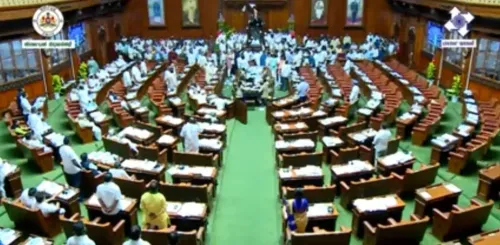
The Kerala Legislative Assembly on Thursday, 29 October 2026, unanimously passed a Bill revising the salaries and allowances of ministers and Members of the Legislative Assembly (MLAs), marking the first such revision since 2018. In a notable dissent, Bharatiya Janata Party (BJP) Nemom MLA Rajeev Chandrasekhar rejected the hike outright and pledged to direct his entire salary and allowances toward the poor in his constituency.
What the Pay Revision Entails
Under the revised Bill, the total monthly remuneration of MLAs will rise from ₹70,000 to ₹98,000 — an increase of approximately 40%. Ministers will see their monthly salary climb from ₹1 lakh to ₹1.33 lakh. The minimum monthly pension for former MLAs has also been raised from ₹8,000 to ₹10,000.
Among the specific allowance revisions, the constituency allowance has been increased from ₹25,000 to ₹35,000 per month, and the travel allowance from ₹20,000 to ₹30,000 per month. The annual air travel allowance has been raised from ₹50,000 to ₹75,000. Former MLAs will additionally receive enhanced monthly pension benefits upon attaining the ages of 70 and 80 under the revised provisions.
Why the Revision Was Deferred — and Then Passed Unanimously
The salary and allowance revision is the first since 2018. The government had deferred a proposed revision in 2022, citing the state's precarious financial condition at the time. Despite that deferral, members from both the ruling Left Democratic Front (LDF) and the Opposition pressed steadily for an upward revision, and the Bill was ultimately passed without any dissent in the House.
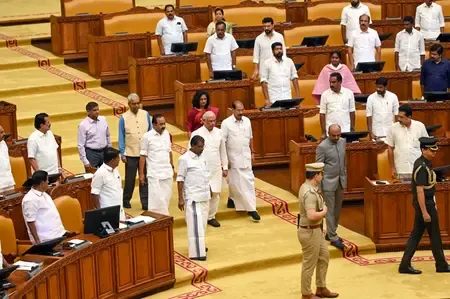
Speaker Thiruvanchoor Radhakrishnan noted that several members had shared their difficulties in meeting rising day-to-day expenses. He congratulated the House on passing the Bill without disagreement and requested that each MLA be provided with an additional personal assistant. Chief Minister V.D. Satheesan responded that the proposal could be considered favourably. The Assembly was adjourned sine die shortly after the Bill was passed.
Chandrasekhar's Stand Against the Hike
BJP Nemom MLA Rajeev Chandrasekhar, in a statement to the press, said he would not accept the increased salary and allowances, citing the state's poor financial condition. He said he would channel all his MLA remuneration toward the benefit of poor people in Nemom.
Chandrasekhar questioned how the government could justify raising remuneration for ministers and legislators when ASHA workers and Public Service Commission (PSC) job aspirants were yet to receive their due. He also alleged that there was no meaningful policy difference between the Pinarayi Vijayan-led government and the current administration under Chief Minister Satheesan on issues that affect ordinary citizens.
Broader Context and Political Implications
The unanimous passage of the Bill — with ruling and Opposition members voting together — underscores a recurring pattern in Indian state legislatures where cross-party consensus on legislator pay often emerges more readily than on public welfare measures. This is the second time since 2018 that Kerala's elected representatives have revised their own pay; critics, including Chandrasekhar, argue the timing raises questions about the state's stated fiscal constraints. Kerala has frequently cited revenue shortfalls in recent years to defer welfare payments and infrastructure commitments, making the cross-party unanimity on this Bill politically significant.
How the government responds to renewed pressure from ASHA workers and PSC aspirants in the wake of this revision will be closely watched in the weeks ahead.
Point of View
PSC aspirants, and local bodies that the coffers are bare, every MLA and minister — ruling and Opposition alike — found common ground on raising their own pay. Chandrasekhar's gesture is symbolically powerful but politically convenient for a BJP looking for differentiation in a state it barely holds. The harder question is systemic: Kerala's legislature has now twice in eight years bypassed the fiscal austerity it preaches to the public sector when its own remuneration is at stake. Without a transparent linkage between legislator pay revisions and measurable accountability benchmarks, the unanimous passage of such Bills will continue to erode public trust in cross-party consensus.
NationPress
29 Oct 2026
Frequently Asked Questions
By how much have Kerala MLA salaries been increased in 2026?
Kerala MLA monthly remuneration has been raised from ₹70,000 to ₹98,000 — an increase of approximately 40%. The revision, passed unanimously by the Assembly on 29 October 2026, is the first since 2018.
Why did BJP's Rajeev Chandrasekhar reject the Kerala MLA pay hike?
Chandrasekhar cited the state's poor financial condition and the unresolved dues of ASHA workers and PSC job aspirants as reasons to refuse the revised salary. He pledged to use his entire MLA remuneration for the welfare of poor people in his Nemom constituency.
When was the last time Kerala MLA salaries were revised before this?
The previous salary revision was in 2018. A further revision proposed in 2022 was deferred by the government citing fiscal difficulties in the state.
What are the specific allowance changes under the new Kerala MLA pay bill?
The constituency allowance rises from ₹25,000 to ₹35,000 per month, travel allowance from ₹20,000 to ₹30,000 per month, and the annual air travel allowance from ₹50,000 to ₹75,000. Former MLAs will also receive additional monthly pension on reaching the ages of 70 and 80.
Who raised the issue of ASHA workers in the context of the Kerala pay hike?
BJP Nemom MLA Rajeev Chandrasekhar raised the issue, questioning why legislators were getting a pay hike while ASHA workers and Public Service Commission aspirants were yet to receive what they deserved from the government.