Kerala Delays Class 10 and 12 Exams in Gulf Regions Due to Unrest
Synopsis
In response to escalating conflicts in West Asia, the Kerala government postpones board exams for Indian expatriate students in the Gulf, prioritizing their safety and academic future amid flight disruptions and local unrest.
Key Takeaways
Exams postponed due to geopolitical unrest.
SSLC and Higher Secondary exams affected.
Students urged to apply if unable to attend.
Revised exam dates to be announced soon.
Government prioritizes student safety and academic continuity.
Thiruvananthapuram, March 2 (NationPress) In light of rising tensions and armed conflicts across parts of West Asia, the Kerala government has made the decision to postpone specific board examinations that were set to take place in Middle East centres for students within the Indian expatriate community.
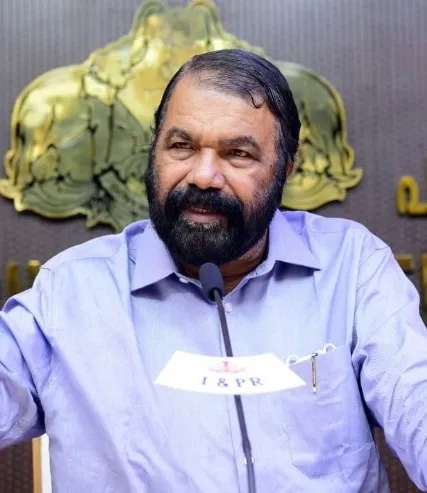
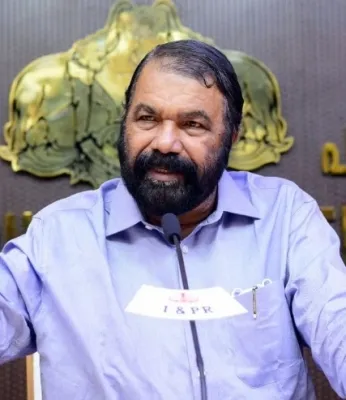
On Monday, State General Education Minister V. Sivankutty conveyed this decision, highlighting the deteriorating security conditions in the region.
He emphasized that organizing examinations in the Gulf has become increasingly challenging due to the ongoing war-like circumstances in the Middle East.
As a result, the SSLC examination originally scheduled for March 5 in Gulf centres has been delayed.
Furthermore, the Higher Secondary exams planned for March 5, 6, and 7 have also been postponed.
The Minister indicated that revised dates for these examinations will be communicated at a later date.
The government has recognized the growing anxiety among students, both in the Gulf region and in Kerala, who are concerned about their ability to reach examination venues due to flight disruptions and local restrictions stemming from the unrest.
“We understand that some students are anxious about potentially missing their examinations due to circumstances beyond their control,” the Minister remarked.
He assured students that the General Education Department fully supports them during this uncertain time.
Students unable to attend the examinations are encouraged to submit their applications promptly through their respective headmasters or principals to the Director of General Education.
The Minister clarified that each application will be evaluated on its own merits, and the department aims to make decisions that are favorable to affected students after careful consideration.
This initiative seeks to guarantee that no student’s academic career is jeopardized by extraordinary geopolitical events.
Kerala has a substantial expatriate community in the Gulf, with thousands of students taking state board examinations from these centres annually.
Currently, there are seven centres catering to 633 Class 10 students in the Middle East, along with several centres for Class 12 students.
The evolving situation necessitated prompt administrative action to safeguard student interests.
Education authorities are keeping a close watch on developments and will provide further instructions as necessary.
Point of View
The decision to postpone exams reflects a necessary response to the challenging geopolitical situation. It prioritizes student safety while ensuring that their academic futures are not compromised due to circumstances beyond their control.
NationPress
20 Sept 2026
Frequently Asked Questions
Why were the exams postponed?
The exams were postponed due to escalating tensions and armed conflicts in parts of West Asia, which have made it difficult to conduct safe examinations.
What exams are affected?
The SSLC and Higher Secondary examinations originally scheduled for March 5, 6, and 7 are postponed.
When will new exam dates be announced?
Revised dates for the postponed examinations will be communicated at a later time.
What should students do if they can't attend the exams?
Students unable to attend are advised to submit applications through their headmasters or principals to the Director of General Education.
How many students are affected by this decision?
Currently, there are 633 Class 10 students and several Class 12 students in the Middle East who are affected.