Bengaluru mobility, cyber safety top Priyank Kharge's urban growth agenda
Synopsis
With 1.5 crore residents and more than 1.25 crore vehicles, Bengaluru's urban stress is no longer a background concern — Karnataka Minister Priyank Kharge has put mobility, cyber safety and sustainable development at the centre of the city's next growth chapter, signalling a shift toward systemic, data-driven urban policy.
Key Takeaways
Priyank Kharge , Karnataka's Minister for Home, IT, Biotechnology and E-Governance, addressed the Integrated Workspaces Forum 2026 on 19 June 2026 .
He identified urban mobility , cyber safety and sustainable urban development as Bengaluru's top three growth priorities.
Bengaluru has nearly 1.5 crore residents and more than 1.25 crore vehicles , underscoring the scale of the mobility challenge.
Kharge called for integrated, technology-enabled and data-driven mobility solutions to reduce congestion and improve connectivity.
The minister cited Elevate Next , data centre ecosystems, deep-tech entrepreneurship and circular economy initiatives as pillars of Karnataka's innovation strategy.
The forum was organised by CCiRE FM & CRE in partnership with Bhartiya Urban , bringing together policymakers, urban planners and industry leaders.
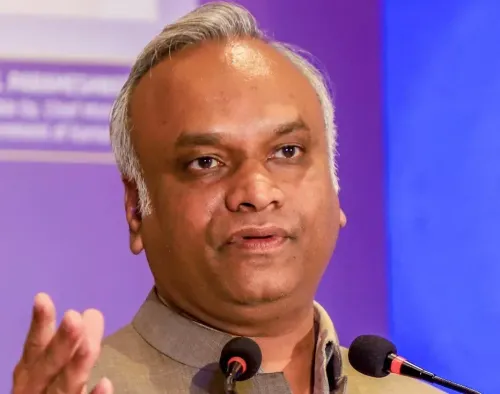
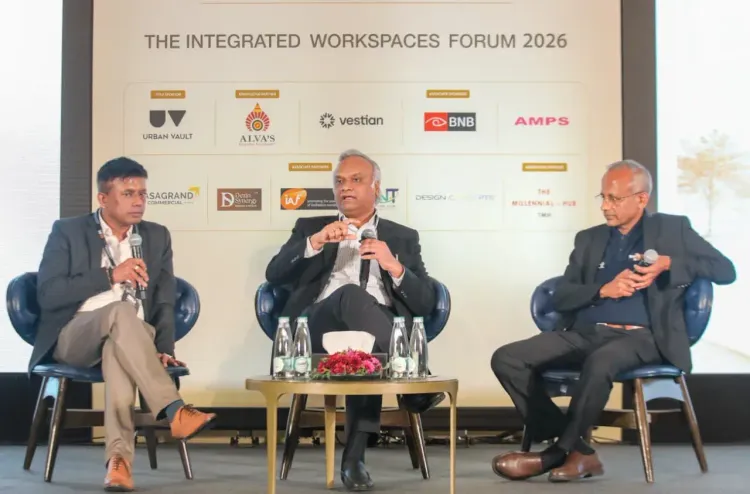
Karnataka Minister for Home, Information Technology, Biotechnology and E-Governance Priyank Kharge on Friday, 19 June named urban mobility, cyber safety and sustainable urban development as the three defining priorities for Bengaluru's next phase of growth. Speaking at the Integrated Workspaces Forum 2026, Kharge stressed the urgency of long-term, technology-driven solutions to consolidate the city's standing as a global hub for technology, innovation and investment.
The Scale of the Challenge
Kharge placed Bengaluru's mobility crisis in stark numerical relief: the city now hosts nearly 1.5 crore people and more than 1.25 crore vehicles, a ratio that strains existing infrastructure at every peak hour. He called for integrated, data-driven and technology-enabled mobility systems to reduce congestion, improve connectivity and support the city's continued economic expansion.
This comes amid years of criticism over Bengaluru's traffic gridlock, which urban planners and industry bodies have repeatedly flagged as a drag on productivity and talent retention. The minister's remarks signal a push toward systemic intervention rather than incremental fixes.
Cybercrime as a Growing Urban Risk
Kharge flagged cybercrime as an escalating concern, particularly given Bengaluru's role as one of the world's leading technology and innovation ecosystems. He called for stronger cyber resilience, broader public awareness and coordinated action to address emerging digital threats. As the city deepens its digital economy footprint, the minister argued, the attack surface for cybercriminals expands proportionately — making proactive defence a civic as much as a law-enforcement priority.
Sustainable and Inclusive Development
On long-term urban planning, Kharge underlined that Bengaluru's growth must be sustainable, inclusive and future-ready. He pointed to resilient infrastructure, deliberate planning and livability-focused solutions as non-negotiable alongside continued global investment and talent attraction.
The minister referenced several Karnataka-led initiatives as building blocks of this vision: Elevate Next, sustainable digital infrastructure, evolving data centre ecosystems, circular economy opportunities, startup support, deep-tech entrepreneurship and global innovation partnerships. He framed these not as standalone programmes but as interlocking components of a state-wide innovation-led growth strategy.
Forum Brings Industry and Policy Together
The Integrated Workspaces Forum 2026 was organised by the Corporate Council for Research and Education in Real Estate Facilities Management and Corporate Real Estate (CCiRE FM & CRE) in partnership with Bhartiya Urban. It brought together commercial real estate developers, workplace strategists, technology innovators, urban planners, sustainability experts and policymakers to examine how integrated workspaces can shape future cities and economies.
Kharge participated in a fireside chat and an interactive session with industry leaders, where the conversation extended to how commercial real estate, workplace strategy and sustainability can collectively drive innovation, productivity and talent attraction. As Bengaluru eyes its next decade of growth, the alignment — or misalignment — between policy intent and infrastructure delivery will be the critical variable to watch.
Point of View
Cyber safety, sustainability — is the right diagnosis, but Bengaluru has heard versions of it before without the infrastructure to match. The city's vehicle-to-resident ratio is already near-critical, and data-driven solutions require the very digital governance capacity that the state is still building. The real test is whether the Elevate Next and data centre initiatives translate into measurable congestion relief and a lower cybercrime incidence rate — or remain aspirational talking points. Forum consensus is easy; execution accountability is not.
NationPress
19 Sept 2026
Frequently Asked Questions
What did Karnataka Minister Priyank Kharge say about Bengaluru's growth priorities?
Priyank Kharge identified urban mobility, cyber safety and sustainable urban development as Bengaluru's top three priorities at the Integrated Workspaces Forum 2026 on 19 June. He called for long-term, technology-driven solutions to strengthen the city's position as a global hub for technology and investment.
Why is urban mobility a critical issue for Bengaluru?
Bengaluru is home to nearly 1.5 crore people and more than 1.25 crore vehicles, creating severe congestion that hampers productivity and livability. Kharge stressed the need for integrated, data-driven and technology-enabled mobility systems to address this challenge.
What cybersecurity concerns did Kharge raise for Bengaluru?
Kharge flagged cybercrime as a growing risk as Bengaluru deepens its digital economy footprint, arguing that a larger digital presence expands the attack surface for cybercriminals. He called for greater public cyber awareness, stronger resilience and coordinated inter-agency efforts to tackle emerging digital threats.
What Karnataka government initiatives did Kharge highlight at the forum?
Kharge referenced Elevate Next, sustainable digital infrastructure, data centre ecosystem development, circular economy opportunities, startup support and deep-tech entrepreneurship as key components of Karnataka's innovation-led growth strategy.
What was the Integrated Workspaces Forum 2026?
It was a forum organised by CCiRE FM & CRE in partnership with Bhartiya Urban, bringing together policymakers, commercial real estate developers, urban planners, technology innovators and sustainability experts to discuss the future of work, infrastructure and urban development in India.