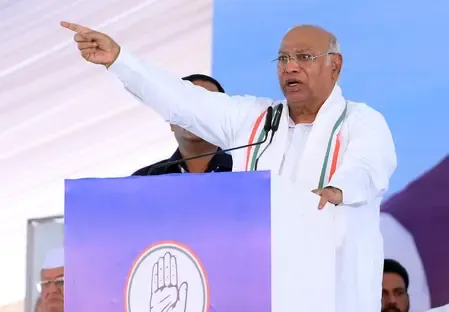
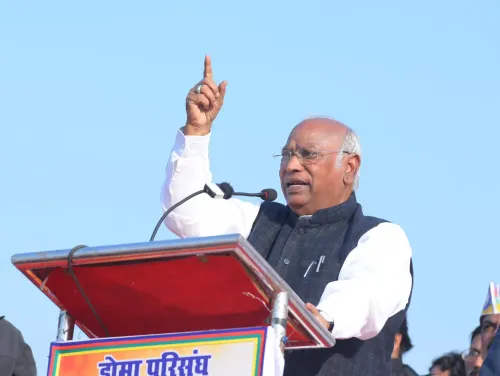
Kharge, Rahul Gandhi urge Modi to fix caste census data format
Synopsis
Congress's top two leaders have flagged a structural flaw in the caste census before it begins: the open-ended format could fracture a single caste into thousands of entries, making OBC counts meaningless. Their fix — a drop-down list modelled on the SC/ST method — is simple, but getting the government to scrap its current questionnaire is the real battle.
Key Takeaways
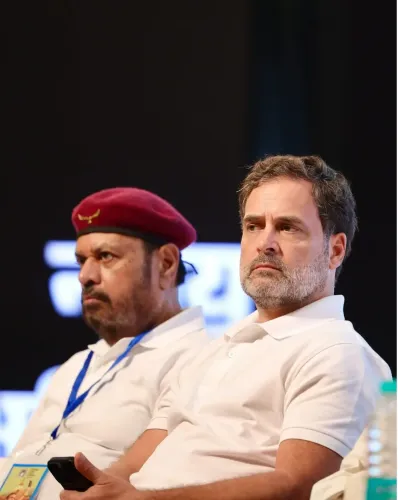
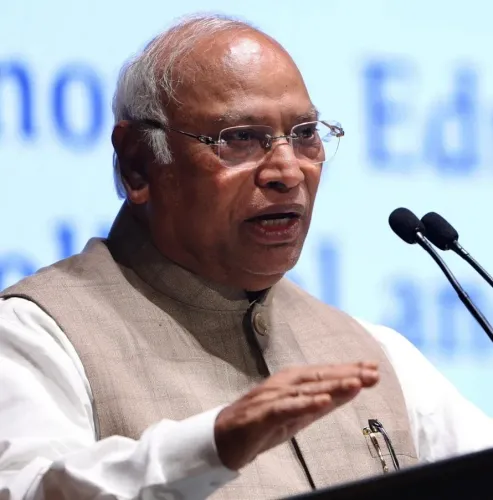
Congress President Mallikarjun Kharge and LoP Rahul Gandhi wrote jointly to PM Modi on 25 August over the caste census format.
They warned the 'open-ended' format could split one caste into thousands of distinct entries , rendering the dataset useless.
The term ' Backward Class ' is reportedly absent from the current census questionnaire, risking an undercount of the OBC population.
Congress proposed a structured drop-down list of castes , modelled on the enumeration method used for SCs and STs .
The leaders cited successful precedents in Telangana and Bihar caste surveys and attached those caste lists to the letter.
Congress has demanded the government scrap the current questionnaire and redraft it after consulting political parties, experts, and the public .
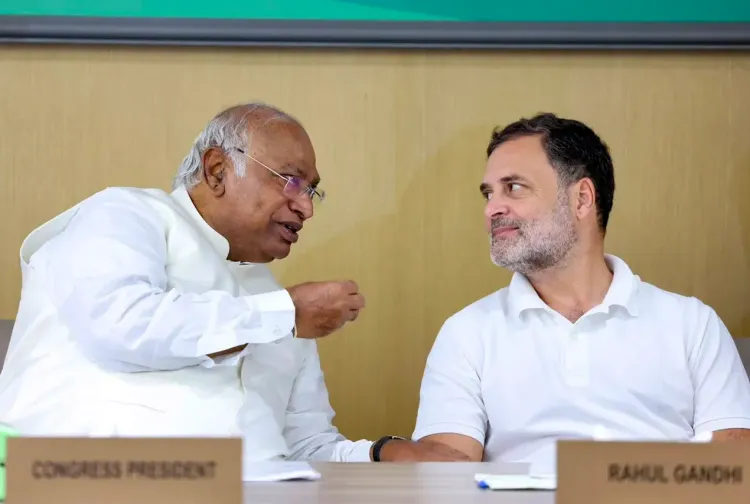
Congress President Mallikarjun Kharge and Leader of Opposition Rahul Gandhi have jointly written to Prime Minister Narendra Modi, warning that the government's proposed 'open-ended' format for collecting caste data in the upcoming census risks producing inaccurate and fragmented records. The letter, sent on 25 August, calls for replacing the current approach with a structured 'drop-down list of castes' to ensure data integrity.
The Core Concern
The Congress leaders argued that under the open-ended method, enumerators record whatever caste name an individual provides — verbatim. Given that the same caste is often known by different names, sub-castes, and linguistic variations across India's regions, this approach could split a single community into thousands of distinct entries.
'This would result in the emergence of hundreds of thousands of caste names, rendering the entire dataset obtained from the caste census useless,' the letter stated. The leaders further cautioned that without an accurate population count, 'any assessment of its status will inevitably be flawed.'
Impact on Marginalised Communities
Kharge and Gandhi warned that data fragmentation would directly harm Other Backward Classes (OBCs), Extremely Backward Classes, and other marginalised groups. Critically, they noted that the very term 'Backward Class' is absent from the current census questionnaire, meaning the actual size of the OBC population may not be captured at all.
'This will disadvantage backward, extremely backward, and other marginalised communities, and will also impact decisions regarding education, employment, welfare schemes, and social justice,' they wrote. Social justice policies, they argued, 'cannot be effectively formulated without accurate data.'
What the Congress Proposes
The letter recommends adopting the same enumeration method used for Scheduled Castes (SCs) and Scheduled Tribes (STs) — a pre-defined, standardised drop-down list of castes. The Congress leaders said such a list can be compiled from existing government records, including those for Socially and Educationally Backward Classes, and data from the Anthropological Survey of India.
They cited the caste surveys conducted in Telangana and Bihar as successful precedents for this approach, and attached caste lists from both surveys to their letter for reference.
Congress Calls for Fresh Questionnaire
'We do not accept the caste census being conducted in this manner. The government should scrap the current questionnaire and draft a new one after consulting political parties, experts, and the public,' Kharge and Gandhi stated in the letter.
This comes as the caste census — long a politically charged demand — has finally been included in the upcoming national census exercise. The Congress and several opposition parties have consistently pushed for comprehensive caste enumeration to inform reservation and welfare policy. The party's intervention now shifts the debate from whether to count castes, to how accurately that count can be conducted.
What Happens Next
The government is yet to respond publicly to the letter. With census preparations under way, the window for revising the questionnaire format is narrowing. Opposition pressure, combined with the methodological concerns raised by state-level caste surveys, is likely to keep this dispute at the centre of the political conversation in the weeks ahead.
Point of View
As Bihar and Telangana's own surveys demonstrated when they opted for structured lists. But the political subtext is equally clear: by foregrounding the OBC undercount risk, Congress is positioning itself as the guardian of backward-class interests ahead of a census that could redraw the reservation map. The government's silence so far is telling — any revision to the questionnaire would be read as a concession to the opposition, while inaction risks owning a flawed dataset. The real accountability question is why the format was finalised without wider consultation in the first place.
NationPress
9 Oct 2026
Frequently Asked Questions
What is the concern raised by Kharge and Rahul Gandhi about the caste census?
They warned that the government's 'open-ended' format for recording caste data will capture whatever name an individual provides, causing the same caste to appear under multiple different entries. This fragmentation, they argued, could render the entire caste dataset inaccurate and unusable for policy purposes.
What alternative did Congress propose for caste data collection?
Congress proposed a pre-defined 'drop-down list of castes' — the same method used for enumerating Scheduled Castes and Scheduled Tribes. They said such a list can be built from existing government records and Anthropological Survey of India data, and cited the Telangana and Bihar caste surveys as working models.
Why is the OBC population count specifically at risk under the current format?
According to the letter, the term 'Backward Class' is not included in the current census questionnaire at all. Combined with the open-ended format, this means OBC communities could be undercounted or fragmented across thousands of sub-entries, directly affecting reservation and welfare policy decisions.
What did Kharge and Gandhi demand from the government?
They called on Prime Minister Modi's government to scrap the existing census questionnaire entirely and draft a new one after consulting political parties, domain experts, and the public — ensuring the final caste count is accurate, meaningful, and actionable.
Which states' caste surveys did Congress cite as a model?
Congress cited the caste surveys conducted in Telangana and Bihar, both of which used structured caste lists rather than open-ended responses. Kharge and Gandhi attached caste lists from both surveys to their letter to the Prime Minister.