Kharif sowing crosses 119.90 lakh hectares, up from 117.95 lakh hectares last year
Synopsis
India's kharif sowing is off to a stronger start than last year, with total acreage already at 119.90 lakh hectares — and rice alone adding 4.27 lakh hectares year-on-year. Backed by a fresh MSP hike for 14 crops and a deliberate push toward millets and pulses, the early numbers suggest farmers are actively responding to government price signals ahead of the full monsoon.
Key Takeaways
Total kharif sowing area stands at 119.90 lakh hectares as of 19 June , up from 117.95 lakh hectares in the same period last year.
Rice acreage has jumped to 12.36 lakh hectares , an increase of 4.27 lakh hectares year-on-year.
Pulses (urad, moong) rose to 7.21 lakh hectares ; millets (jowar, bajra, ragi) climbed to 12.43 lakh hectares .
Sugarcane coverage edged up to 57.31 lakh hectares from 56.64 lakh hectares a year ago.
The CCEA has approved an MSP hike for 14 kharif crops for marketing season 2026-27 , with moong farmers set to earn a 61% margin over cost.
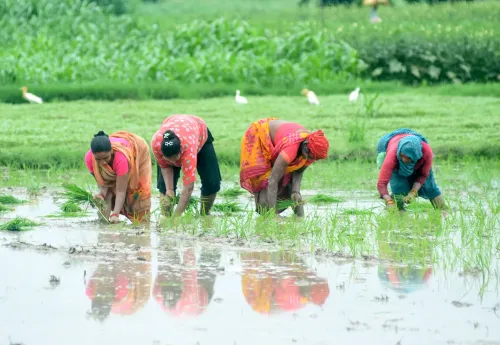
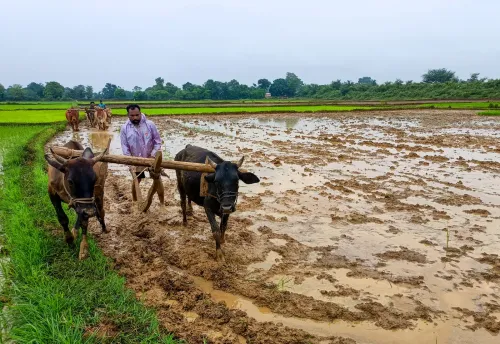
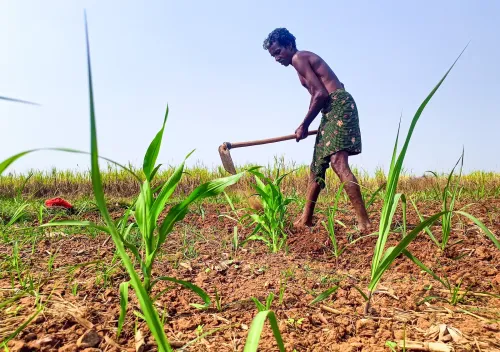
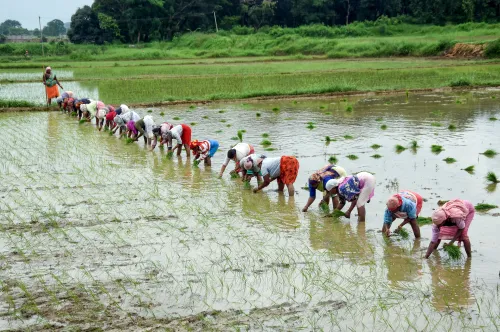
India's kharif sowing area has crossed 119.90 lakh hectares as of 19 June this year, surpassing the 117.95 lakh hectares recorded during the same period last year, according to data released by the Ministry of Agriculture and Farmers Welfare on Monday, 22 June. The early-season numbers signal a broad-based uptick across major crop categories, from rice and pulses to coarse cereals and sugarcane.
Crop-wise Sowing Breakdown
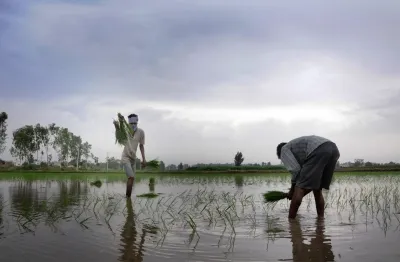
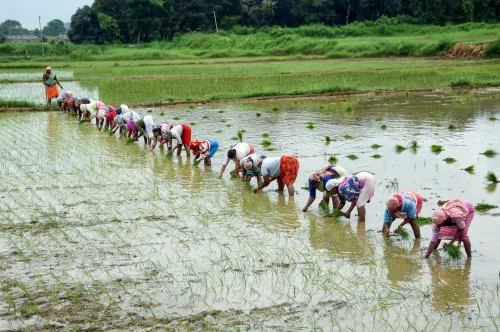
The area under rice has climbed to 12.36 lakh hectares this season, a significant jump of 4.27 lakh hectares over the 8.09 lakh hectares reported in the corresponding period last year. Pulses — including urad and moong — have risen to 7.21 lakh hectares from 6.39 lakh hectares a year ago.
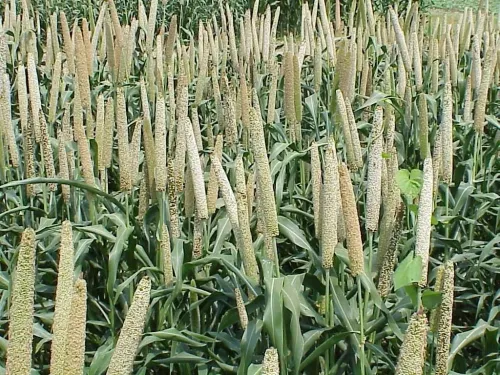
Coarse cereals and millets — encompassing jowar, bajra, and ragi — have expanded to 12.43 lakh hectares, up from 9.82 lakh hectares in the same period of the previous year. Sugarcane coverage has also edged higher, reaching 57.31 lakh hectares against 56.64 lakh hectares last year.
MSP Hike for Kharif Crops 2026-27
This comes amid a recent decision by the Cabinet Committee on Economic Affairs (CCEA), chaired by Prime Minister Narendra Modi, to raise the Minimum Support Prices (MSP) for 14 kharif crops for the 2026-27 marketing season. The revision aligns with the Union Budget 2018-19 commitment to fix MSP at no less than 1.5 times the all-India weighted average cost of production.
According to the government's statement, the expected margin over cost of production is highest for moong at 61%, followed by bajra and maize at 56% each, and tur/arhar at 54%. For all remaining crops covered under the MSP revision, the margin is estimated at 50%.
Policy Push Behind the Numbers
The sowing gains in pulses and millets are not incidental. In recent years, the government has actively promoted cultivation of pulses, oilseeds, and nutri-cereals — collectively branded as 'Shree Anna' — by offering comparatively higher MSPs for these crops. The strategy is aimed at diversifying India's agricultural output beyond cereals and improving nutritional security.
Notably, the jump in millet acreage tracks a sustained policy emphasis following India's push to position millets on the global stage. The early kharif data suggests farmers are responding to these price signals.
What to Watch Next
The kharif season is still in its early stages, and final sown area figures will be available after the monsoon progresses. Rainfall distribution in key agricultural states will be a critical variable determining whether these early gains translate into strong harvests. Industry observers and policymakers will closely track subsequent fortnightly updates from the Ministry of Agriculture and Farmers Welfare for a clearer picture of the season's trajectory.
Point of View
But the more telling signal is the crop mix. Rice — already a water-intensive staple — is leading the gains, even as policy rhetoric pushes millets and pulses. The millet jump is real, but rice's 4.27-lakh-hectare surge in a single season deserves scrutiny in the context of groundwater stress in key sowing states. The MSP hike for 14 crops is directionally right, but the 1.5x cost-of-production formula has been critiqued for using a narrower cost definition (A2+FL) rather than comprehensive C2 costs. Until that methodological gap is closed, headline margins like '61% for moong' may overstate actual farmer gains.
NationPress
21 Sept 2026
Frequently Asked Questions
What is the total kharif sowing area in India so far this season?
As of 19 June, the total kharif sowing area in India stands at 119.90 lakh hectares, up from 117.95 lakh hectares recorded in the same period last year, according to data from the Ministry of Agriculture and Farmers Welfare.
Which kharif crop has seen the biggest increase in sown area?
Rice has recorded the sharpest rise, with sown area reaching 12.36 lakh hectares — an increase of 4.27 lakh hectares compared to 8.09 lakh hectares in the same period last year.
What MSP changes have been approved for kharif crops in 2026-27?
The CCEA, chaired by Prime Minister Narendra Modi, approved MSP hikes for 14 kharif crops for the 2026-27 marketing season. Moong farmers are set to earn the highest margin at 61% over cost of production, followed by bajra and maize at 56% each.
Why is the government promoting millets and pulses over cereals?
The government has been offering higher MSPs for pulses, oilseeds, and millets (branded 'Shree Anna') to diversify agricultural output beyond rice and wheat, improve nutritional security, and reduce pressure on water-intensive crops.
When will final kharif sowing figures be available?
The current data covers sowing as of 19 June and represents early-season figures. Final acreage numbers will be published progressively as the monsoon advances, with the Ministry of Agriculture and Farmers Welfare releasing fortnightly updates through the season.